Welcome to hykeychain.com
Soft, Fluffy, and Quietly Beautiful — Why Chenille Patches Carry the Warmest Texture in Everyday Life

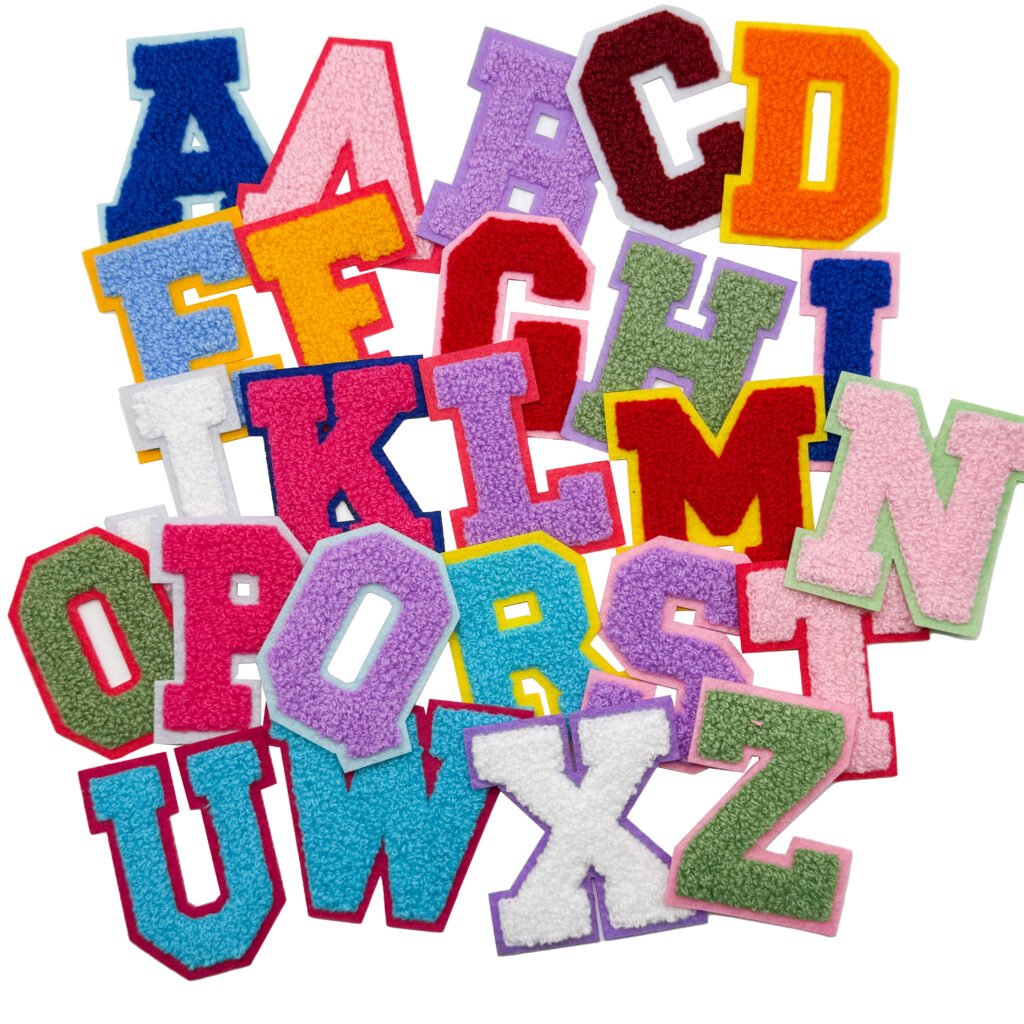
I’ve come to realize, slowly, that the things you keep wanting to wear and the little details that make a home feel lived-in are rarely the ones that grab your attention first. More often, it’s the opposite — a piece of clothing you reach for again and again because it simply feels good against your skin, or a tiny textured detail tucked into a corner that makes everything around it feel a little more grounded. Among all the decorative crafts out there, chenille embroidery has become that quiet anchor for me. It doesn’t sparkle. It doesn’t shine. It never fights for your eye. But that plush, pillowy texture — the moment you see it, your hand wants to reach out and touch it.
I used to struggle to tell the difference between chenille embroidery and regular flat embroidery. Thread is thread, right? How different could it really be? Then I bought a hoodie with a small chenille letter patch across the chest. The second my fingers brushed over it, I understood. Standard embroidery sits flat and tight against the fabric. Chenille, on the other hand, rises up in tiny, raised loops — like miniature terry cloth loops, soft and slightly springy, with a gentle thickness and give. Pressed onto a garment, it doesn’t stiffen into an awkward bump. Instead, it melds into the hoodie’s own texture so naturally it almost feels like it grew there, which is a strange and wonderful sensation all its own.
Stack a chenille patch next to sequins or a screen-printed transfer, and the difference in temperament is almost striking. No reflective glare, no hard plastic edges, nothing to scrape against your skin when you move. I have a cotton t-shirt I wear directly against my skin, with a tiny chenille flower stitched just below the collar. I can wear it all day and feel nothing around my neck — no scratch, no rub, no awareness that anything’s even there. That gentle, unobtrusive softness is probably the most reassuring thing about it, and the reason I keep coming back to chenille over almost any other embellishment.
The beauty of chenille isn’t the kind that announces itself from across the room. It lives in the way light and shadow play across the surface. Because the loops are raised, any pattern — a letter, a shape, a simple symbol — casts its own subtle shadows as the light shifts, giving it a rounded, dimensional quality that flat embroidery can’t quite replicate. I own a pair of dark grey sweatpants with a small line of chenille lettering running down one leg. From a distance, you’d barely notice it. But lean in close, and those letters seem to hover just above the fabric, plush and tactile, with a crisp, defined silhouette. Nothing loud. Just enough to leave an impression.
Before I bought my first chenille piece, I’ll admit I worried. Would those raised loops flatten after a few washes? Would they pill or fray? After months of regular wear, I can say they hold up far better than I expected. High-density lock stitching keeps each loop firmly anchored in place. I’ve run mine through the washing machine and the dryer multiple times now, and the texture is still as fluffy as day one — no matting, no thread pulls, no collapse. Compared to sequin patches that shed individual pieces or heat-transfer prints that crack after a handful of cycles, chenille embroidery is noticeably more durable. It’s perfect for anyone who doesn’t want to fuss over garment care.
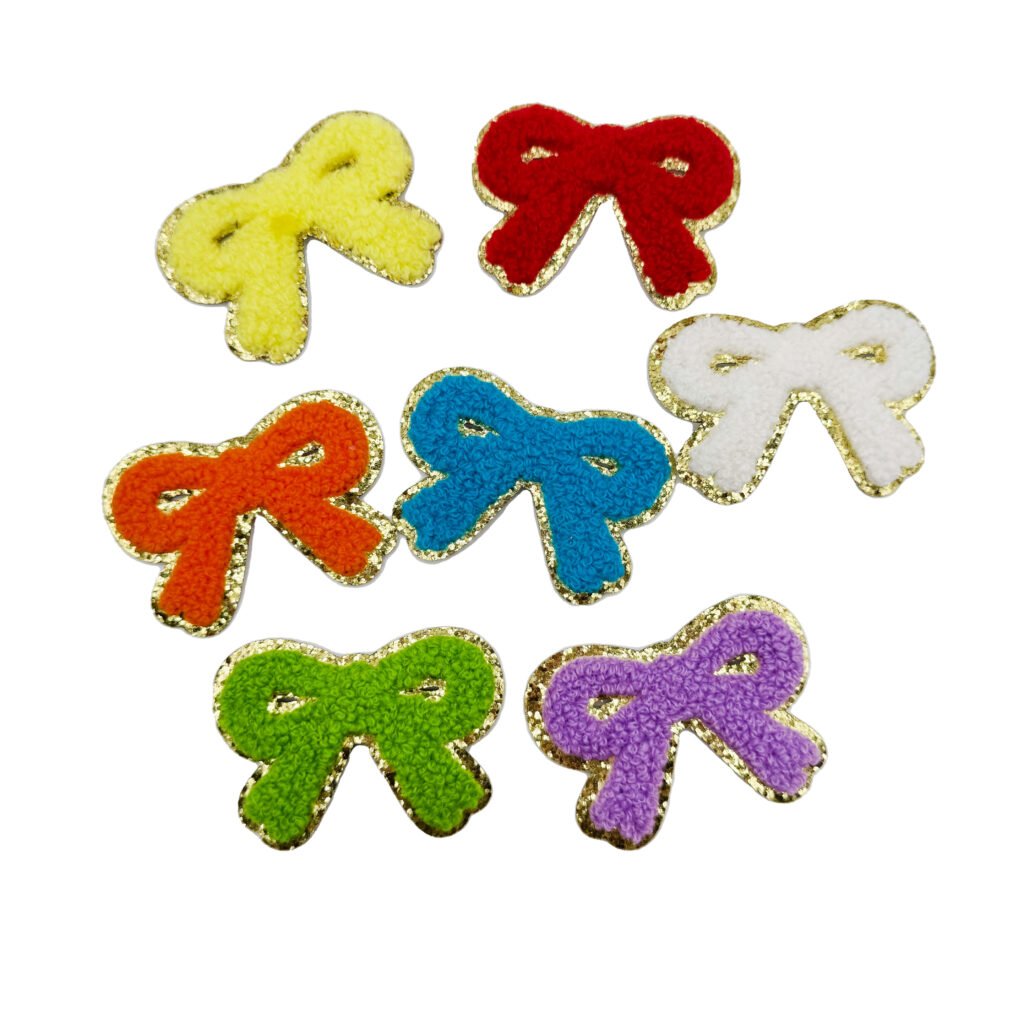
Another quiet strength of chenille is how broadly it adapts to different styles. Stitch a cartoon animal onto a kid’s shirt and it’s soft enough that even active little ones won’t feel it against their skin as they run and tumble. Embroider a simple monogram or clean geometric motif onto an adult hoodie or jacket, and it reads understated and distinctive — never childish. I even added a small chenille patch to a plain canvas tote bag, and the whole surface suddenly felt richer, with that plush little patch of texture breaking up the monotony. No one else is carrying the same bag.
A friend of mine sewed tiny chenille shapes onto her throw pillows at home. She told me that every time she leans her face against one and feels that soft, fuzzy little patch, it’s like a tiny hit of comfort. That’s the thing about weaving texture into everyday objects — it has a way of drawing people in. Sequins clamor for attention. Flat embroidery stays quiet and two-dimensional. Chenille sits somewhere in between, with a warmth that makes you want to move closer, to touch, to linger.
If you’re after a design that’s completely your own, the custom chenille patch process is refreshingly straightforward. Send your artwork, text, or logo to a manufacturer, confirm the sizing and color palette, approve a sample, and production moves ahead from there. Whether it’s a studio brand logo or a doodle you sketched on a napkin, chenille can render it with that soft, dimensional presence that no other process quite matches. You can even dial in the loop density and loft — want it fuller and more plush, or more delicate and refined? Just specify upfront.
At the end of the day, the things that make life feel genuinely comfortable are rarely the ones that demand to be noticed. A single custom chenille embroidered patch — fluffy, soft, tucked quietly into a hem or onto a bag — doesn’t shout. It doesn’t need to. But every time you catch sight of it, or your fingers brush past it, there’s a small, steady sense of reassurance. That kind of tender, tactile quality is the definition of something you only truly appreciate with time — and exactly why I’ve made room for it in my life.