Welcome to hykeychain.com
How to Choose Between PVC, Metal and Acrylic Keychains
Compare custom PVC, metal and acrylic keychains by durability, artwork detail, finish, budget and use case. A practical B2B sourcing guide.

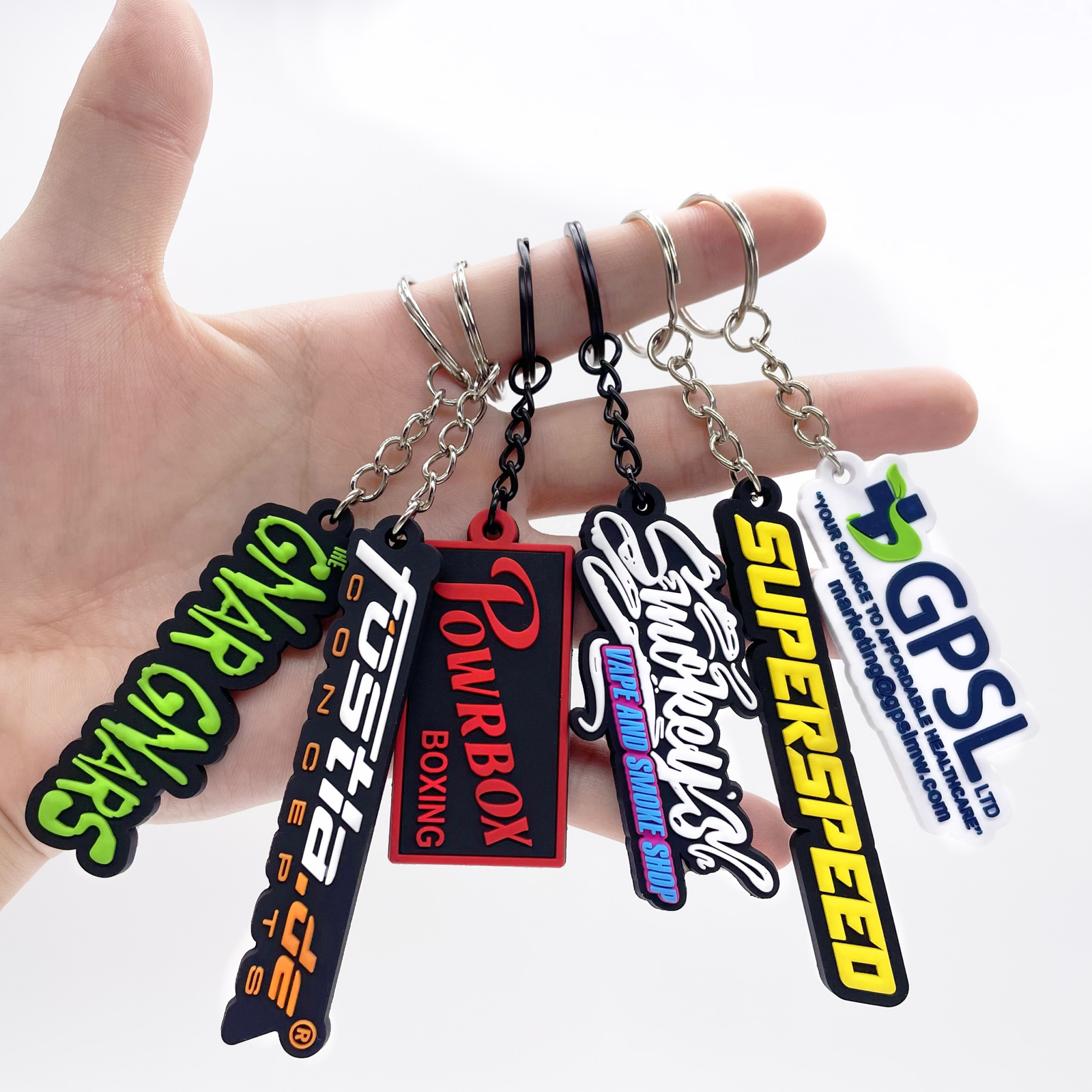
Quick answer: Choose PVC for flexible, colorful, dimensional artwork; metal for a premium, long-wearing feel; and acrylic for lightweight, high-detail printed designs. The right material depends on the end use, artwork, quantity, budget and target finish.
Start with the job the keychain needs to do
For a trade-show giveaway, everyday retail item, club badge or premium corporate gift, the material changes how the product feels, wears and is perceived. Share the intended use, target quantity and delivery country with your brief so the factory can recommend an appropriate construction.
PVC keychains: best for color, shape and tactile detail
Soft PVC is a practical choice for bold logos, mascots and multi-color designs. Raised layers make outlines easy to read, while the flexible material handles routine use well. Review artwork at actual size: very fine text or extremely close color matches may need simplification before mold making. See custom PVC keychain options and the 2D PVC keychain process.
Metal keychains: best for a premium, durable finish
Metal suits commemorative items, automotive programs, clubs and corporate gifts where weight and a polished finish support a higher-value feel. Plating, enamel, laser marking and 3D relief can affect cost and lead time. Confirm the desired finish, edge treatment and attachment before sampling. Review custom metal keychains.
Acrylic keychains: best for lightweight printed artwork
Acrylic works well for full-color illustrations, photography, gradients and small retail designs. It is lightweight and can be printed on one or both sides, but the edge and surface protection need to match the use case. See custom acrylic keychains before finalizing artwork.
Quick decision checklist
- Raised color and a flexible feel: start with PVC.
- Weight, plating or a gift-grade finish: consider metal.
- High-detail printed art at low weight: consider acrylic.
- Still unsure: request a material recommendation and a pre-production sample.
Frequently asked questions
Which keychain material is the most durable?
Metal generally provides the longest-wearing premium construction, while PVC is durable for flexible everyday use. The best choice still depends on the finish, attachment and intended use.
Can one design be made in all three materials?
Usually yes, but the artwork may need material-specific adjustments. A factory can review line weight, colors and sizing before quoting.
Need a project-specific recommendation?
Share your artwork, quantity, destination and target date. Our team will help you compare practical options.
How we turn a buyer brief into a production-ready order
A reliable custom-product project begins with a practical review rather than a generic promise. Before production, the team checks artwork, final size, material, color approach, attachment, packaging, quantity, destination and required delivery date. This creates a reference for the buyer, the sample team, production operators and shipment inspection staff. When a detail is important to the finished product, it should be recorded in the approved artwork or order specification.
Artwork and material review
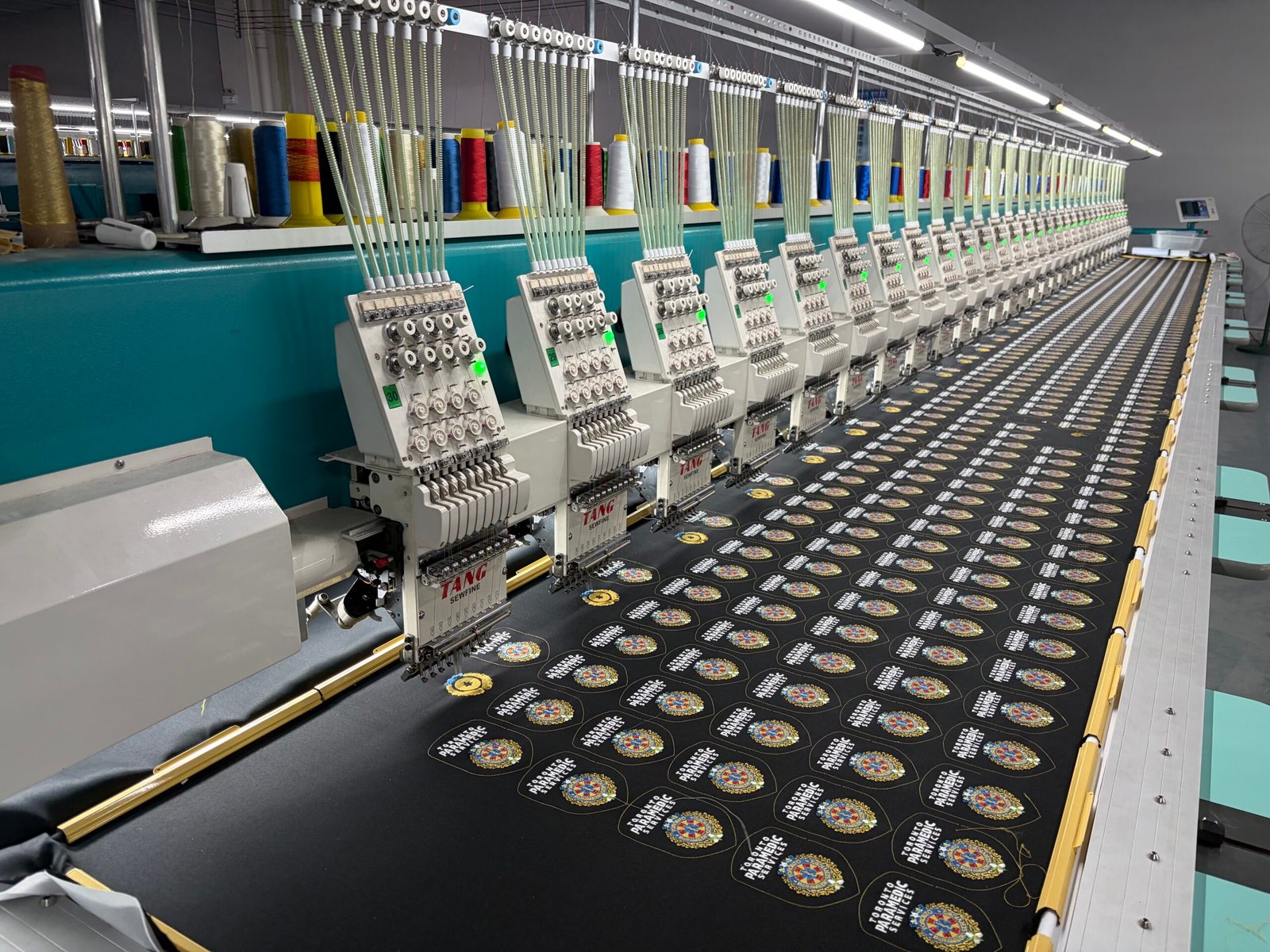
Artwork is assessed at the intended production size. Fine lines, small text, close color boundaries, transparent areas and raised details can behave differently in PVC, metal, acrylic and embroidery. A factory review should identify these points before mold preparation, printing or stitching begins. For a buyer, this is a useful safeguard: it makes material alternatives visible while changes are still inexpensive.
Sample approval and factory testing
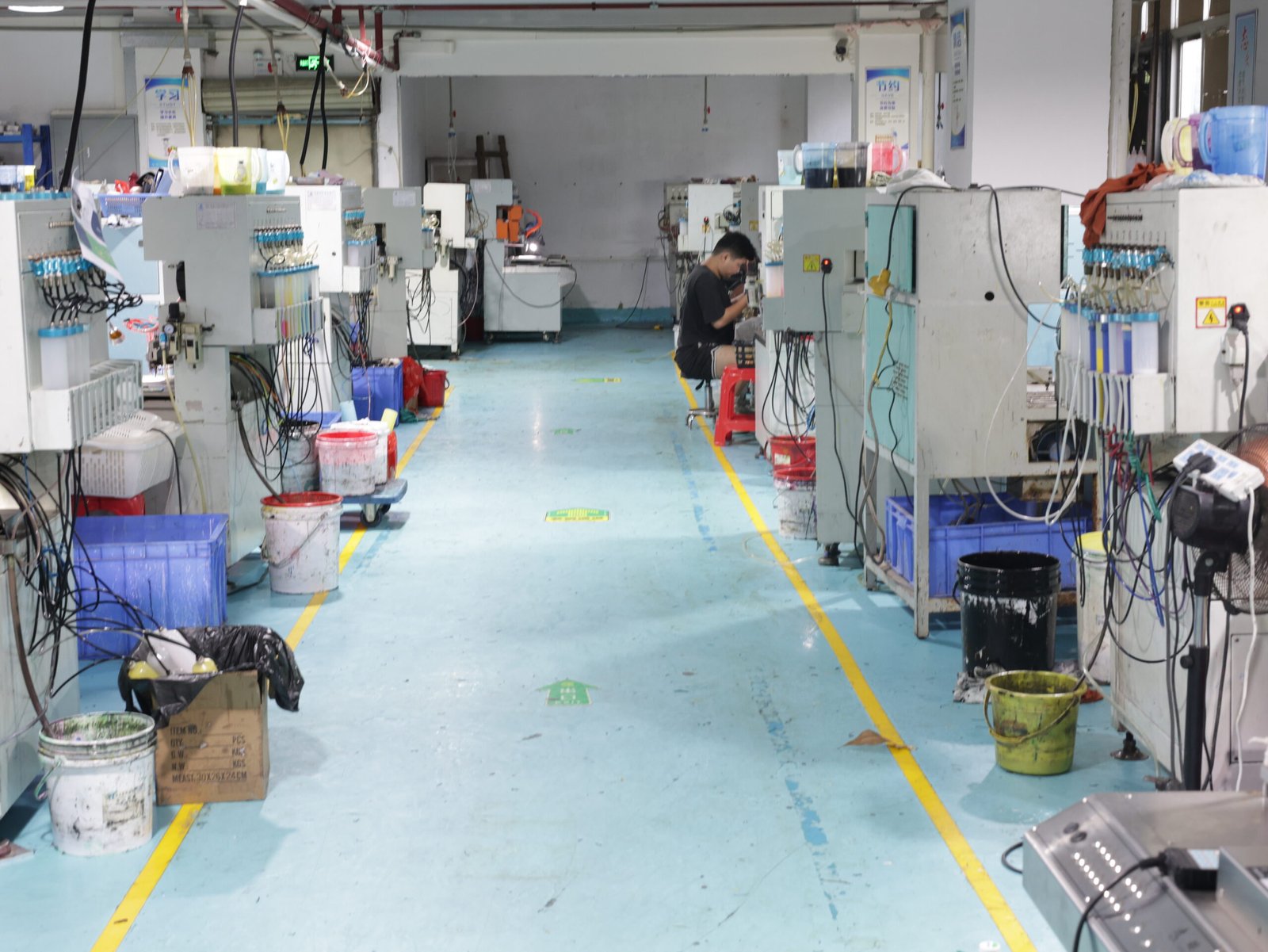
For a new logo, construction or packaging format, a sample gives the project team a physical reference for appearance, material feel, attachment and pack-out. The sample is also a useful point to check practical product application: whether a key ring operates cleanly, whether a patch backing fits its use, or whether a retail card protects the item during handling. Feedback should be consolidated into one clear approval record before bulk production.
Bulk production and shipment inspection
During production, quality checks should cover the agreed artwork, dimensions, surface finish, assembly and quantity. Before dispatch, buyers can request product, packaging and carton photos; confirm individual packing, carton quantity, dimensions, gross weight and shipping marks; and agree any third-party inspection requirements. These checks do not replace a specification, but they provide evidence that the shipment follows it.
Questions to resolve before confirming production
- What is the finished size, material, color requirement and attachment?
- Will the item be used for retail, events, uniforms, membership, distribution or promotional gifting?
- What sample, packaging, barcode or carton-mark requirements apply?
- What is the destination, required in-hand date and inspection process?
Need a production-focused recommendation?
Send your artwork, estimated quantity, delivery country and target date. Our team can review material, sampling, packaging and inspection options using the website standard inquiry form.
Need a recommendation for your custom project?
Send your artwork, quantity, delivery country and target date. Our team will help you compare practical materials, production options and packaging.
Ready to discuss your requirements?
Use our standard inquiry form to request a quote, product catalog or production recommendation.
Frequently Asked Questions
What should I include when requesting a quote?
Share your artwork or reference image, required quantity, preferred material or finish, packaging needs, delivery country and target date. These details help the production team recommend a practical specification and quote accurately.
Can I confirm a sample before full production?
For custom projects, sample and artwork approval should be agreed before bulk production whenever the design, color matching, construction or packaging requires confirmation. The appropriate sample route depends on the product and order requirements.
How can I check that the finished order matches my requirements?
Keep the approved artwork, material specification, quantity and packaging instructions together in the purchase confirmation. A shipment inspection against those agreed requirements helps identify issues before dispatch.