Welcome to hykeychain.com

Metal Medals vs. PVC Medals: Selecting the Right Award for Your Next Event

In the intricate ecosystem of event planning, the closing ceremony often leaves the most indelible mark on participants. While the spotlight frequently shines on keynote speakers or athletic feats, the humble medal serves as the tangible culmination of the entire experience. It is more than just a token of participation; it is a physical embodiment of the event’s values and the organizer’s attention to detail. Currently, the two dominant contenders in the awards industry are metal and PVC (Polyvinyl Chloride). Each possesses a distinct personality—one exuding gravitas and permanence, the other prioritizing agility and vibrant expression. Many procurement managers face a dilemma when choosing between them. A mismatch between the award’s aesthetic and the event’s tone can undermine even the most generous budget. Selecting the ideal medal hinges on a strategic evaluation of your event’s specific requirements and intrinsic character.
I. Tactile Experience: The Substantial Heft vs. Effortless Lightness
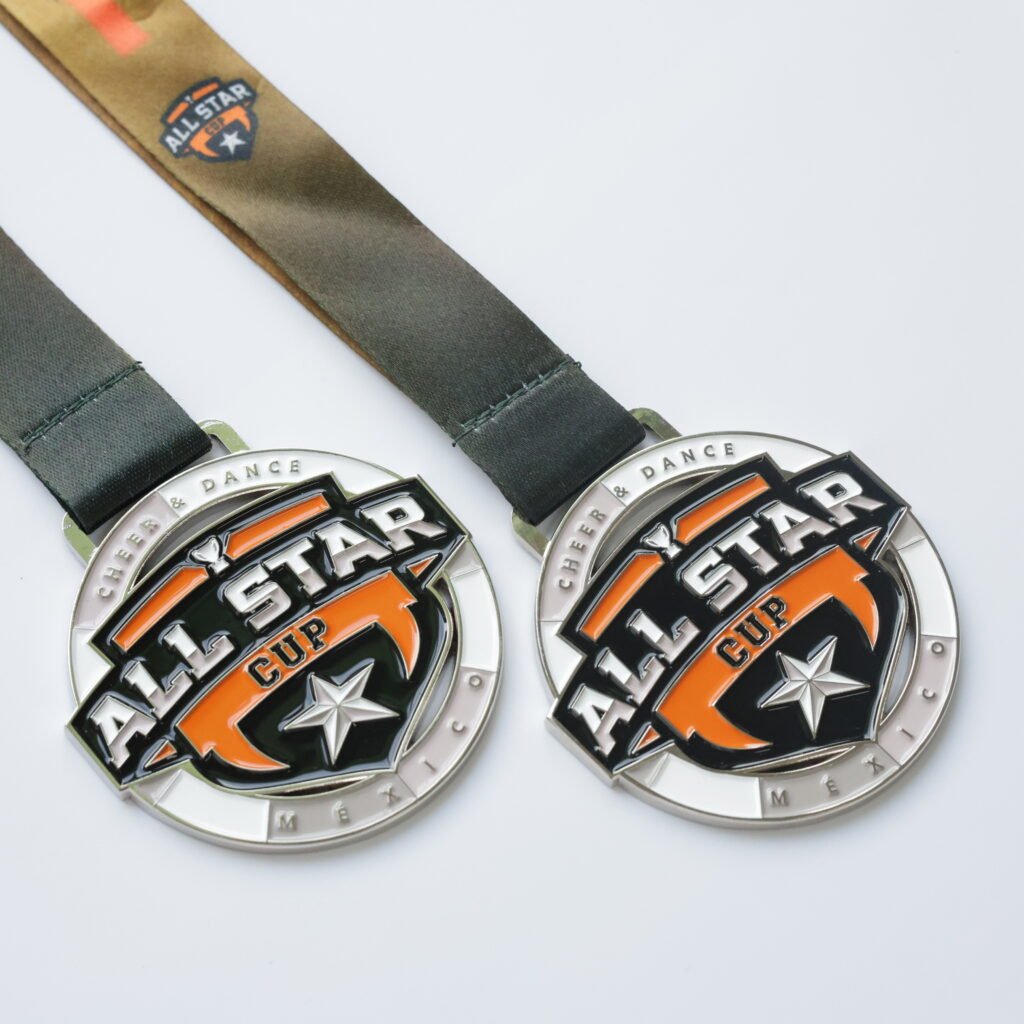
The moment a medal changes hands, the tactile feedback begins. Metal medals, typically crafted from zinc alloy, deliver an immediate impression of substance. The material feels cool and smooth to the touch, a sensation enhanced by meticulous polishing along the edges. When presented, the sheer weight—the “heft”—communicates significance before the recipient even reads the inscription. Worn around the neck, this weight naturally encourages better posture and a sense of decorum, making metal the undisputed choice for formal ceremonies where dignity is paramount.
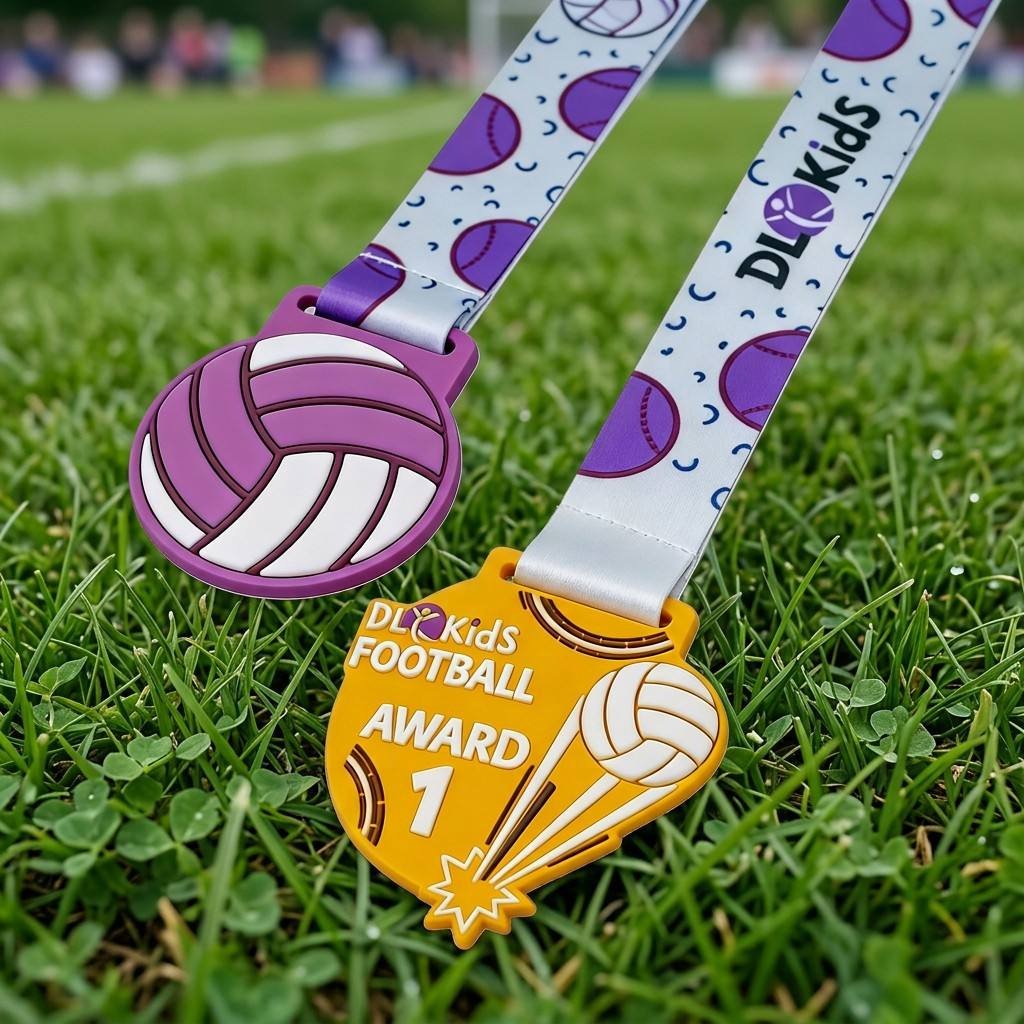
Conversely, PVC medals offer a stark contrast in user experience. Constructed from soft rubber, they are flexible, resilient, and virtually weightless. This makes them exceptionally safe and comfortable for younger demographics. For kindergarten graduations or elementary school sports days, PVC medals eliminate the risk of sharp edges or heavy impact. Children can run, play, and interact without the burden of a heavy ornament, allowing the focus to remain on the joy of participation rather than the management of a cumbersome accessory.
II. Aesthetic and Craftsmanship: Precision Engineering vs. Chromatic Versatility
The visual language of metal medals speaks of tradition and precision. Techniques like die-striking create high-relief patterns that catch the light dramatically, adding a three-dimensional depth that flat printing cannot replicate. Hard enamel fills provide a jewelry-like finish with subtle, sophisticated hues that resist the garishness of cheap printing. Advanced finishing options, such as antique patinas, lend an air of historical gravitas, suggesting that the award has already stood the test of time. Every line, serif, and edge is engineered for perfection, catering to audiences in markets like Europe and Japan that prioritize meticulous craftsmanship.
PVC medals, however, dominate the realm of color and creativity. Leveraging advanced printing technologies, they can reproduce complex gradients, photorealistic images, and intricate cartoon illustrations with stunning fidelity. Their malleability allows for virtually any shape—stars, clouds, mascots, or abstract silhouettes—freeing designers from the geometric constraints of metal casting. The overall aesthetic is playful, bright, and highly atmospheric. For youth-oriented events, music festivals, or branding campaigns targeting Gen Z in Southeast Asia, PVC’s ability to translate a vibrant brand identity into a physical form is unparalleled.
III. Durability and Preservation: Heirloom Quality vs. Rugged Utility
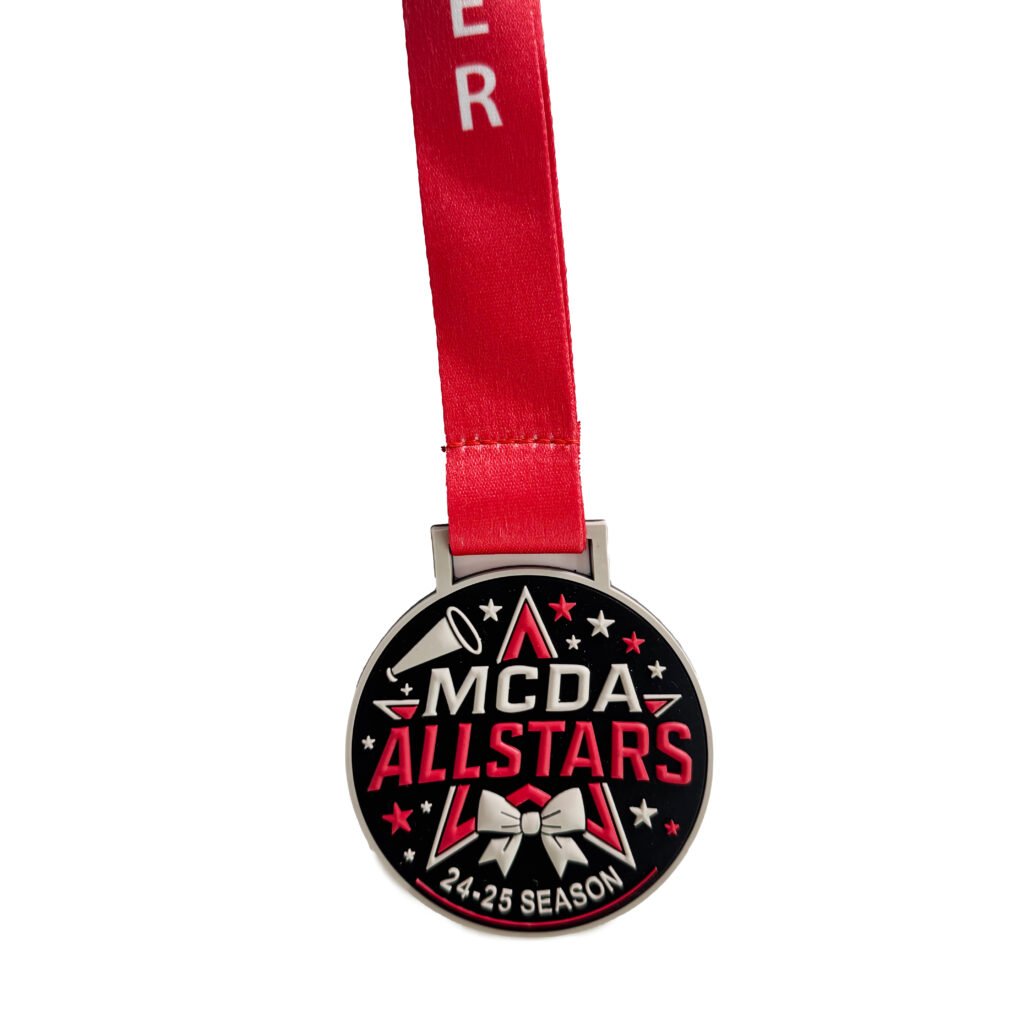
Longevity is a defining characteristic of metal medals. With proper care, a zinc alloy medal can remain pristine for decades. The electroplating acts as a barrier against oxidation and rust, while the designs are either physically embossed or fused through high-temperature baking, rendering them impervious to peeling. For many recipients, a significant medal becomes a keepsake—a “heirloom” pulled out years later to relive memories. This archival quality makes metal the only logical choice for awards intended to commemorate lifelong achievements.
PVC medals excel in “everyday resilience.” They are inherently waterproof and shatterproof; a quick wipe cleans off dirt or spills, making them ideal for outdoor adventures or messy play sessions. They can withstand being tossed between friends or dropped on hard surfaces without sustaining damage. However, they are vulnerable to prolonged UV exposure, which can cause gradual fading or embrittlement over several years. While perfectly suited for short-to-medium term memorabilia, they lack the century-spanning durability required for legacy awards. For organizers in sunny regions like the Middle East or Australia, this UV sensitivity is a critical factor to consider.
IV. Budgetary Considerations and Scale: Strategic Allocation
The financial aspect of medal procurement often dictates the final decision. Metal medals involve significant upfront investment due to the cost of custom steel molds and complex finishing processes. Consequently, the unit price is higher. This investment is justified for elite competitions, “Employee of the Year” recognitions, or executive retreats where the perceived value must match the importance of the honor. However, for large-scale events involving hundreds or thousands of participants, the cumulative cost can be prohibitive.
PVC medals operate on a different economic model. They typically require no expensive tooling fees, allowing for low-volume production without penalty. When scaled to mass production, the per-unit cost drops dramatically. For public school sports meets, community club gatherings, or corporate “fun runs,” PVC provides an opportunity to ensure every attendee receives a memento without straining the budget. It democratizes recognition, allowing organizers to spread encouragement widely at an accessible price point.
V. Making the Strategic Choice: A Decision Framework
To eliminate indecision, align your selection with the event’s core objective:
• Choose Metal Medals if: You are organizing a major athletic championship, a corporate annual gala, a volunteer service award, or any event where the award is intended for long-term collection. Metal communicates a weight of honor that is intrinsic to the material itself. It aligns with formal dress codes and sophisticated branding.
• Choose PVC Medals if: The event targets children, involves high-energy physical activity, or emphasizes fun over formality. Examples include campus fun fairs, nursery graduations, cosplay conventions, or large-scale participatory walks. PVC’s safety, light weight, and vivid graphics ensure the award enhances the experience rather than distracting from it.
Conclusion: Aligning Material with Message
Ultimately, the choice between metal and PVC is not about which material is objectively “better,” but which is more appropriate for the narrative you wish to convey. A metal medal turns an achievement into a legacy, transforming a moment of victory into a lifelong treasure. A PVC medal transforms an event into a celebration, ensuring that the memory remains bright, accessible, and unburdened by weight. By matching the medal’s physical properties to your audience’s expectations and your event’s atmosphere, you ensure that the final handshake, the placement around the neck, and the photograph that follows all feel perfectly in tune. Choose the weight of history, or choose the ease of joy—but choose deliberately.