Welcome to hykeychain.com

PVC vs. Metal Fridge Magnets — Which One Actually Belongs on Your Fridge?

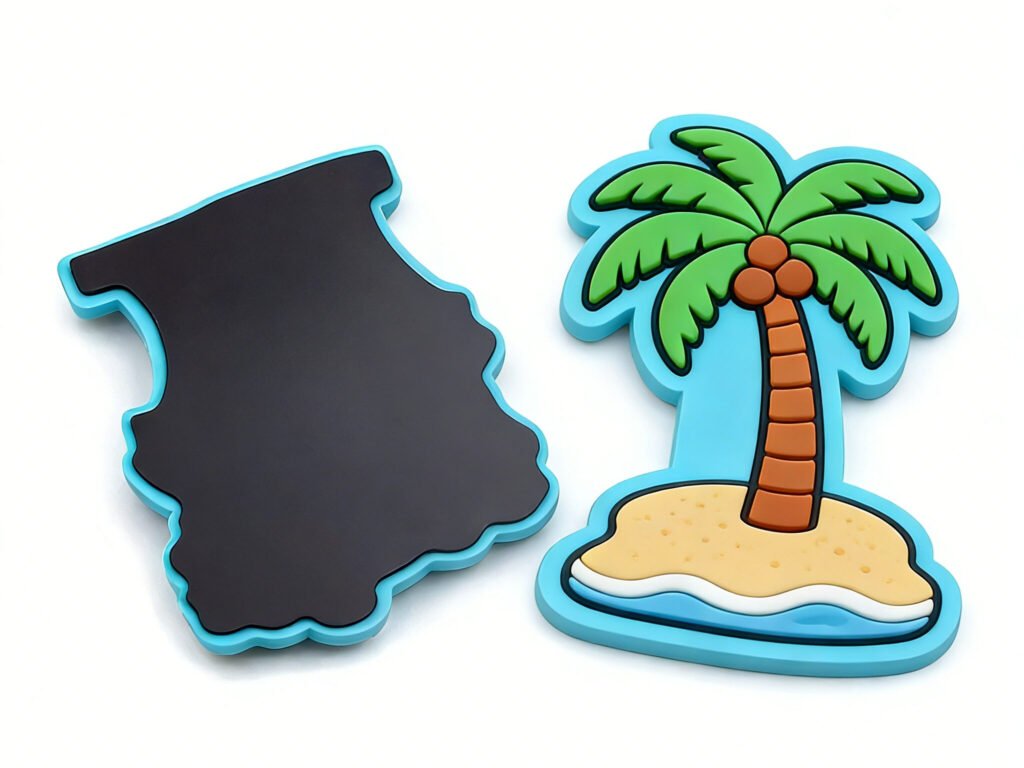
That empty fridge door — leave it bare and it feels like wasted space. Cover it in clutter and it’s an eyesore. You decide to pick up a few fridge magnets to add some personality, open a shopping app, and immediately hit a wall: soft PVC on one side, metal on the other, two completely different worlds staring back at you. It’s surprisingly easy to make the wrong call. Some magnets clash with your kitchen style the moment they arrive. Others turn yellow or lose their grip within months. Frustrating.
I’ve used both extensively — made my share of bad picks and kept plenty I genuinely love. So today I’m walking through a full side-by-side comparison from a purely everyday-use perspective. Whether you’re decorating your own kitchen, building a travel souvenir collection, or ordering custom magnets as small gifts, you’ll probably know which direction to go by the end.
Hand-Feel and Appearance: Soft & Pliable vs. Cool & Solid
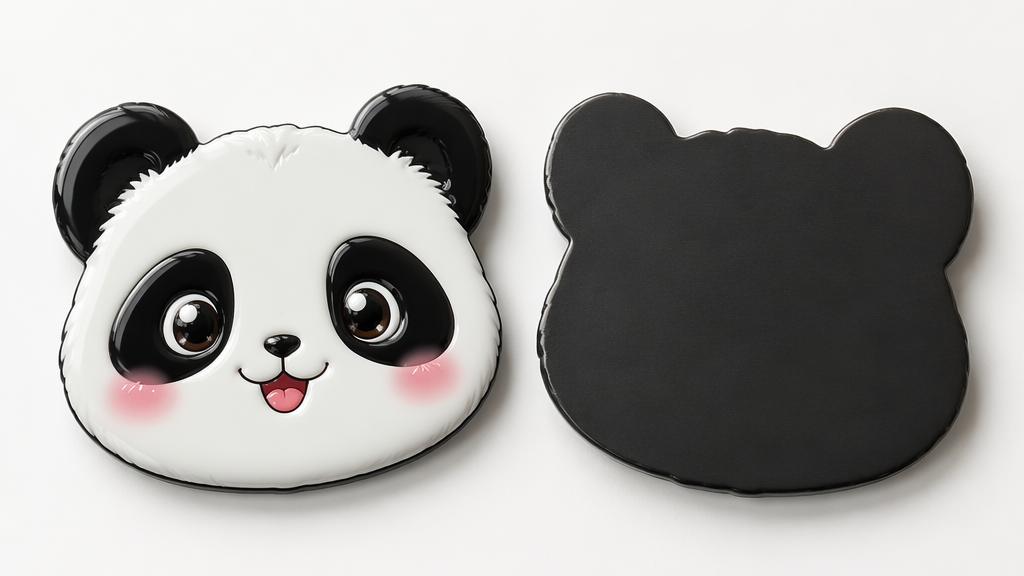
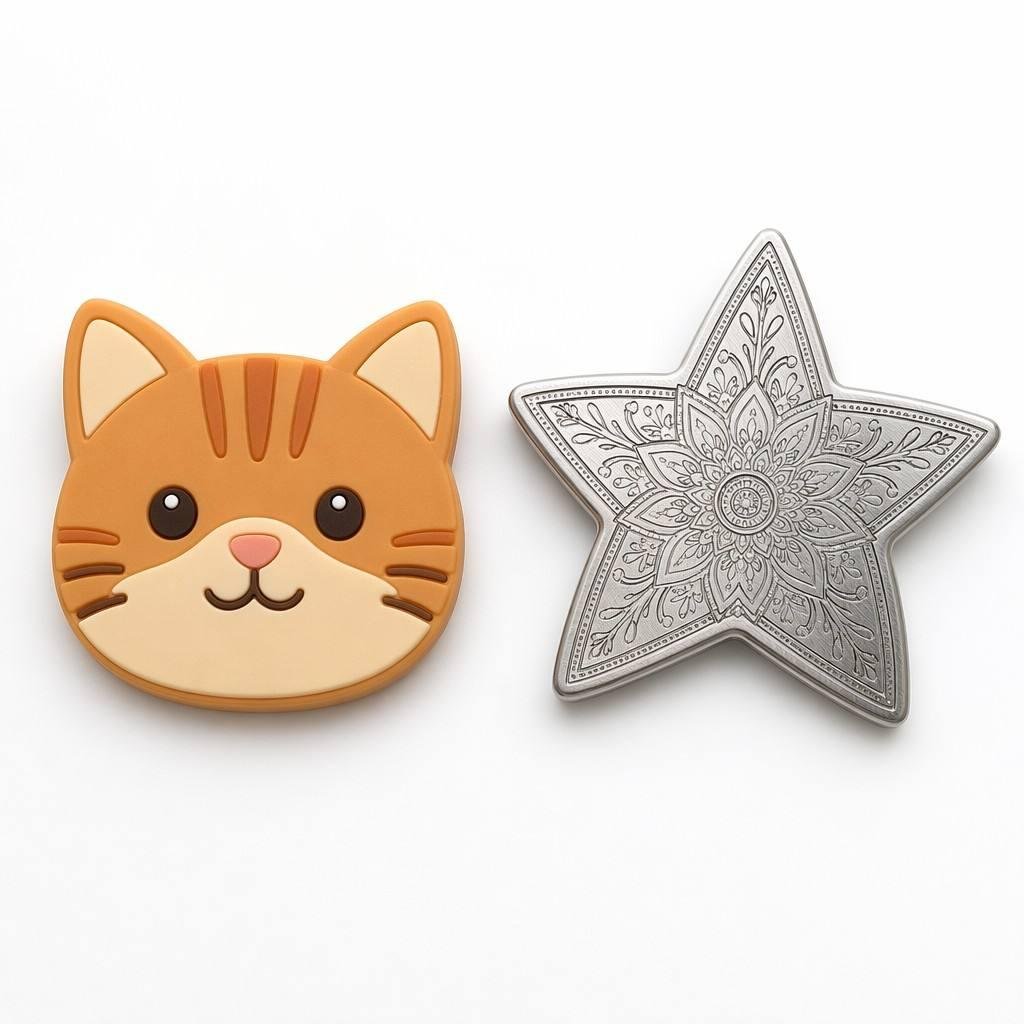
Pick up a PVC fridge magnet and it feels warm and smooth in your palm, with a slight springiness to it. The edges are rounded, and if it slips out of your hand and hits the floor — no sound, no damage. Color-wise, PVC covers a huge range: cartoon characters, food-shaped designs, little animal silhouettes, even 3D sculpted loaves of bread or chubby cats rendered with surprising realism. The overall vibe is relaxed and approachable, perfect for anyone drawn to cute, lived-in, personality-driven decor. Stick a handful across the fridge door and they read as charming little accents — more of them doesn’t feel heavier or more cluttered.
Metal fridge magnets are a completely different experience. They sit heavy in your hand. The surface carries an electroplated or enamel finish — cool and sleek to the touch, with clean, precise lines. The designs lean toward minimalist lettering, architectural silhouettes, vintage crests, and the like. Colors stay restrained; nothing loud or garish. A single well-placed metal magnet already makes a statement and can instantly sharpen the look of an entire fridge, but pile too many on and the effect quickly tips into visual chaos. These suit minimalist interiors, industrial-style kitchens, or modern homes where the decor skews refined rather than playful.
Durability and Cleaning: Who Survives the Grease and Steam of a Real Kitchen?
Your fridge lives in the kitchen, which means grease splatter and humidity are non-negotiable — so ease of cleaning matters more than most people expect. This is where PVC magnets hold steady. The surface is smooth, waterproof, and oil-resistant. A stray drop of cooking oil or a splash of water? One pass with a damp wipe and it’s gone. Yellowing and fading are rare — I’ve got several PVC magnets that have been up for two or three years and their colors still look fresh out of the package. One small caveat: deeply sculpted 3D designs can trap a bit of dust in the crevices and benefit from an occasional cotton-swab cleanup. Flat designs have no such issue.
Metal magnets come with a protective coating that resists scratches and wear, and the printed or enamel-filled patterns don’t fade easily. But they do have one vulnerability — moisture. If your kitchen runs consistently humid, the edges of metal magnets can start to oxidize over time, developing tiny dark spots. There’s also the weight factor: metal is heavier by nature, so if the magnetic backing is weak, the magnet will slide down the moment you tuck a sticky note or postcard behind it. Pay attention to the size and thickness of the magnet sheet on the back when you’re shopping. And in winter, the surface stays cold to the touch — whether that feels satisfying or off-putting is entirely personal.
Safety and Who They’re For
If you have young kids at home, the PVC side is clearly the gentler choice. The material is soft — drop it and it won’t hurt a bare foot. The rounded corners won’t scratch curious little hands. Kids can pull them off the fridge and play with them without you worrying about anything breaking. They can handle a fair amount of rough treatment.
Metal magnets are more delicate. They make a loud clatter when they hit the floor, and if one lands on a countertop or tile, it might leave a mark. Even with polished edges, hard materials and very young children aren’t an ideal mix for casual handling.
Memorabilia and Collectible Value
For travel souvenirs, both styles shine — just in different ways. PVC magnets win on sheer variety. They can capture the fine details of a landmark, a local specialty dish, or even regional slang and typography, all packed into a small, lightweight form that slips into your bag without taking up any real space. They’re also cheap enough that picking up a full set on a trip doesn’t sting.
Metal magnets appeal more to people who care about material quality and presence. A well-made enamel fridge magnet feels like a tiny badge in your hand and carries a certain weight on display that PVC doesn’t quite match. The trade-off is price — building a metal magnet collection costs noticeably more over time.
Customization and Value for Money
If you’re ordering in bulk — for a shop promotion, a creative market giveaway, or a small branded gift — PVC magnets hold a clear edge. Mold costs are low, designs aren’t restricted by shape, and you can print complex illustrations or irregular cut-out silhouettes without driving up the unit price. The per-piece cost stays friendly enough that giving away large quantities doesn’t hurt.
Custom metal magnets involve a more complex production process with more steps, so both the minimum order quantity and the unit price run higher. They’re better suited for premium keepsakes or high-end brand merchandise — the kind of project where the volume is modest but the finish needs to feel exceptional.
The Bottom Line
1.Go with PVC soft magnets if you have kids at home, your kitchen runs humid or greasy, and your taste leans warm, cute, and lived-in. They’re low-maintenance, safe, and easy to swap whenever your mood changes.
2.Choose metal magnets if your home skews minimalist or modern, you value material weight and refined finishes, you don’t mind the cool-to-the-touch feel, and your kitchen stays reasonably dry.
Neither is objectively better. It really comes down to what you want to feel the next time you reach for the fridge door — and what kind of small joy you’d like waiting there.