Welcome to hykeychain.com

The Ultimate B2B Sourcing Guide: Custom Metal Awards & Medals – Mastering Manufacturing, Finishes, and Bulk Order Logistics

In the realm of global events, corporate recognition, and competitive excellence, the award itself serves as a tangible symbol of achievement. While acrylic and PVC options offer lightweight affordability, nothing rivals the gravitas, permanence, and tactile satisfaction of a custom metal medal. For procurement officers, event organizers, educational institutions, and HR teams across North America, Europe, Southeast Asia, and the MENA region, sourcing high-quality metal medals requires a nuanced understanding of metallurgical processes, surface aesthetics, and supply chain logistics. A subpar medal—prone to tarnishing, chipping, or inconsistent plating—can undermine the prestige of even the most significant milestone. This guide provides a professional framework to navigate the complexities of bulk metal medal procurement, ensuring your awards reflect the true value of the honors they represent.
I. Core Manufacturing Techniques: Defining Depth and Detail
Selecting the right manufacturing process is the foundational decision that dictates the medal’s perceived value and durability. Each technique offers distinct advantages depending on the design complexity and budgetary constraints.
1. Die-Struck Relief (Stamping):
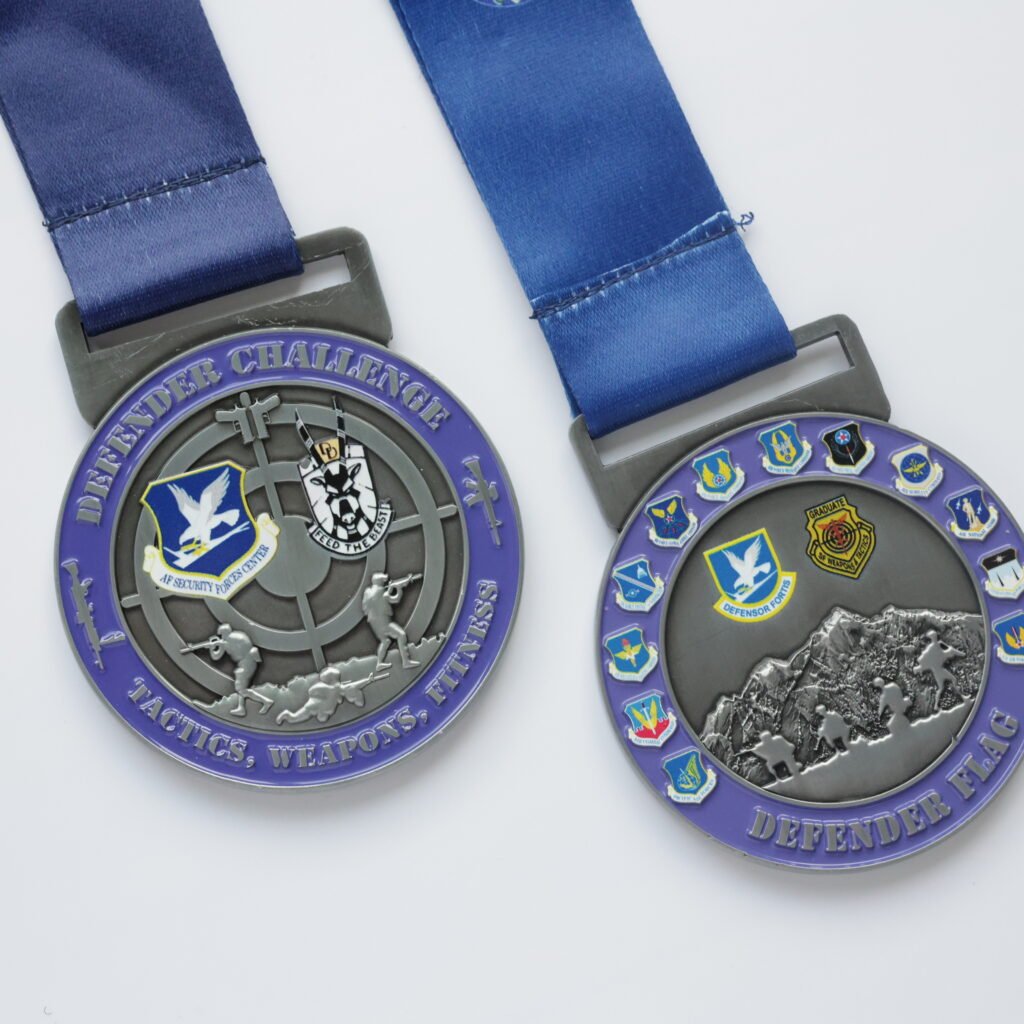
This is the industry benchmark for high-end awards. Utilizing extreme hydraulic pressure, a custom steel die strikes the metal blank to create raised (relief) and recessed areas. The result is a crisp, three-dimensional texture that conveys authority and permanence. It is the preferred choice for official sporting events like marathons, government ceremonies, and military-style challenge coins due to its exceptional durability and resistance to wear. The edges remain sharp, and the tactile feel is substantially heavier and more premium than cast alternatives.
2. Hard Enamel (Cloisonné):
Often associated with luxury collectibles, hard enamel involves filling recessed areas with powdered glass pigments, which are then kiln-fired at high temperatures and polished flush with the metal lines. The finish is smooth, glossy, and exceptionally vibrant. Unlike soft enamel, there is no texture difference between the metal ridges and the color fills. This process is ideal for intricate logos, vibrant brand colors, and designs requiring a jewelry-like quality, making it popular for corporate service awards and high-end tourist souvenirs in markets like Japan and South Korea where precision is paramount.
3. Soft Enamel (Epoxy Resin Filling):
Offering a balance between aesthetics and cost-efficiency, soft enamel fills recesses with liquid paint and bakes it to cure. The finished product features a textured surface where the metal lines are raised above the color fills. Often, a layer of clear epoxy (resin) is applied over the top to provide a glossy, protective shield against scratches and UV fading. This is the workhorse for large-scale school sports days, employee wellness challenges, and mid-tier competitions across Southeast Asia, providing excellent visual appeal without the premium price tag of hard enamel.
4. Laser Engraving:
Precision is key for personalization. Fiber laser engraving removes the top layer of metal to reveal the base material underneath or etches fine details directly onto the surface. This method is essential for adding unique identifiers such as serial numbers, recipient names, or specific dates. It ensures permanence—unlike printing, laser etching will not rub off over time, making it suitable for “Best Employee” awards or limited-edition commemorative pieces.
II. Surface Treatments: Elevating Perceived Value
The finishing process transforms a raw metal disc into a sophisticated artifact. The choice of plating and texture significantly impacts the unboxing experience and long-term preservation.
1. High-Polish Mirror Finish:
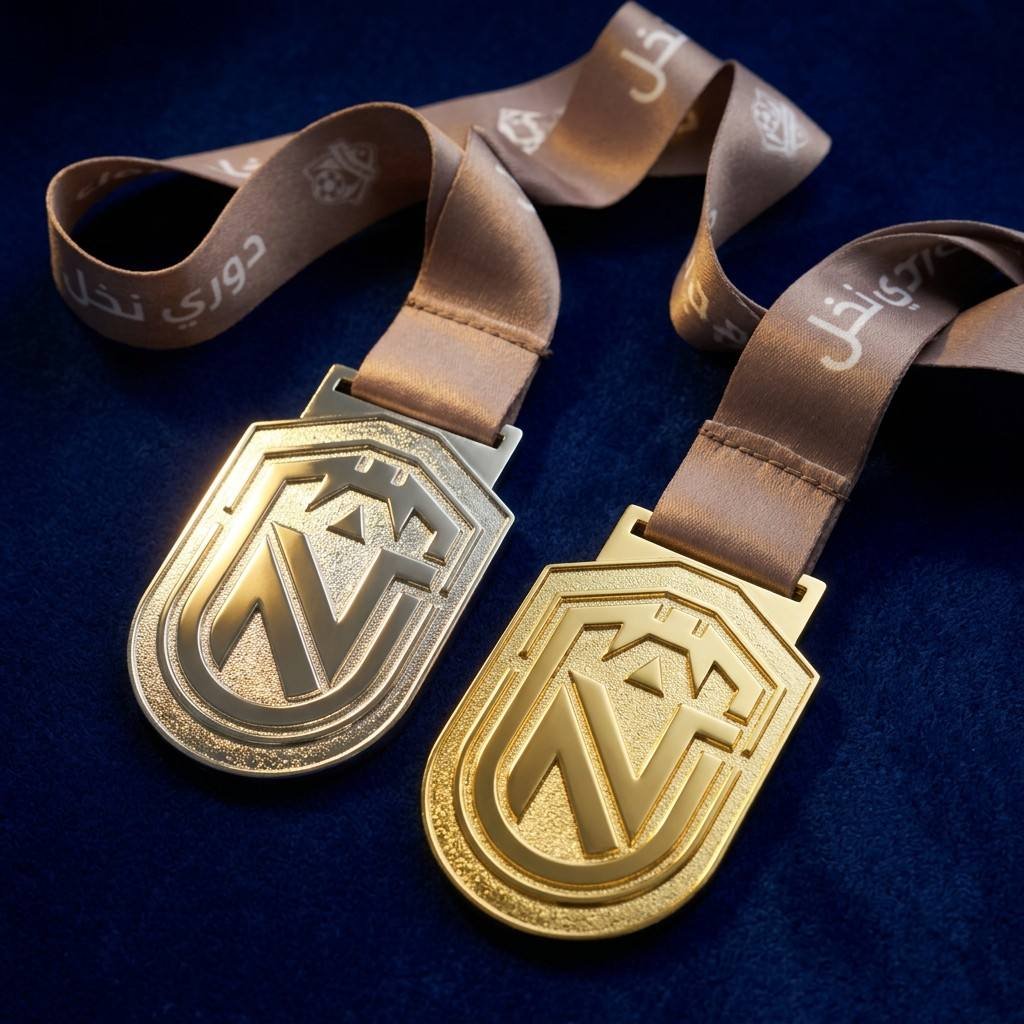
Achieved through progressive buffing, this treatment creates a reflective, mirror-like surface. It exudes opulence and is often used for gold or silver-plated medals intended for gala dinners and elite competitions. However, buyers in humid climates like Singapore or coastal regions in the Middle East should note that polished surfaces are prone to fingerprint marks and fine scratches. We recommend pairing these with premium presentation boxes to maintain their luster.
2. Matte Brushed/Dull Polish:
This finish involves brushing the metal surface with abrasive pads to create a non-reflective, satin texture. It is highly resistant to fingerprints and minor abrasions, offering a contemporary, understated elegance. This is the standard for corporate “Employee of the Month” awards or tech industry recognitions where a modern, minimalist aesthetic is preferred.
3. Antique and Vintage Patinas:
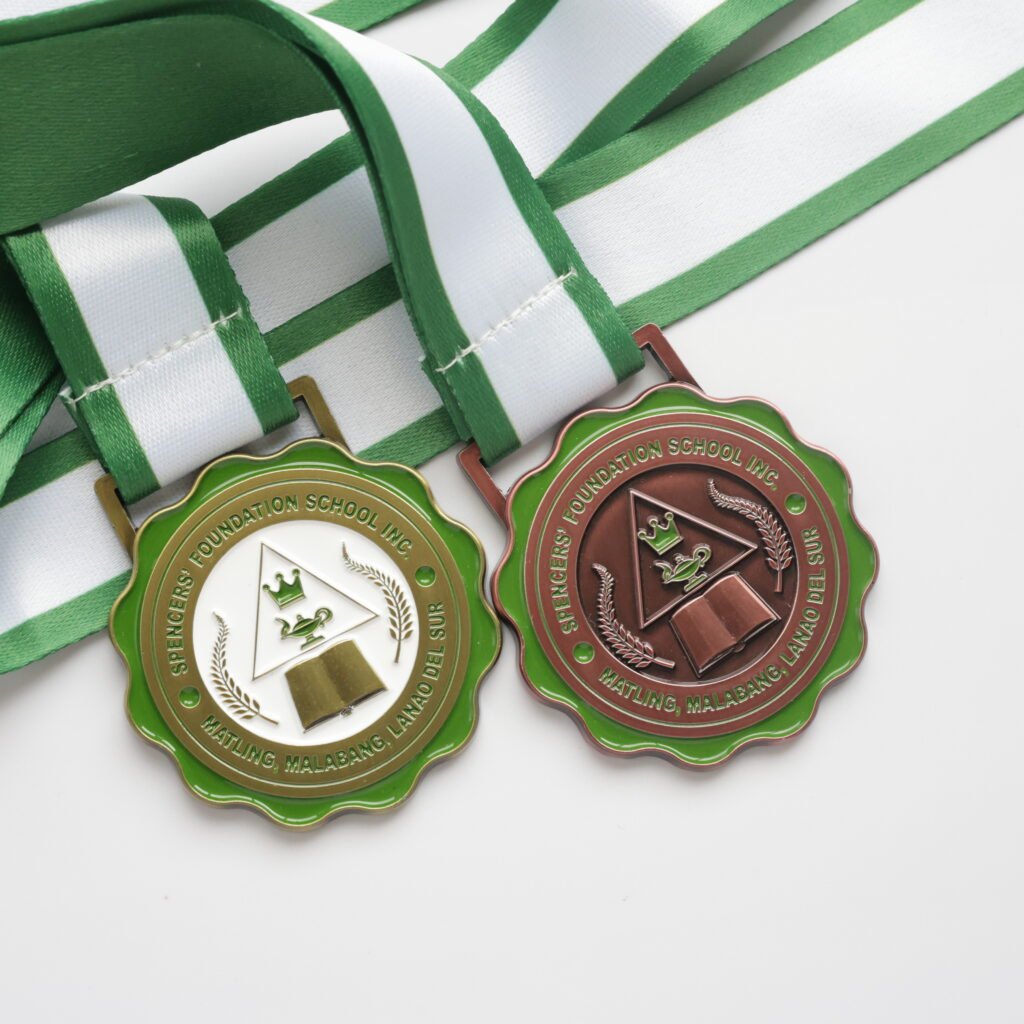
Chemical treatments create an aged appearance, simulating years of natural oxidation. Available in antique gold, silver, bronze, and copper, this finish highlights the recesses of the design while leaving the raised areas polished. It is exceptionally popular for historical commemorations, heritage festivals, and “Retro Run” marathon medals. For the European and MENA markets, an antique bronze finish paired with intricate heraldic crests evokes a sense of tradition and legacy.
4. Electroplating and Color Retention:
Plating involves depositing a thin layer of precious metal (gold, silver, nickel, brass) onto the base metal (usually zinc alloy or iron). The thickness of this layer, measured in microns, determines the medal’s resistance to corrosion and tarnishing. Low-cost suppliers often use thin plating (flash plating), which fades to a dull gray within months. For international buyers, specifying a minimum plating thickness (e.g., 10u” for gold) is crucial to ensure the medals retain their brilliance during long-term display, especially in the variable humidity of Southeast Asian markets.
III. Bulk Ordering Logistics: Ensuring Consistency and Compliance
Procuring medals in bulk (500+ units) introduces variables related to mass production. Diligent oversight of the following points prevents costly errors.
1. Mold Creation and Pre-Production Samples (PPS):
Never proceed to full production without approving a physical sample. The mold (die) is the heart of the operation; once carved, modifications are expensive and time-consuming. Scrutinize the sample for relief depth, edge smoothness (deburring), and color accuracy. For international orders, request a “Golden Sample” to be kept by both parties as the quality benchmark for the entire batch.
2. Batch-to-Batch Color Consistency:
Variations in dye lots or plating tank temperatures can lead to noticeable color shifts between production runs. This is particularly critical if you are ordering medals for a multi-year series or replenishing stock. Reputable manufacturers utilize spectrophotometers to maintain strict Pantone (PMS) color consistency. Insist on a Color Acceptance Limit (Delta E) in your contract to ensure visual uniformity across all units.
3. Quality Control (QC) Metrics:
Subjective terms like “good quality” are insufficient. Establish quantifiable QC standards. Check for “flash” (excess metal along seams), ensure there are no air bubbles in the enamel, and verify the integrity of the attachment loop (the ring that holds the ribbon). A standard stress test involves checking the loop’s tensile strength—a robust medal should withstand at least 5kg of force without deformation.
4. Integrated Packaging Solutions:
Logistics efficiency is maximized when the manufacturer handles packaging. Decide whether you need individual polybags, velvet boxes, or custom-printed gift cartons. Coordinating separate vendors for medals and packaging increases shipping costs and the risk of damage during transit. For e-commerce brands or corporate gift sets, consider requesting custom inserts or thank-you cards to be included in the fulfillment process.
IV. Application Scenarios and Strategic Selection
Matching the medal specification to the event context is vital for budget optimization.
• High-Prestige / Long-Term Keepsake: For Olympic-style events, 25-year service awards, or luxury brand promotions, invest in Die-Struck + Hard Enamel + Thick Gold Plating. The longevity justifies the investment.
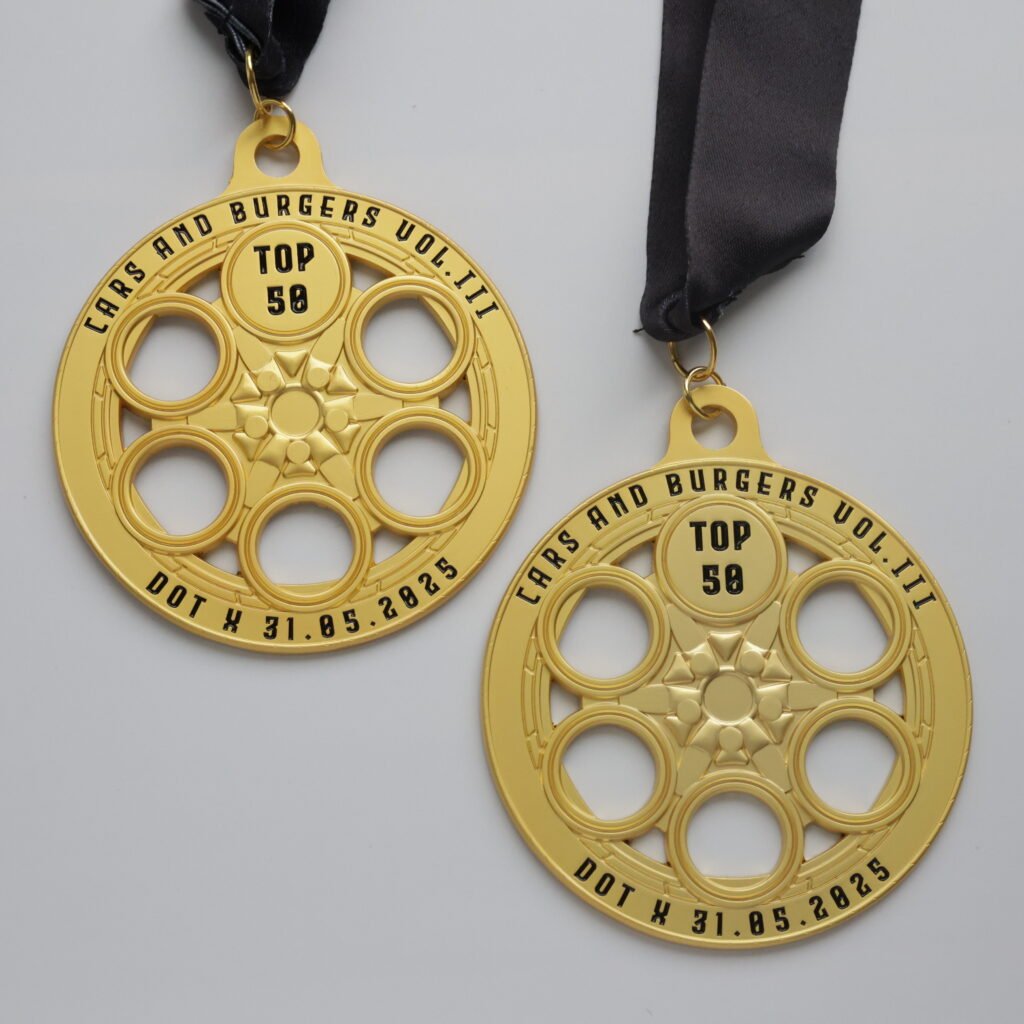
• Mid-Range / Large Volume: For university sports meets, charity fun runs, or staff appreciation days, Die-Struck + Soft Enamel (with Epoxy) + Matte Finish offers the best ROI. It balances visual appeal with cost-effectiveness for quantities exceeding 1,000 pieces.
• Personalization Lead Times: If your order requires individual names or sequential numbering via laser engraving, factor in an additional 3-5 business days for production. Rushing this process often results in misaligned text or skipped numbers.
Conclusion: Investing in Legacy
A metal medal is more than just metal; it is a physical manifestation of effort, success, and memory. In the competitive landscape of global events and corporate culture, the difference between a mediocre award and a cherished heirloom lies in the details—the weight of the zinc alloy, the precision of the stamping, the durability of the plating, and the clarity of the enamel. By understanding the distinctions between manufacturing techniques and enforcing rigorous quality control standards, procurement professionals can ensure that every medal awarded serves as a lasting testament to excellence. Whether displayed in a corporate lobby in London, a school trophy case in Kuala Lumpur, or a marathoner’s home in Dubai, a well-crafted medal transcends its material value to become a timeless symbol of honor.