Welcome to hykeychain.com
The Ultimate B2B Sourcing Guide to Custom Metal Keychains: Materials, Finishes, and Bulk Procurement Strategy

In the premium segments of corporate gifting, automotive merchandising, brand licensing, and anniversary commemoratives, custom metal keychains hold a position of unrivaled strategic value. Unlike fabric, acrylic, or PVC alternatives, metal keychains offer a unique “substantial heft,” a cool tactile resonance, and exceptional longevity. They serve as the ultimate medium for translating abstract brand values—such as strength, stability, and prestige—into a tangible user experience. For procurement managers and brand developers targeting the discerning markets of North America, Europe, the GCC, and East Asia, a precision-engineered metal keychain is more than a utility item; it is a durable asset that communicates corporate identity and product quality every time it is handled. This guide provides a comprehensive framework for selecting the optimal materials, surface treatments, and color-filling techniques to ensure your bulk order meets the highest standards of craftsmanship and commercial viability.
I. Material Substrates: The Foundation of Quality and Cost
The choice of metal alloy is the primary determinant of a keychain’s structural integrity, manufacturing complexity, and perceived value. Four core materials dominate the global B2B market:
1. Zinc Alloy (The Industry Standard):
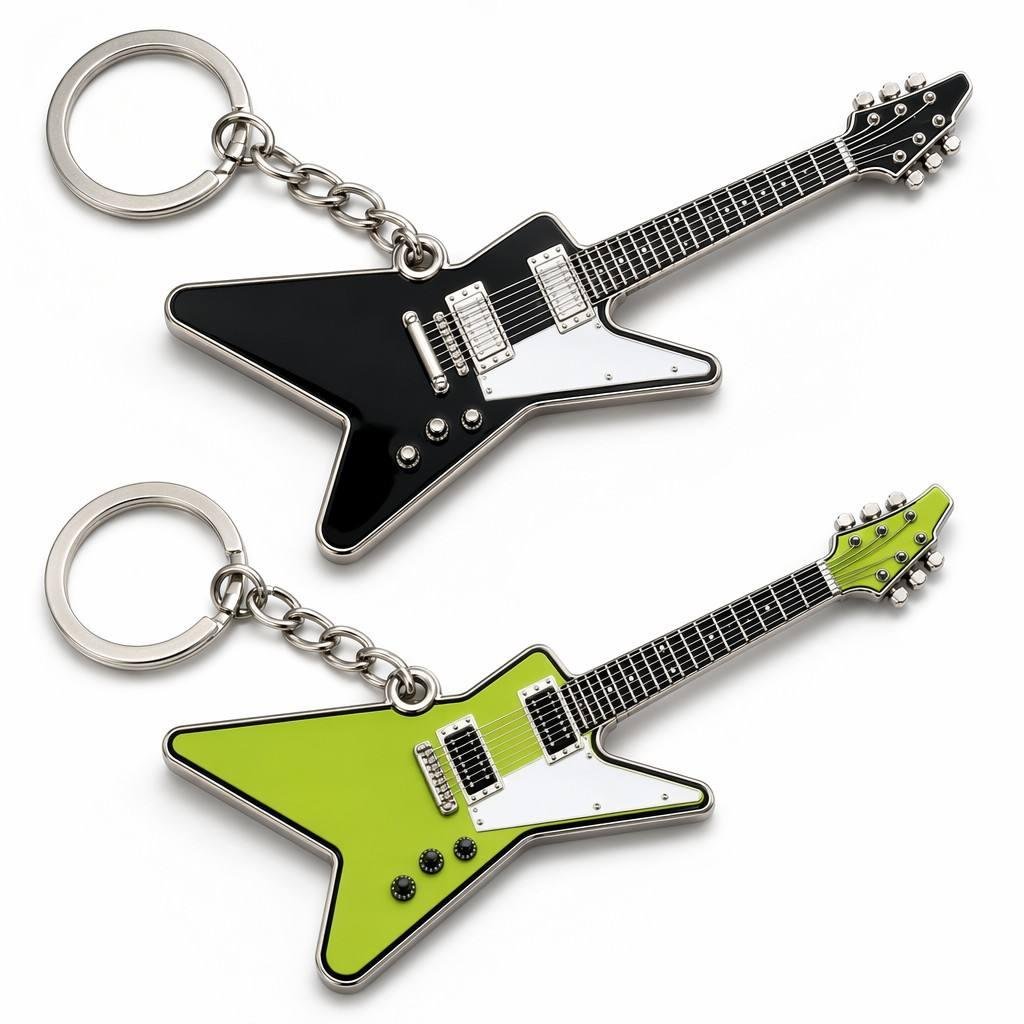
Zinc alloy is the most versatile and widely used substrate for premium custom keychains. Its low melting point and high fluidity allow it to fill intricate mold cavities, making it ideal for complex 3D reliefs, hollowed-out (skeleton) designs, and multi-layered structures. It offers a superior surface finish that captures fine details with remarkable accuracy. Zinc alloy strikes the optimal balance between cost-efficiency and high-end aesthetics, making it the default choice for automotive keychains, luxury brand merchandise, and detailed corporate gifts.
2. Brass/Copper (The Premium Collector’s Choice):
With a higher density than zinc, brass and copper provide a richer, more substantial metallic feel. These materials are favored for their excellent machinability, allowing for deep etching and fine laser engraving. Their most distinctive characteristic is their “living finish”—the natural patina they develop over time through oxidation. When intentionally aged using antique finishing processes, brass and copper exude a vintage, heritage aesthetic that is highly sought after in the European and Japanese markets for high-end souvenirs, artisanal goods, and luxury packaging.
3. Stainless Steel/Iron (The Durable Workhorse):
These ferrous metals offer high hardness and superior corrosion resistance. However, their rigidity makes them less suitable for complex 3D molding. They are primarily used for die-struck (stamped) flat designs. The key advantages are cost-effectiveness, structural stability, and a minimalist industrial look. Stainless steel keychains are the preferred option for companies requiring large-volume, budget-conscious promotional items, employee service awards, or utilitarian accessories where extreme durability is prioritized over intricate detailing.
II. Surface Finishes: The Visual and Tactile Signature
The surface treatment applied to the metal substrate acts as the product’s “second skin,” defining its visual style and tactile interaction. Electroplating is the most critical process in this stage.
• Polished Plating (Mirror/High-Gloss): Finishes such as Bright Gold, Silver, or Rose Gold create a reflective, mirror-like surface. This finish conveys modern luxury, sophistication, and meticulous attention to detail. It is the standard for high-end corporate gifts, jewelry-branded merchandise, and premium automotive accessories. Note: Polished surfaces are prone to showing fingerprints and fine scratches, making them better suited for occasional handling or display.
• Antique/Vintage Plating (Patina): Techniques like Antique Bronze, Copper, or Brass involve chemical oxidation to create an aged appearance. The process darkens the recesses of the design while leaving the raised areas highlighted, emphasizing texture and depth. This finish is essential for historical commemoratives, heritage brands, and the “steampunk” or “military heritage” aesthetics popular in North American and European markets.
• Brushed/Satin/Matt Finishes: These processes create a non-reflective, fine-line grain texture. The result is an understated, contemporary look that is highly resistant to fingerprints and minor abrasions. It is the finish of choice for professional business environments, high-end electronics brands, and automotive manufacturers (e.g., Porsche, BMW) that favor a minimalist, technical design language.
III. Color Filling Techniques: Protection and Aesthetics
Color application not only enhances visual appeal but also provides a protective layer for the underlying metal. Three primary methods are used in B2B production:
1. Soft Enamel (The Versatile Standard):
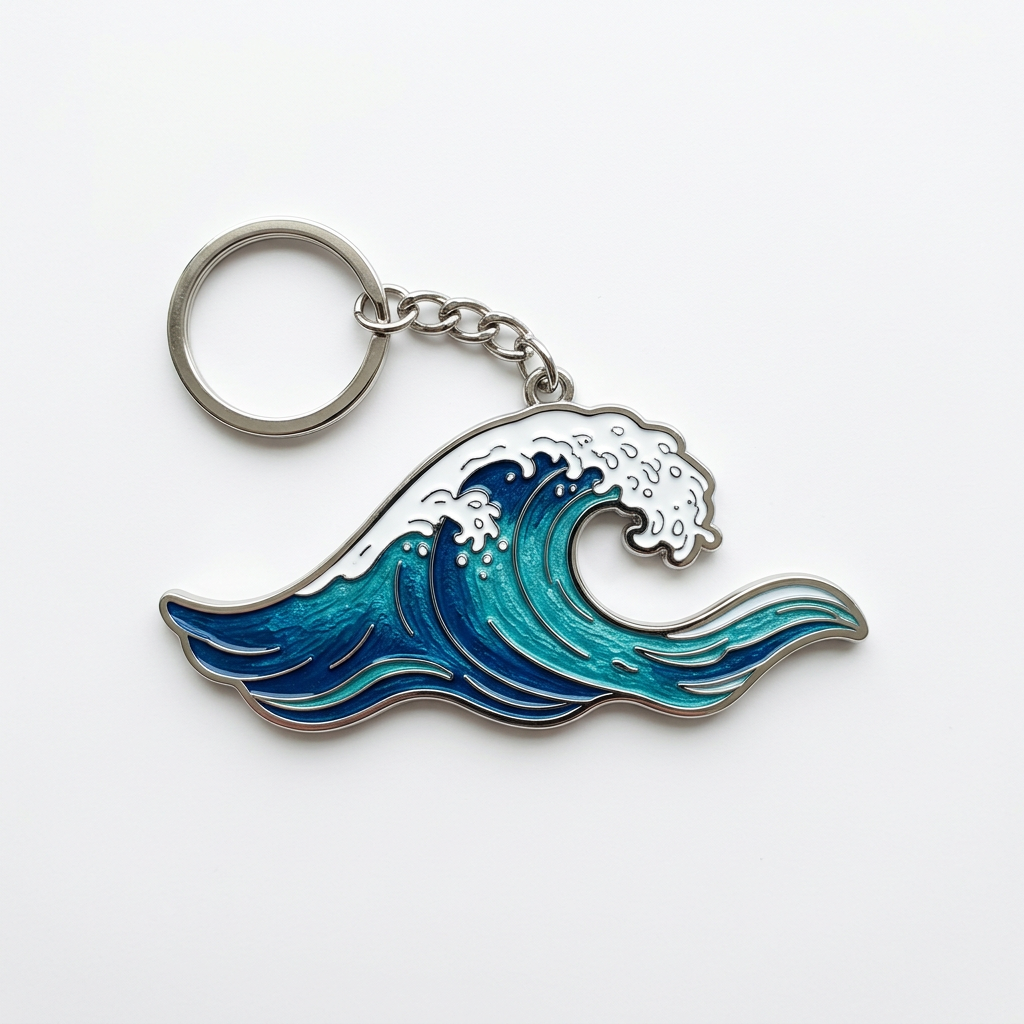
Soft enamel is the most common coloring method for custom keychains. After plating, colored epoxy paint is applied to the recessed areas of the design, leaving the metal lines raised above the surface. This creates a tactile, textured finish with a noticeable dimensional difference between the metal and the color. It offers vibrant, saturated colors at a reasonable cost, making it the ideal choice for corporate logos, cartoon characters, and most promotional designs.
2. Hard Enamel (Cloisonné – The Jewelry Standard):
Hard enamel represents the pinnacle of keychain craftsmanship. After the recesses are filled with powdered glass pigments, the keychain is kiln-fired at high temperatures (approx. 800°C) and then polished to a smooth, flush finish. The result is a surface as smooth as glass, with a jewelry-grade hardness that is exceptionally resistant to scratching and fading. The colors are more subdued and sophisticated than soft enamel. This process is reserved for high-end executive gifts, limited-edition collectibles, and luxury brand merchandise where budget is secondary to perfection.
3. Laser Engraving & Silk Screening:
• Laser Engraving: Uses a high-energy laser beam to etch designs directly onto the metal surface. It is capable of rendering extremely fine text, intricate logos, and unique serial numbers with permanent, indelible accuracy. It is the standard for “tech-spec” details, barcodes, and personalized names.
• Silk Screening (Pad Printing): Best suited for applying large areas of flat color or highly detailed, multi-color logos that cannot be achieved through enamel filling. It is often used for secondary branding or complex graphic elements on a smooth metal surface.
IV. Design Protocols and Scenario-Based Selection
Design File Standards:
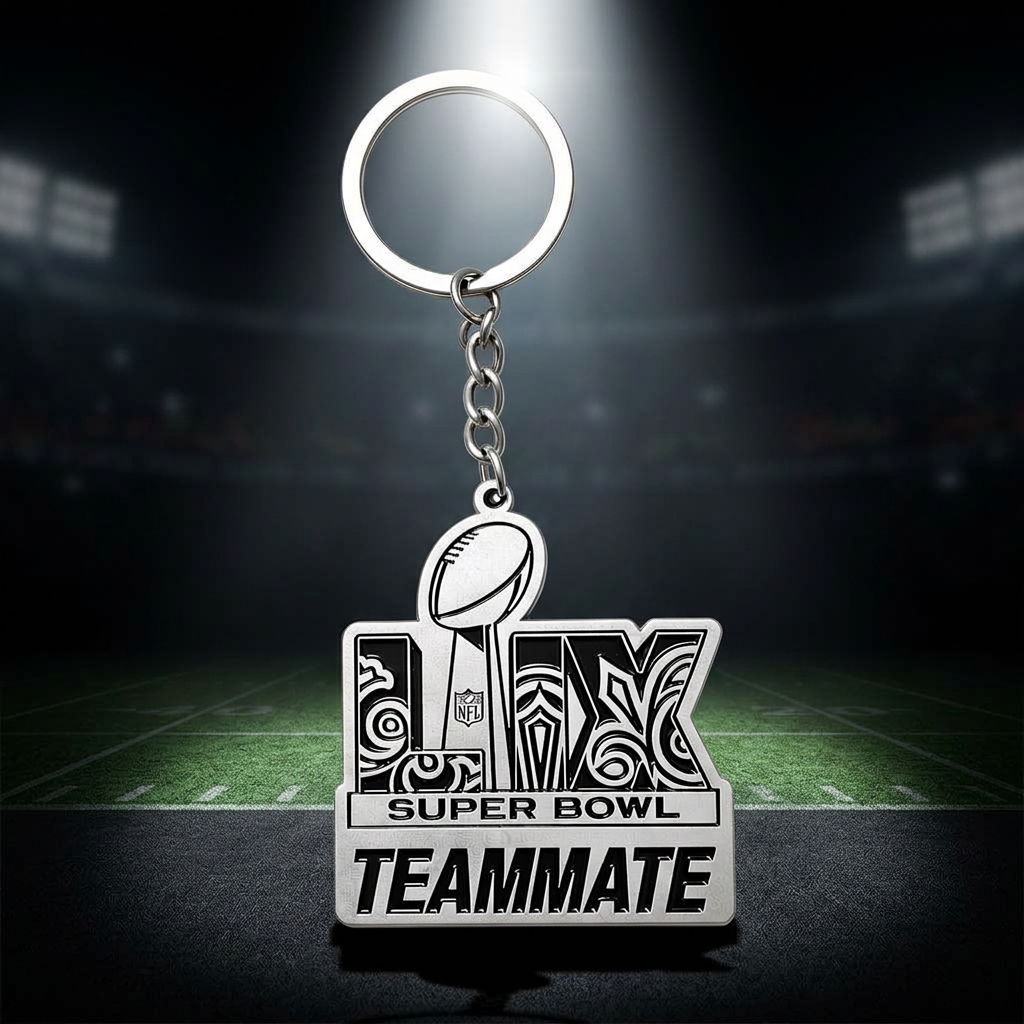
To ensure production accuracy, always provide vector artwork in AI, EPS, or PDF formats. For photorealistic designs, 300 DPI PNG files with transparent backgrounds are acceptable. Designs must account for the “physical line width” of the metal; extremely thin lines (less than 0.3mm) may not translate well into metal. 2D designs are cost-effective for text and logos, while 3D designs are necessary for sculptural, high-relief effects that maximize visual impact.
Strategic Selection Matrix:
Target Industry / Scenario Recommended Configuration Strategic Rationale
Automotive / Motorsports Zinc Alloy + Soft/Hard Enamel + Polished/Antique Plating Emphasizes durability and 3D depth. Used for dealer gifts, owner loyalty programs, and racing team memorabilia.
Corporate / Anniversary Hard Enamel + Polished/Brushed Plating Projects formality, prestige, and longevity. Ideal for client gifts, employee recognition (5/10/25 years), and trade show giveaways.
Real Estate / Hospitality Stainless Steel/Zinc + Brushed/Laser Etched Focuses on minimalist elegance and utility. Commonly used as high-end property closing gifts, VIP hotel room keys, or staff ID attachments.
Tourism / Cultural Retail Zinc Alloy + Soft Enamel + Antique Plating Highlights artistic and cultural motifs. The vintage finish enhances the “souvenir” appeal and justifies higher retail margins in museum and attraction shops.
V. B2B Procurement Strategy and Risk Mitigation
Understanding Cost Drivers:
• Tooling (Mold) Fees: Complex 3D or hollowed-out designs require custom steel molds, incurring a one-time, non-refundable tooling fee. Simple 2D stamped designs often qualify for “mold-free” production. The mold is a capital investment; once paid for, it is retained by the factory for future repeat orders at no additional cost.
• Minimum Order Quantities (MOQs): While some factories offer low MOQs (as low as 50-100 pieces) for sampling or small startups, significant per-unit cost reductions are achieved at volume tiers (1,000+ units).
• Lead Times: A standard production cycle includes 3-5 days for pre-production samples and 7-12 days for bulk manufacturing after sample approval. Always factor in additional time for international shipping and quality inspection.
Standardized Procurement Workflow:
1. Requirement Definition: Submit artwork and specify material, size, plating, and color-filling preferences.
2. Quotation & Tech Pack Review: Evaluate the supplier’s cost breakdown, mold fees, and lead time estimates.
3. Digital Proofing: Approve a 3D rendering or flat mockup to verify scale, layout, and color placement.
4. Physical Sample Approval (Golden Sample): For orders exceeding 1,000 units, insist on a physical pre-production sample to validate weight, finish, and construction before committing to the full run.
5. Mass Production & QC: Upon sample sign-off, the factory commences bulk production. Implement a quality control plan (e.g., AQL 2.5 inspection standard) to check for plating defects, color consistency, and secure keyring attachment.
6. Packaging & Logistics: Ensure products are individually poly-bagged or presented in custom gift boxes to prevent transit damage.
Conclusion: Engineering a High-Value Brand Touchpoint
A custom metal keychain is a high-frequency, high-visibility touchpoint that operates at the intersection of utility and brand storytelling. Its inherent durability ensures a long service life, providing a sustained return on your marketing investment. For the B2B procurement professional, success lies in moving beyond simple price comparison to a deeper understanding of metallurgical properties, finishing techniques, and design-for-manufacture principles. By applying the strategic insights outlined in this guide, you can source a product that not only meets your budgetary requirements but also serves as a miniature ambassador for your brand’s commitment to quality and excellence in the global marketplace.
Ready to elevate your brand with premium custom metal keychains? Contact us today to get a free quote and 3D digital proof!