Welcome to hykeychain.com

How to Elevate Your Apparel Line with Custom Sequin Patches: A Professional B2B Sourcing Guide

In today’s saturated global apparel market—spanning streetwear labels in North America, kidswear brands across Southeast Asia, minimalist fashion houses in Japan and South Korea, and festive occasion wear in the MENA region—standing out requires more than just cut-and-sew innovation. For brands looking to add instant visual appeal, boost price premiums, and drive organic social media engagement, custom sequin patches deliver unmatched ROI compared to standard screen printing or basic embroidery. Their light-refracting shimmer and dynamic movement transform even the most basic blank tees, denim jackets, or tote bags into eye-catching hero pieces. Yet many brands encounter costly pitfalls during production: outdated designs, premature sequin shedding, cheap-looking finishes, or improper adhesion that leads to high return rates. This guide breaks down the core types of sequin patches, professional process pairings, backing selection, and design best practices to help you source high-quality, market-ready embellishments tailored to your target audience.
I. Three Core Sequin Patch Types for Targeted Market Positioning
Sequin patches are not a one-size-fits-all product. Each type aligns with specific brand positioning, target demographics, and regional aesthetic preferences:
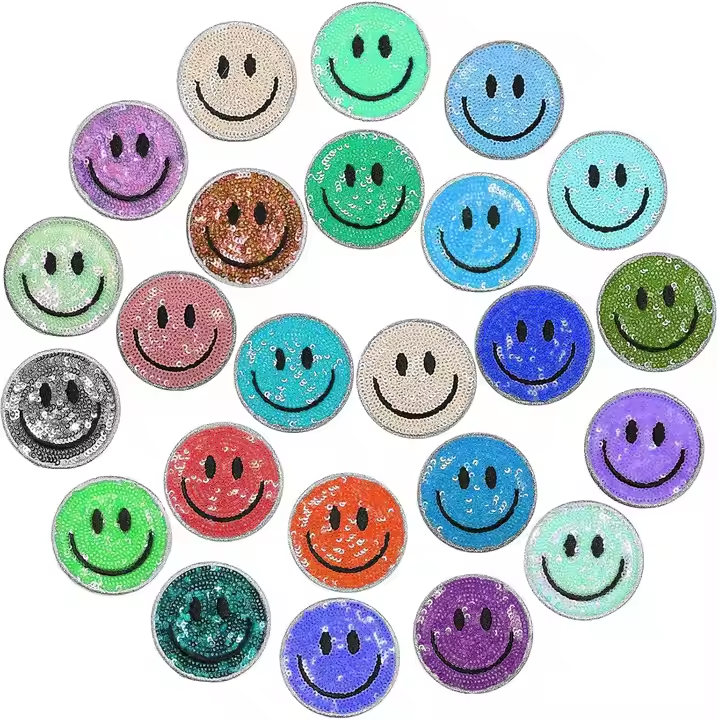
1. Solid & Multi-Color Standard Sequin Patches
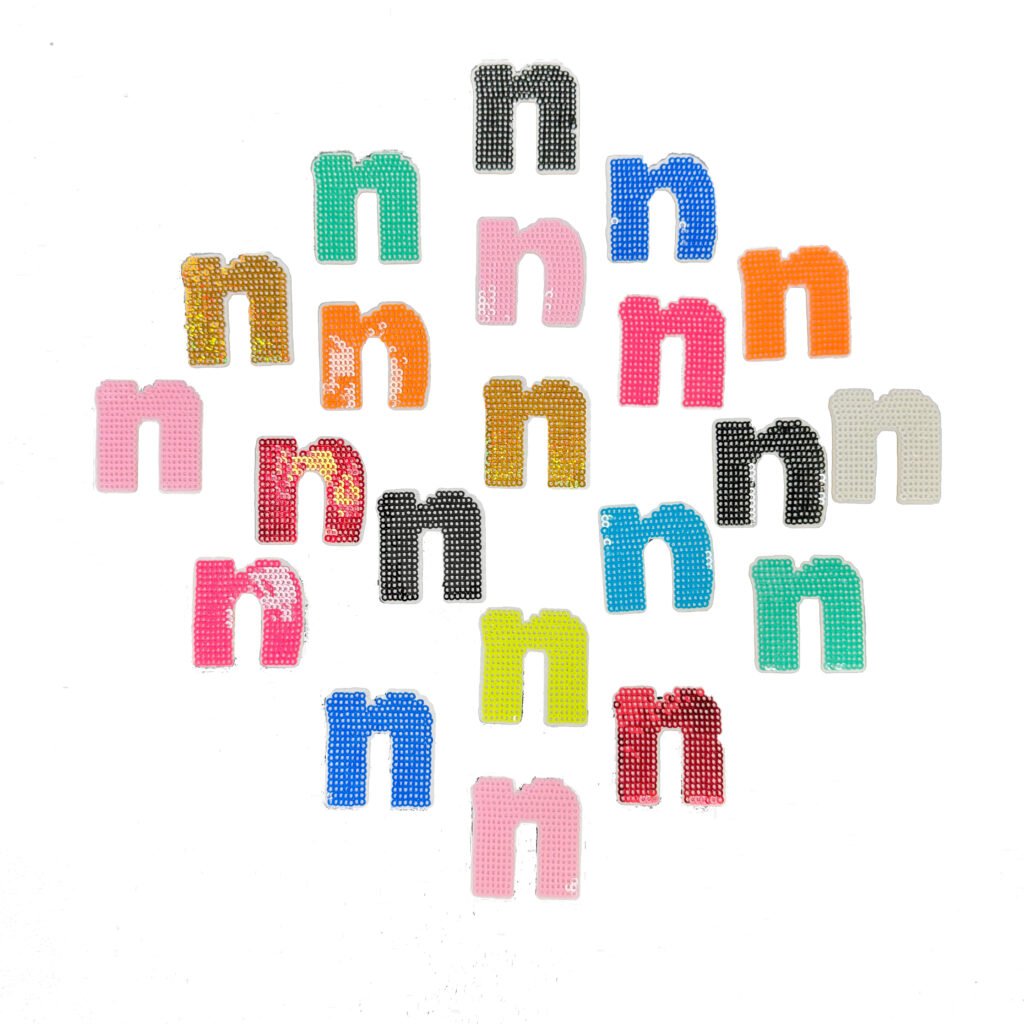
The most versatile and cost-effective option, these patches feature uniformly sized sequins arranged in monochromatic palettes or coordinated color blocks. The flat, densely packed surface delivers consistent shine and a substantial hand feel. They excel at covering large graphic areas, bold logo lettering, geometric patterns, and all-over garment accents. This style is a staple for everyday casualwear across European markets, tote bags for Southeast Asian lifestyle brands, stage costumes for MENA entertainment venues, and holiday-themed collections (think Lunar New Year in Asia or Christmas in Western markets). It strikes the ideal balance between production cost and visual impact, making it the default choice for high-volume wholesale orders.
2. Reversible Double-Sided “Magic” Sequin Patches
A breakout hit in global kidswear and Gen Z-focused streetwear, these patches use sequins with two different colored sides. A simple swipe of a finger flips the sequins to reveal the alternate hue, turning a static design into an interactive experience. This interactivity drives organic social media shares—TikTok videos of users playing with reversible sequin patches regularly rack up millions of views—making it a powerful tool for viral marketing. For kidswear brands in markets like the U.S., South Korea, and Indonesia, this feature significantly boosts product stickiness and repurchase rates. It is also a go-to for limited-edition collab pieces targeting young consumers who prioritize playful, shareable design details.
3. Hybrid Embroidery-Sequin Patches
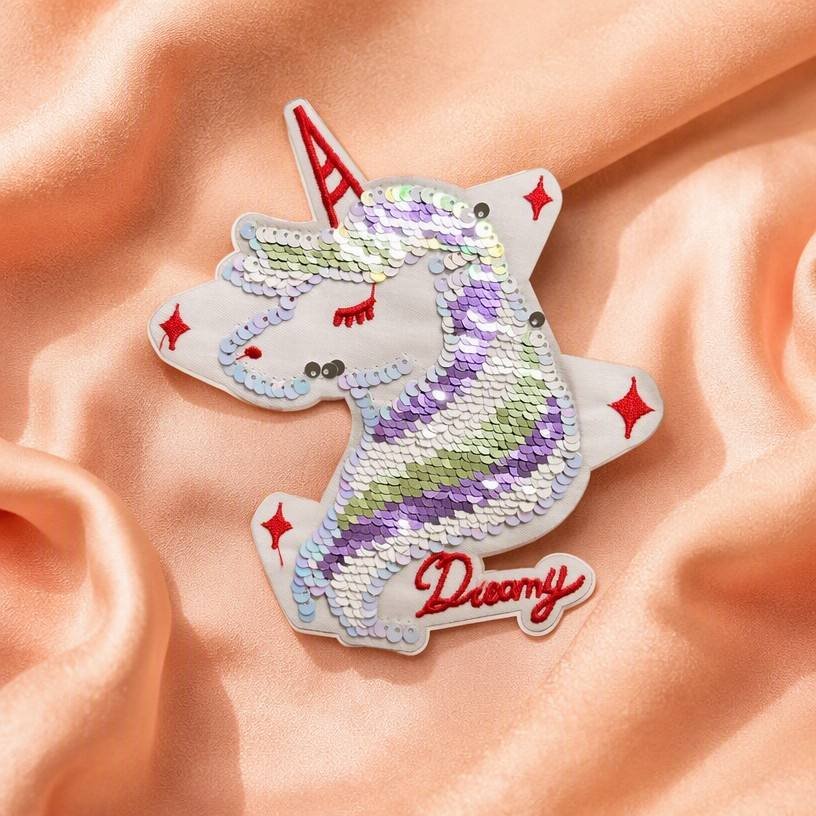
Pure sequin patches often lack the fine detail needed for premium applications. High-end collections solve this by combining precision embroidery with sequin infills: embroidery handles intricate outlines, small text, and delicate linework, while sequins fill larger color blocks to deliver maximum sparkle. The result is a layered, dimensional finish that elevates perceived value far beyond standalone sequin or embroidery work. This process is favored by luxury streetwear labels in Europe, limited-edition capsule collections for Japanese department stores, and premium kidswear lines in Australia. It is the gold standard for brands looking to position their products in the mid-to-high price tier.
II. Backing Selection: The Make-or-Break Factor for Durability
Sequin material is heat-sensitive and prone to shedding if not properly secured. Choosing the right backing is the single most important factor in reducing after-sales issues, especially for brands selling to markets with strict consumer protection standards like the EU and U.S.
1. Sew-On Backing (Industry Preferred)
Securing patches with heavy-duty nylon thread via full-perimeter stitching is the most durable adhesion method available. It withstands repeated machine washing, abrasive friction, and daily wear without edge lifting or sequin loss. This is the mandatory choice for outerwear, denim jackets, canvas tote bags, and core collection apparel intended for long-term retail sale. For brands supplying to European or North American retailers, sew-on patches consistently deliver the lowest return rates, as they meet rigorous AATCC (American Association of Textile Chemists and Colorists) wash fastness standards.
2. Iron-On (Heat-Activated) Backing
Pre-coated with thermoplastic adhesive, these patches enable fast, tool-free application—ideal for fast-fashion seasonal drops, event merchandise, or low-wear decorative pieces. However, strict application rules apply: never place a hot iron directly on the sequin surface, as temperatures above 120°C will melt, warp, or dull the sequins. Always apply heat from the reverse side of the garment using a pressing cloth. This option is not recommended for long-term wear items, nor for heat-sensitive fabrics like nylon, waterproof technical textiles, or the synthetic blends common in Southeast Asian activewear.
3. Velcro & Peel-and-Stick Backings
These no-sew, no-iron options allow for quick patch swapping, making them suitable for costume design, cosplay apparel (popular across Japan, South Korea, and North America), holiday pageants in MENA markets, and short-term promotional wear. Peel-and-stick variants use pressure-sensitive adhesive and are strictly for temporary use—they are not machine washable and will degrade within weeks of regular handling. Velcro-backed patches offer slightly better longevity but still cannot withstand repeated laundering, so they are best reserved for non-apparel applications or disposable costume pieces.
III. Professional Design Guidelines & Common Pitfalls to Avoid
Translating a digital design into a physical sequin patch requires adapting to the material’s physical limitations. Follow these rules to avoid costly sampling revisions:
1. Prioritize Bold, Simple Shapes
Standard sequin sizes are 3mm (1/8”) and 5mm (3/16”) in diameter—far too large to render ultra-fine lines or intricate small details. Designs with thin strokes, tiny text, or fragmented elements will result in misaligned sequins, blurred edges, and distorted final products. Stick to a “large color blocks, thick lines, minimalist silhouettes” rule: lettering should be at least 5mm tall, and all critical design elements should sit at least 3mm away from the patch edge. This ensures clean, accurate production across all order volumes.
2. Insist on Professional Edge Locking
Sequin shedding almost always starts at the patch perimeter. Reputable manufacturers use laser-sealed edges or tight overlocking stitches to permanently secure the outermost row of sequins, preventing fraying, thread breakage, and premature loss. Smooth, rounded edges free of loose threads are a key differentiator between professional-grade suppliers and low-cost workshops. For brands supplying to markets like Japan or Germany—where consumers have high expectations for finish quality—specifying a minimum edge stitch density in your purchase agreement is a smart risk-mitigation step.
3. Standardize Care Instructions
Proper care extends patch lifespan significantly. All sequin-embellished garments should be washed inside out, placed in a mesh laundry bag, and laundered on a gentle cycle with cold water. Avoid chlorine bleach, high-heat tumble drying, aggressive wringing, and prolonged direct sunlight exposure—all of which can fade sequins, weaken adhesives, or warp plastic components. Including clear care labels aligned with regional norms (e.g., GINETEX symbols for European markets, simple pictograms for Southeast Asian markets) reduces consumer misuse and lowers return rates.

IV. Conclusion: Turn Sparkle into Sustainable Brand Value
Custom sequin patches are far more than a decorative afterthought—they are a strategic product development tool that bridges material science, process innovation, and consumer psychology. For brands targeting diverse global markets, the right sequin patch can align with regional aesthetic preferences: bold, colorful designs for Southeast Asian kidswear, minimalist monochrome accents for Japanese streetwear, opulent gold-and-embroidery combinations for MENA festive wear, and interactive reversible styles for North American Gen Z labels. By selecting the right patch type, backing method, and design parameters, you can transform a low-cost embellishment into a key driver of product differentiation and price premium.
Ready to add show-stopping sparkle to your next collection? Our team offers complimentary vector design renderings, physical samples, and flexible MOQs to support everyone from emerging DTC brands to established global retailers. Send us your artwork today to get started—your next hero product is just one sequin patch away.