Welcome to hykeychain.com

Chenille Patches (Towel Embroidery) B2B Sourcing Guide: Reinventing Retro Texture & Product Premiums

For procurement managers and brand owners serving streetwear, retro apparel, campus merchandise, and premium workwear markets across North America, Europe, Southeast Asia, and the MENA region, custom chenille patches—colloquially known as towel embroidery—have emerged as a high-ROI embellishment to differentiate product lines and justify price premiums. Their signature three-dimensional pile texture and nostalgic tactile warmth have made them a staple for varsity jackets, oversized hoodies, canvas tote bags, and team uniforms.
Yet many buyers incur unnecessary costs by confusing process specifications, selecting subpar substrates, or overlooking region-specific compliance requirements. This comprehensive guide distills core selection logic and customization workflows to streamline your sourcing decisions and minimize supply chain risks when purchasing chenille patches.
I. Process Decoding: The Technical Core of 3D Pile Texture
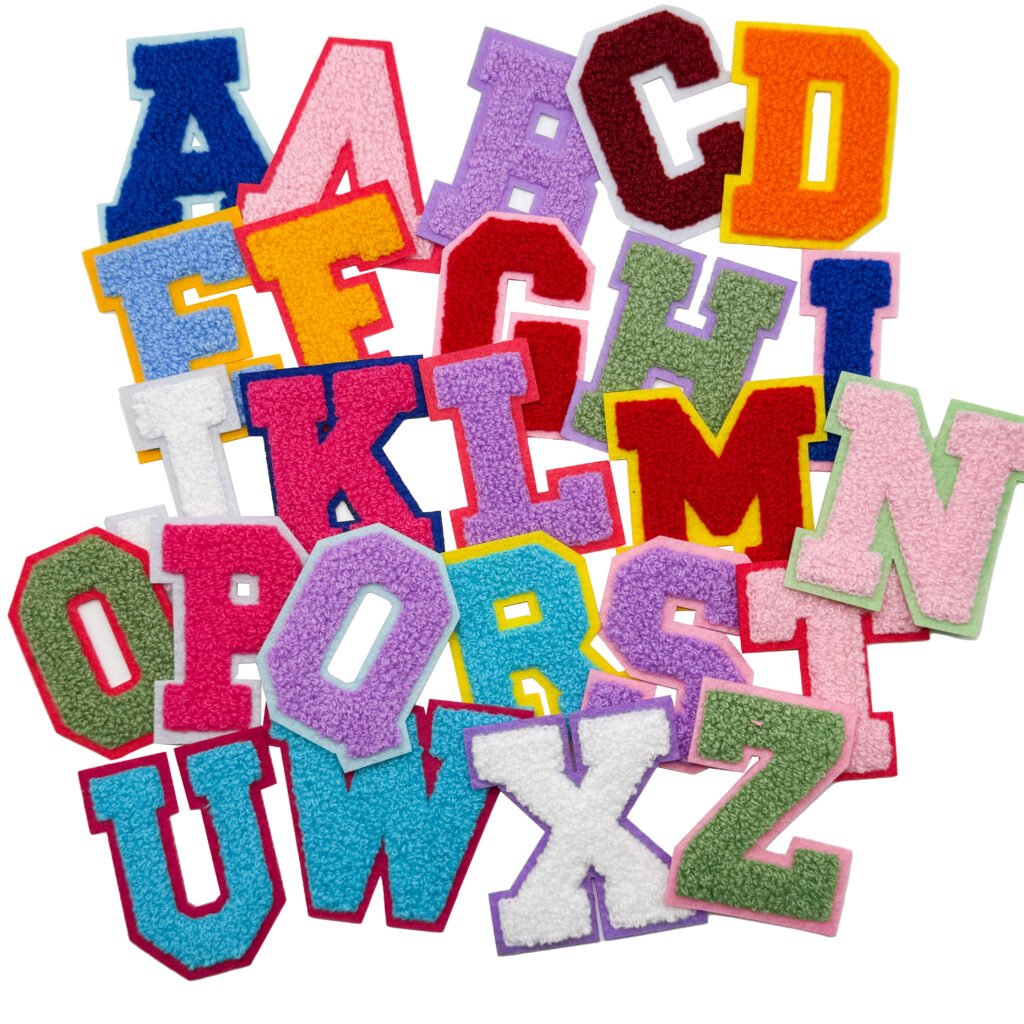
Chenille patches fall under the category of specialty three-dimensional embroidery. Unlike flat embroidery, they utilize a dedicated tufting needle mechanism to loop and lock threads into a dense, towel-like pile. This unique raised texture is impossible to replicate with standard stitching, delivering a retro aesthetic that resonates with consumers across global markets: from varsity-inspired streetwear in North America to minimalist retro hoodies in Japan and campus merchandise in Southeast Asia.
Substrate Selection Dictates Structure
The pile on chenille patches is inherently soft, so structural integrity depends entirely on the base substrate:
- Felt Backing: Offers rigid support, resists curling, and maintains crisp edges. It is the cost-effective choice for campus letter patches, bold graphic designs, and high-volume orders for Southeast Asian school merchandise or European streetwear labels.
- Patent Leather/Leather Backing: Delivers a luxury hand feel with superior edge support and water resistance. It is the preferred option for high-end streetwear collabs, limited-edition drops, and premium workwear in the MENA region and Japan, where refined finishes are prioritized.
Hybrid Processes Balance Texture & Detail
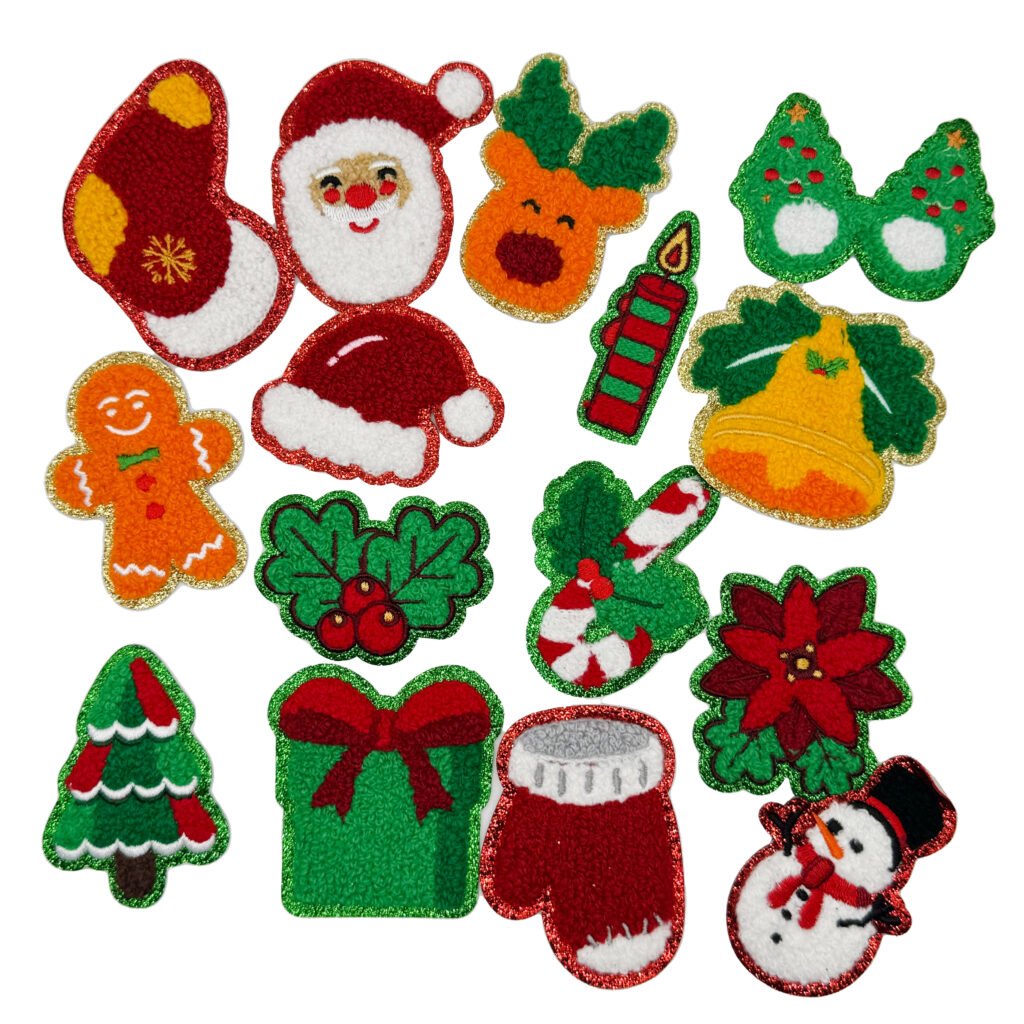
To marry the plush texture of chenille patches with the precision of flat embroidery, premium custom orders almost universally adopt a chenille + flat embroidery hybrid process. Large color blocks, letter backgrounds, and retro motifs are filled with chenille, while fine logos, micro-text, and outline details are executed with flat embroidery. This combination preserves the nostalgic warmth of chenille while ensuring legibility of small design elements—a gold standard for high-end streetwear brands in North America and Europe.
II. Backing Selection & External Compliance Standards
Backing choice directly determines patch lifespan and compliance with regional care expectations. Specify based on end-use and target market:
- Sew-On (Preferred for All Long-Term Wear): Secured via perimeter stitching, this method withstands high tensile force, repeated machine washing, and daily abrasion without lifting or shedding. It is the mandatory choice for premium apparel, heavyweight fabrics (e.g., denim jackets in North America, wool coats in Europe), and core collection products with low return rate requirements.
- Iron-On Heat Seal: Pre-coated with thermoplastic adhesive for fast, tool-free application—ideal for fast-fashion drops in Southeast Asia or short-run promotional merchandise. (Critical warning: Never apply direct heat to the pile surface, as temperatures above 120°C will melt, flatten, or discolor the fibers. Always heat-press from the reverse side of the garment using a protective cloth).
- Velcro Hook Backing: Allows for tool-free removal and replacement, designed for tactical gear, sports team uniforms (e.g., U.S. high school varsity teams, MENA military-adjacent merchandise) and equipment requiring interchangeable identifiers.
- Peel-and-Stick Adhesive: Temporary, pressure-sensitive backing for non-washable applications such as trade show displays, window merchandising, or short-term event decor. Not suitable for apparel.
For export orders, compliance must be prioritized at the RFQ stage to avoid customs seizures or market bans. Reputable suppliers must ensure threads and materials comply with official EU RoHS and REACH environmental regulations to guarantee complete compliance across international markets. Additionally, if you are expanding your promotional catalog with alternative branding items, you can explore our collection of custom PVC keychains for lightweight options.
III. Standardized Customization Workflow & Risk Mitigation
Follow this industry-standard SOP to avoid costly revisions when ordering chenille patches:
- Submit vector artwork (AI/PDF/CDR format; raster images must be 300 DPI at final size).
- Match colors to the Pantone Matching System (PMS) for cross-market consistency.
- Request physical pre-production samples (lead time: 3–7 days). Key inspection points: pile density, edge locking (to prevent thread shedding), and color accuracy.
- Bulk production (lead time: 7–12 days post-sample approval).
- Full quality inspection prior to shipment.
Procurement Red Flags to Avoid
- Prioritize Factory Audits Over Price Matching: Source directly from manufacturers with in-house R&D capabilities rather than trading companies to ensure process control and cost-efficiency.
- Sample Inspection Checklist: Require samples to meet quantifiable standards: minimum 12,000 stitches per letter, fully sealed edges to prevent pile shedding, and back adhesive pull strength ≥5kg (for iron-on/Velcro variants).
- Supplier Stability Metrics: Prioritize vendors with an on-time delivery rate ≥98% and reorder rate >30%—these indicate reliable capacity and consistent quality.
- Complex Design Rule: Never use pure chenille for designs with fine lines (<2mm) or micro-text. Always opt for the chenille + flat embroidery hybrid process to preserve detail clarity.
Conclusion: Maximizing Commercial ROI
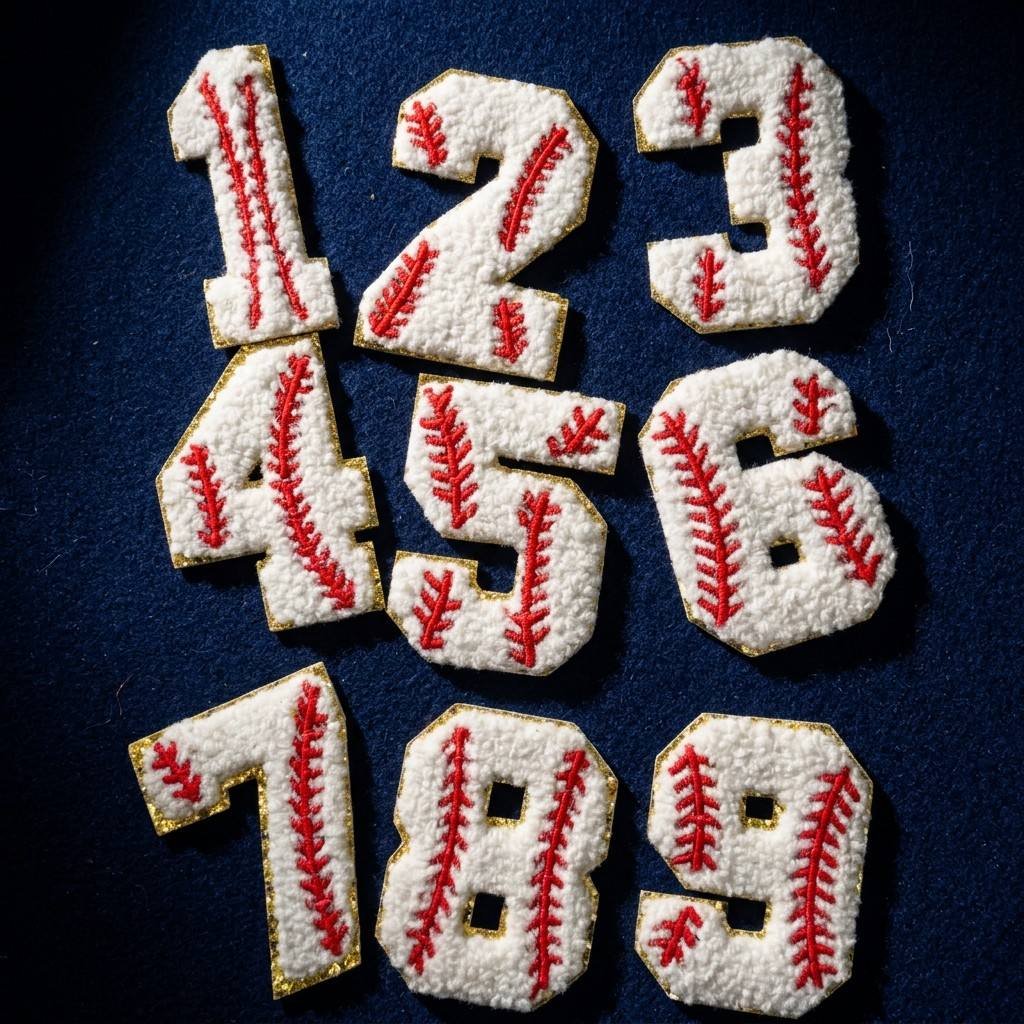
Chenille patches offer a unique combination of tactile nostalgia and visual depth that helps apparel brands break through market saturation and capture premium pricing. From substrate selection and process hybridization to compliance alignment and supplier vetting, every decision directly impacts final product quality and cross-border market viability. For brands targeting diverse global audiences—from varsity streetwear in Los Angeles to campus merch in Kuala Lumpur, luxury hoodies in Seoul, and premium workwear in Dubai—mastering the sourcing of chenille patches is a strategic lever for sustainable growth.