Welcome to hykeychain.com
The Definitive B2B Sourcing Guide to 4 Core Custom Patches Processes: Selection Logic & Global Compliance Standards

For procurement managers, brand owners, and product developers serving streetwear labels in North America, workwear brands in Europe, campus merchandise suppliers in Southeast Asia, and tactical gear distributors across the MENA region, custom patches have evolved far beyond basic uniform identifiers. Today, they serve as core visual assets for streetwear drops, athletic apparel lines, industrial workwear collections, and corporate gifting programs.
The choice of material and manufacturing process directly dictates a patch’s tactile quality, durability, scenario adaptability, and bulk production cost. The four dominant processes in the global market—soft PVC, classic embroidery, fashion sequin, and retro chenille—each carry distinct technical strengths and specialized use cases. This comprehensive guide breaks down each process across four dimensions to provide a clear selection framework and help buyers source high-quality custom patches successfully.
I. Core Manufacturing Processes for Custom Patches
The perceived value of custom patches is determined predominantly by substrate material and surface treatment. Four mature industrial processes cater to the full spectrum of market needs.
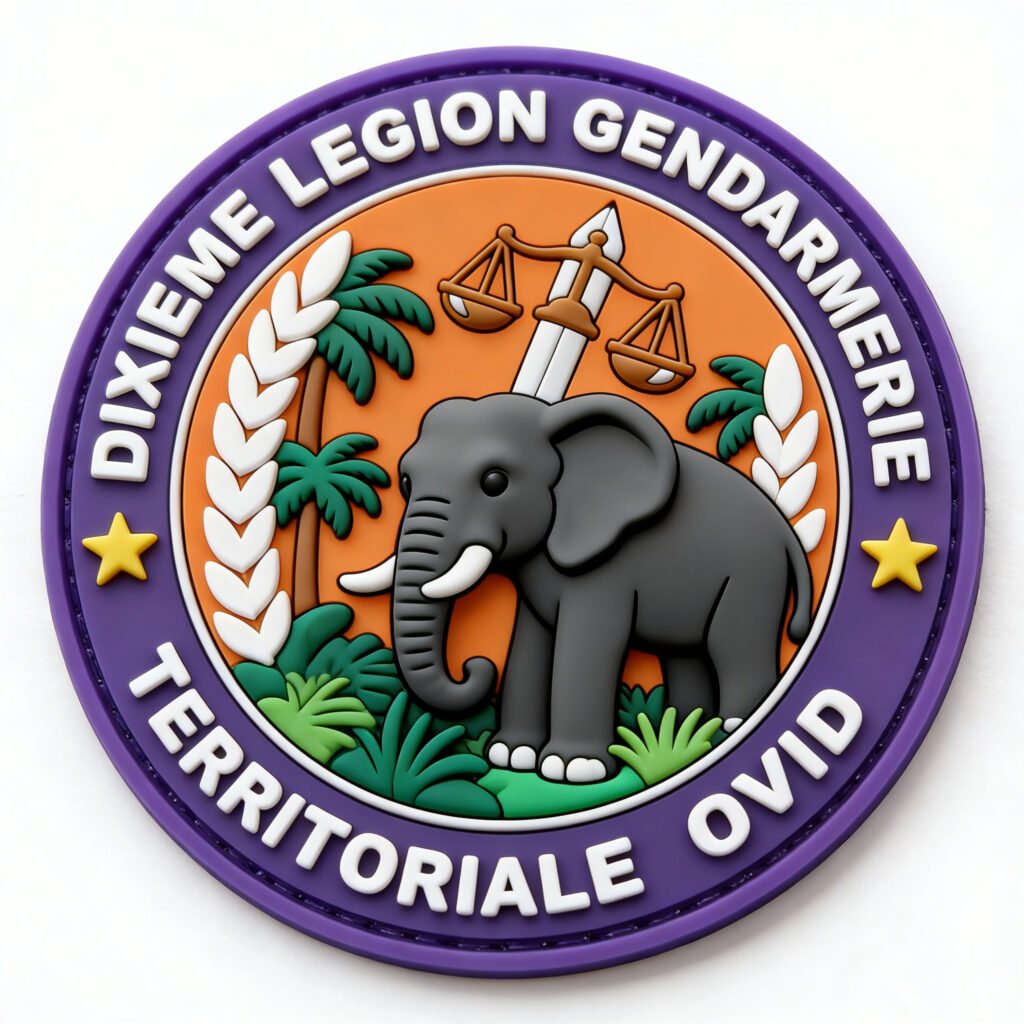
1. Soft PVC Patches
Soft PVC custom patches are produced via liquid PVC injection into precision-engineered molds, yielding crisp edges, distinct layering, and optional 2D flat or 3D raised effects. Their core competitive advantage lies in exceptional physical performance: they are fully waterproof, UV-resistant, and tolerant of extreme temperatures (-30°C to 80°C).
This process is the default choice for outdoor gear, tactical uniforms, hiking jackets, and expedition backpacks. Compliant formulations are non-toxic and meet global safety benchmarks including RoHS, REACH, and California Proposition 65.
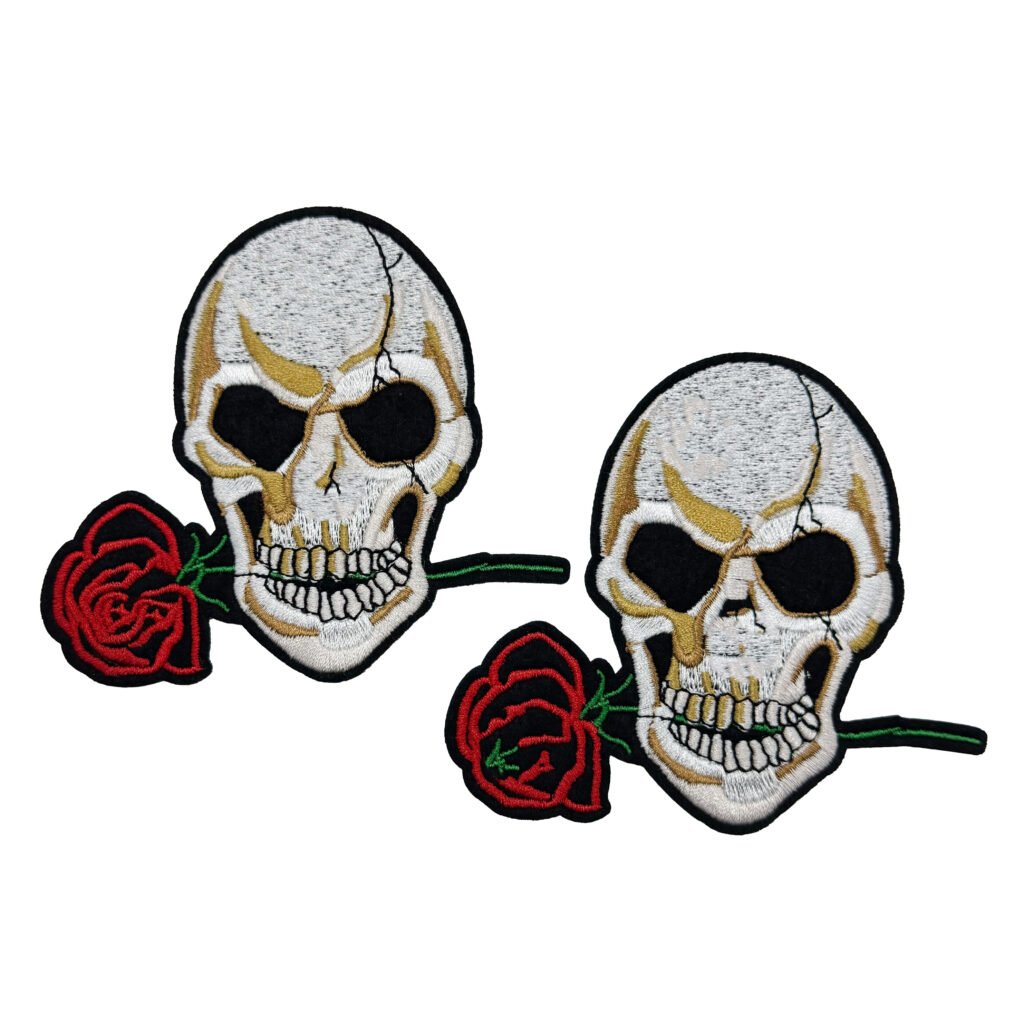
2. Classic Embroidered Patches
Embroidered custom patches remain the most widely recognized and adaptable process globally. They are constructed via high-density lockstitching onto durable twill or felt backings, delivering a substantial hand feel that balances vintage charm and professional polish.
Compliant threads carry OEKO-TEX Standard 100 certification, guaranteeing skin-safe, toxin-free performance—a mandatory requirement for children’s apparel in Japan, South Korea, and the EU. They are the preferred choice for corporate workwear, team uniforms, and promotional merchandise.
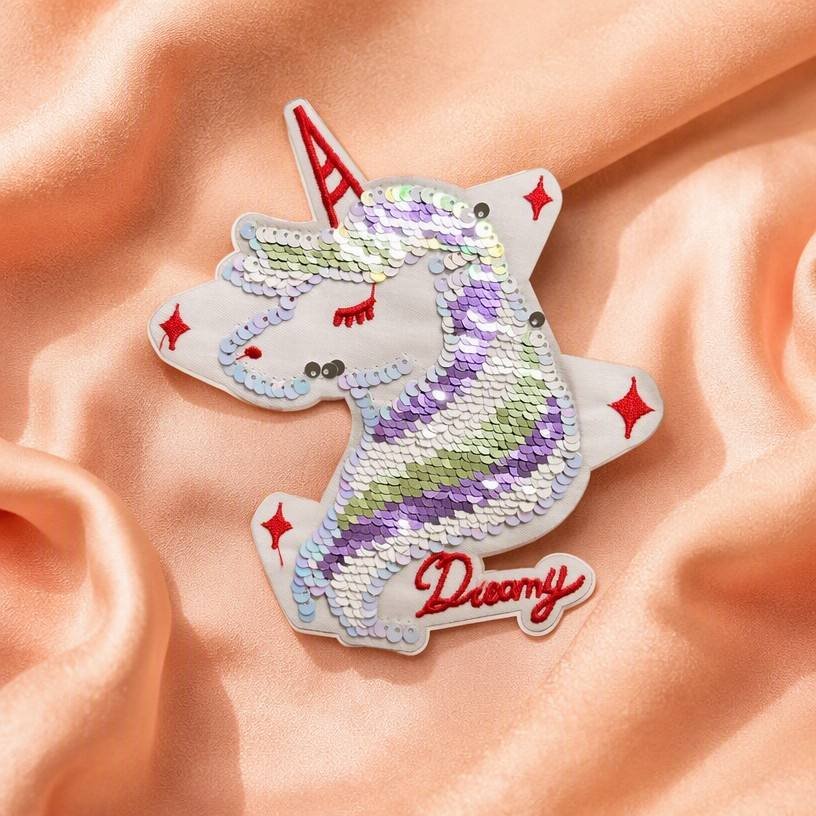
3. Fashion Sequin Patches
Sequin custom patches are high-impact embellishments designed to elevate apparel’s retail premium and social media shareability. Modern manufacturing uses automated machinery to secure high-gloss, chrome-plated sequins to fabric backings—with reversible double-sided variants enabling color-shifting effects.
Contemporary production uses lead-free, non-toxic plating that complies with U.S. CPSC and EU textile safety standards. For brands targeting younger demographics, sequin designs are a proven tool for creating viral hero products.
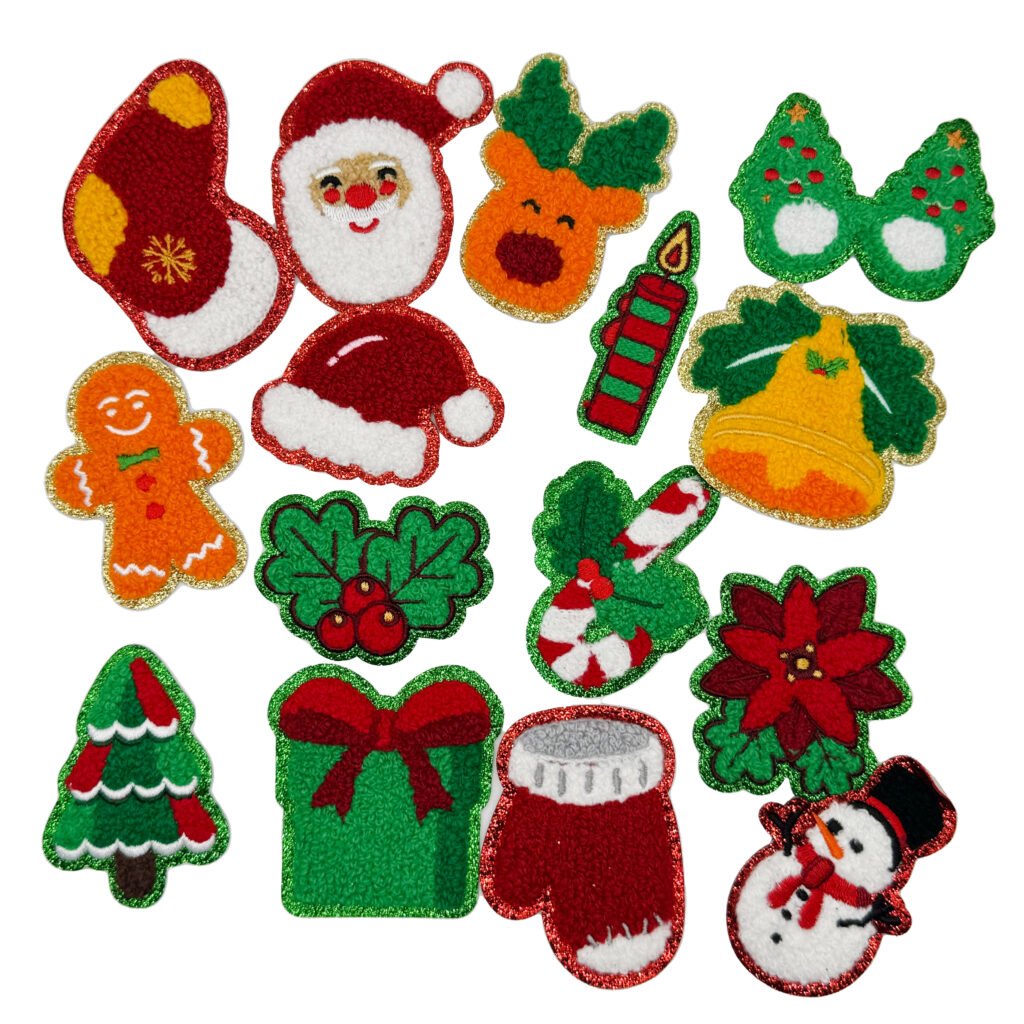
4. Chenille (Towel Embroidery) Patches
Chenille custom patches use specialized tufting needles to stack dense loops of thread onto reinforced felt backings, creating a soft, three-dimensional pile texture. The tactile warmth and retro dimensionality are unmistakable hallmarks of American varsity style, making them irreplaceable for collegiate merchandise and Japanese retro streetwear.
Compliant products carry OEKO-TEX and REACH certifications, meeting strict safety requirements for European and East Asian markets.
II. Strategic Material Selection and External Standards
A common procurement dilemma involves choosing between different materials. When evaluating export requirements, ensure your suppliers adhere to official EU RoHS and REACH environmental regulations to guarantee complete compliance across international markets.
Additionally, if you are expanding your product catalog or comparing alternative branding accessories, you can explore our range of custom PVC keychains for lightweight promotional options.
III. Attachment Methods & Sourcing Best Practices for Custom Patches
Selection of attachment methods must align with garment material and usage frequency:
- Heat-seal adhesive: Ideal for high-volume retail apparel production, offering fast application. (Never apply direct heat to sequin or chenille surfaces).
- Velcro backing: Designed for tactical gear and law enforcement uniforms, enabling quick identifier swaps.
- Sew-on: The most durable option, withstanding repeated machine washing and heavy abrasion for long-wear apparel.
For supply chain management, prioritize vertically integrated OEM/ODM factories holding ISO9001, SGS, RoHS, REACH, OEKO-TEX, and California Proposition 65 certifications.
Conclusion: Maximizing Commercial ROI
From outdoor-durable soft PVC and cost-efficient classic embroidery to trend-driven sequins and premium retro chenille, each process follows a distinct application logic. Successful procurement of custom patches requires aligning process selection with target audience expectations, usage scenarios, and budget constraints to maximize both design impact and commercial ROI.