Welcome to hykeychain.com
Embroidered Patches B2B Custom Sourcing Guide: The Identification Solution for Vintage Premium Texture and Long-Term Brand Exposure

Introduction
In the realms of streetwear fashion, tactical outdoor apparel, team uniform standardization, and cultural merchandise development, sourcing the right customized embroidered patches directly determines product grade and brand positioning.
Compared to the plastic texture of PVC soft rubber patches or the pain point of cracking in printed graphics, customized embroidered patches—with their native fabric texture brought by high-density thread weaving, classic vintage atmosphere, and exceptional durability—have always been the highest-quality and most widely recognized identification process in B2B procurement.
When international brands look to upgrade their apparel lines, investing in high-quality customized embroidered patches becomes a top strategic priority.
This article provides brand owners and procurement managers with a professional decision-making framework for sourcing customized embroidered patches from five dimensions: process principles, core advantages, stitching method selection, customization details, and procurement risk control.
I. Process Analysis: The Industrial Aesthetics of Thread Weaving
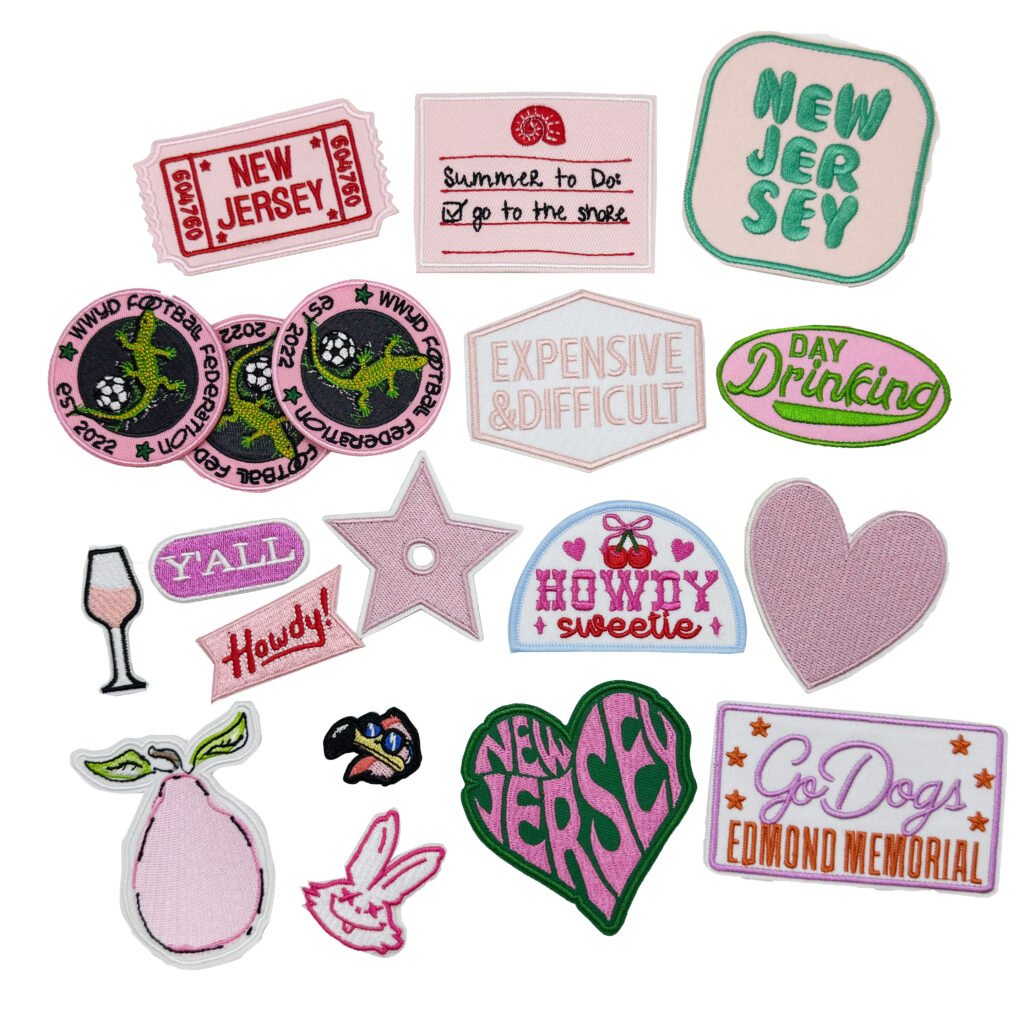
At its core, every order of customized embroidered patches represents a fabric badge created by high-density weaving of colored embroidery threads onto specialized base fabrics according to design drawings, using computer-controlled precision embroidery machines.
Their greatest characteristic lies in the “native fabric texture”—customized embroidered patches do not exhibit the plastic reflectivity or stiff heaviness of synthetic alternatives, blending seamlessly with fabric materials such as garments, backpacks, and caps.
This makes customized embroidered patches the most natural and premium decorative solution among garment accessories.
In terms of finished structure, the backing for customized embroidered patches can be paired with four different processes: hook-and-loop (Velcro) fasteners, heat-seal adhesive, self-adhesive, or sew-on backing.
This accommodates various attachment methods including adhesion, ironing, and stitching, meeting fixation needs across different scenarios.
II. Core Advantages: Why Customized Embroidered Patches Are Preferred
- Vintage Premium Texture Embroidery inherently possesses a fine stitch texture, with soft color transitions and naturally layered three-dimensional effects. This unique fabric vintage texture gives customized embroidered patches a low-key, premium appearance when worn, serving as a signature element of streetwear, workwear, and outdoor styles. It directly elevates the overall grade and design sense of clothing and equipment.
- Durable and Washable, Long-Lasting as New High-quality, high-density embroidery features tight stitching, full thread coverage, and neat overlocked edges. Customized embroidered patches can withstand repeated machine washing, outdoor friction, and long-term wear without thread loosening, fraying, or deformation. Their service life far exceeds that of flat processes such as heat transfers and screen prints.
- Versatile Compatibility Across All Scenarios Fabric for customized embroidered patches is soft, lightweight, and highly conformable, adapting to virtually all textile materials including technical outerwear, work jackets, denim, tactical vests, baseball caps, and canvas bags. They do not bubble, stiffen, or appear obtrusive, perfectly integrating into various styling preferences and usage environments.
- Flexible Installation and Reusability When paired with hook-and-loop backing, customized embroidered patches can be freely detached and replaced, balancing the needs of permanent fixation (sewing/heat-seal) with long-term DIY customization. This flexible installation method endows products with both practicality and high playability. Furthermore, premium manufacturers ensure compliance with international standards such as RoHS and REACH, as well as safety verifications from agencies like the CPSC.
III. Selection Logic: Mainstream Stitching Methods and Density Grading
In B2B procurement, clarifying the choice of stitching method and density for customized embroidered patches is key to balancing cost and effect.
There are three mainstream stitching methods:
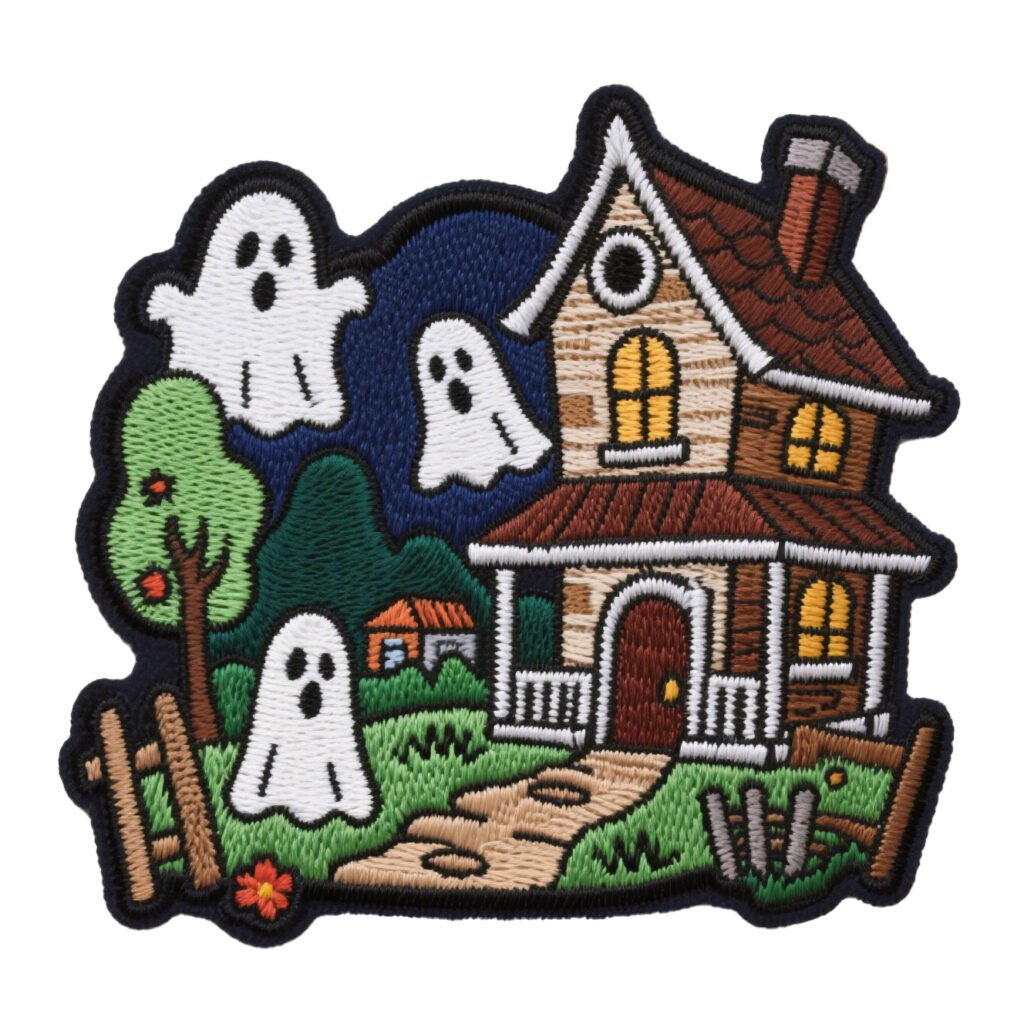
- Flat Embroidery is the most basic and versatile process on the market for customized embroidered patches. With smooth and delicate stitches, clean and clear patterns, it is suitable for regular graphics such as logos, text, and minimalist icons. It offers extremely high cost-effectiveness and stable mass production, making it the standard choice for bulk customization.
- 3D Puff Embroidery, also known as raised embroidery, involves placing foam padding underneath the top stitches to create an elevated, three-dimensional effect. Full and substantial with a strong embossed texture, it is suitable for team badges and premium accessories, delivering excellent premium pricing potential for customized embroidered patches.
- Towel Embroidery presents a fluffy, soft, and slightly nubby texture with a full vintage atmosphere. It is highly suitable for lettering and American retro styles, serving as a differentiating weapon for streetwear brands and campus-style apparel.
Regarding embroidery density, three grades are typically available:
- 50% Sparse Embroidery retains the base fabric texture, presenting a vintage, distressed look with the highest cost-effectiveness.
- 75% Standard Embroidery offers a balanced density that is clean and enduring, making it a versatile bestseller for customized embroidered patches.
- 100% Full Embroidery achieves complete coverage with no blank spaces, appearing full, three-dimensional, and of top-tier quality, suitable for high-end premium merchandise. Procurement professionals should precisely match their selection to brand positioning and budget constraints.
IV. Customization Details and Pitfall Avoidance Guide
The choice of backing process directly determines the installation experience for customized embroidered patches:
- Hook-and-loop backing suits outdoor tactical scenarios for free detachment.
- Heat-seal adhesive backing only requires high-temperature ironing for firm, washable adhesion, making it standard for garments.
- Self-adhesive backing allows instant peel-and-stick application, ideal for temporary decoration.
- Regular sew-on backing is used for permanent fixation on uniforms.
Procurement teams must clarify the usage scenario to avoid mismatches.
Edge finishing for customized embroidered patches must employ heat-cut overlocking or merrow border techniques to prevent thread loosening and fraying, ensuring a neat and rounded shape.
Additionally, micro-innovations can be achieved through specialty threads: glow-in-the-dark and reflective threads suit nighttime safety identification or outdoor scenarios; metallic gold and silver threads elevate the light luxury texture, ideal for high-end limited editions.
Note that customized embroidered patches typically support up to 12 thread color combinations; designs should utilize solid color blocks as much as possible to ensure stitch fidelity.
V. Scenario Adaptation and Procurement Specifications
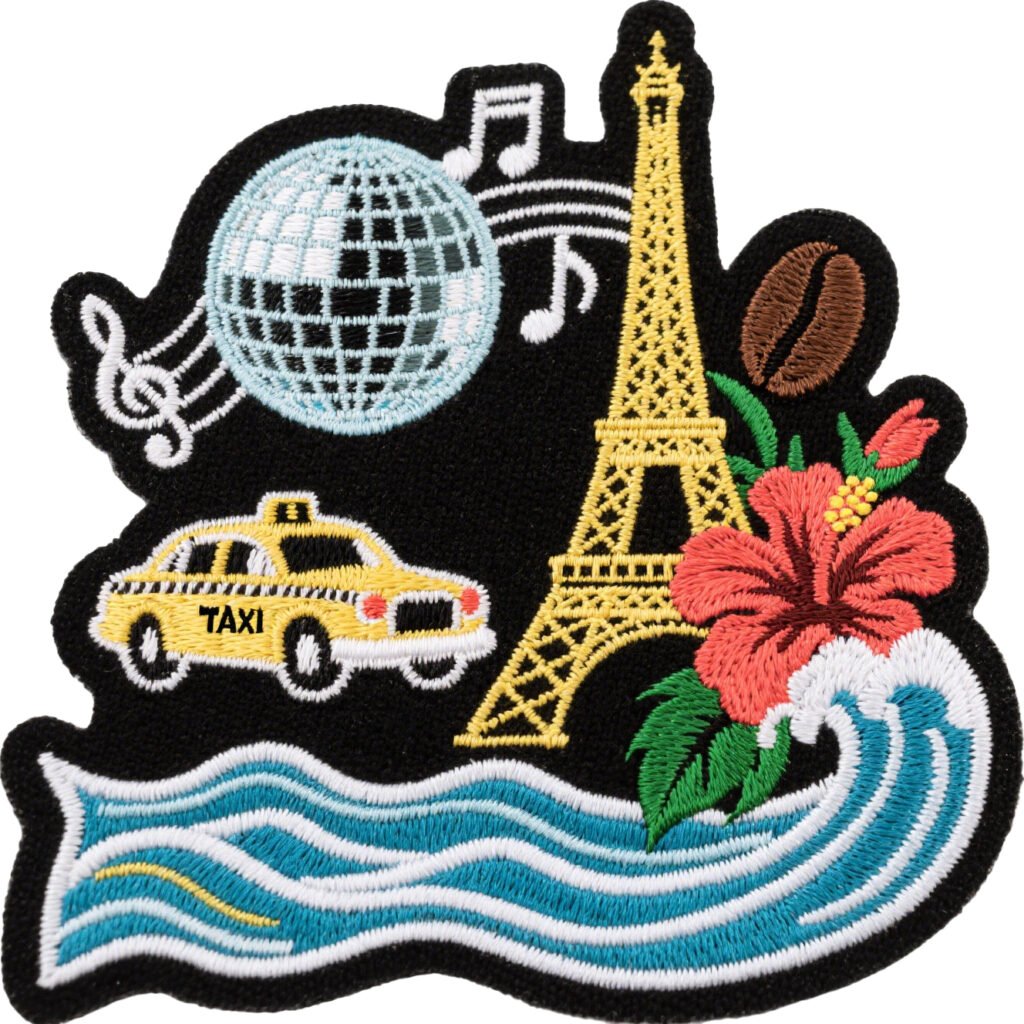
Customized embroidered patches are widely used for morale badges in tactical outdoor settings, garment accessories for streetwear and workwear, team uniform standardization for corporate workwear, and commemorative merchandise for campus clubs and sporting events.
The high-quality texture of customized embroidered patches ensures extremely high user retention rates and wearing frequency, serving as a long-term visual carrier for brand messaging.
In terms of B2B procurement risk control: Minimum Order Quantities (MOQs) for customized embroidered patches typically start as low as 20–50 pieces, supporting both small-batch sampling and mass production with tiered unit price discounts.
Standard lead times are 3–5 days for sampling and 5–12 days for bulk delivery, with expedited scheduling negotiable for urgent orders.
Regarding quality, always confirm that threads are eco-friendly, non-toxic, and feature high color fastness. For high-quality customized embroidered patches from professional factories, a single piece may contain over 35,000 stitches—a key indicator for measuring fineness and durability.
Conclusion
The core competitive advantage of customized embroidered patches lies in their ability to endow brand identifiers with long-lasting vitality through the warmth of needle and thread.
By mastering the differences between flat embroidery, puff embroidery, and towel embroidery, strictly controlling density and edge-locking details, and selecting source factories with environmental certifications, global brands can create premium identification merchandise using customized embroidered patches.
Related Resources: To explore more styles and design options, please visit our main collection page for customized embroidered patches.