Welcome to hykeychain.com
The Ultimate B2B Sourcing Guide: Custom PVC Velcro Patches – Engineering Durability for Tactical, Outdoor, and Corporate Use

In the specialized worlds of tactical operations, outdoor adventure, industrial workwear, and organized club culture, the humble patch serves as a critical identifier. It communicates affiliation, rank, mission status, and brand identity at a single glance.
While traditional embroidered fabric patches once dominated this space, they are susceptible to moisture absorption, fraying, and UV degradation—leading to a premature “worn-out” look. Today, product developers and procurement officers across North America, Europe, and global markets are shifting to a superior alternative: Custom PVC (Polyvinyl Chloride) Velcro Patches.
PVC patches offer a powerful trifecta of benefits: waterproof resilience, hyper-durability, and striking 3D aesthetics. This guide provides a comprehensive breakdown of material science, backing mechanics, and customization technicalities to streamline your sourcing process and mitigate supply chain risks.
I. Product Definition: The Composite Advantage
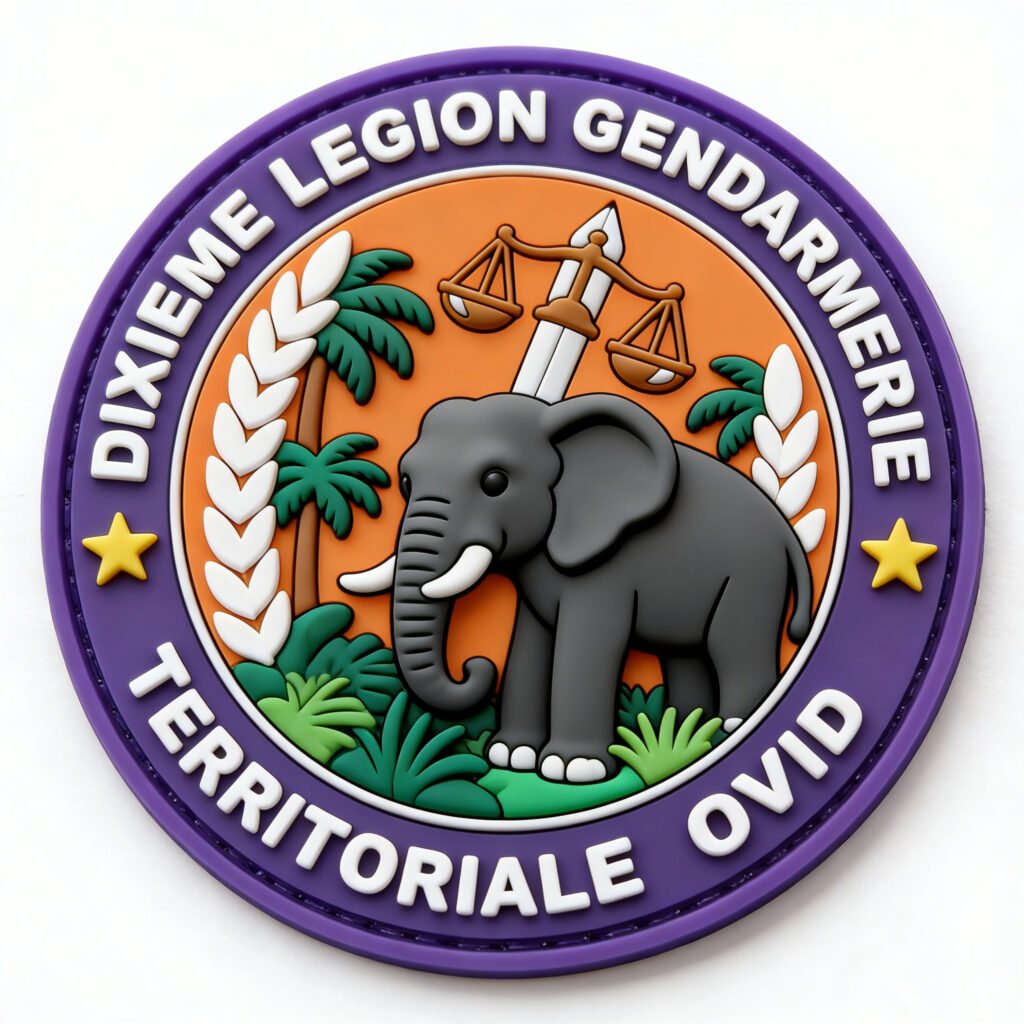
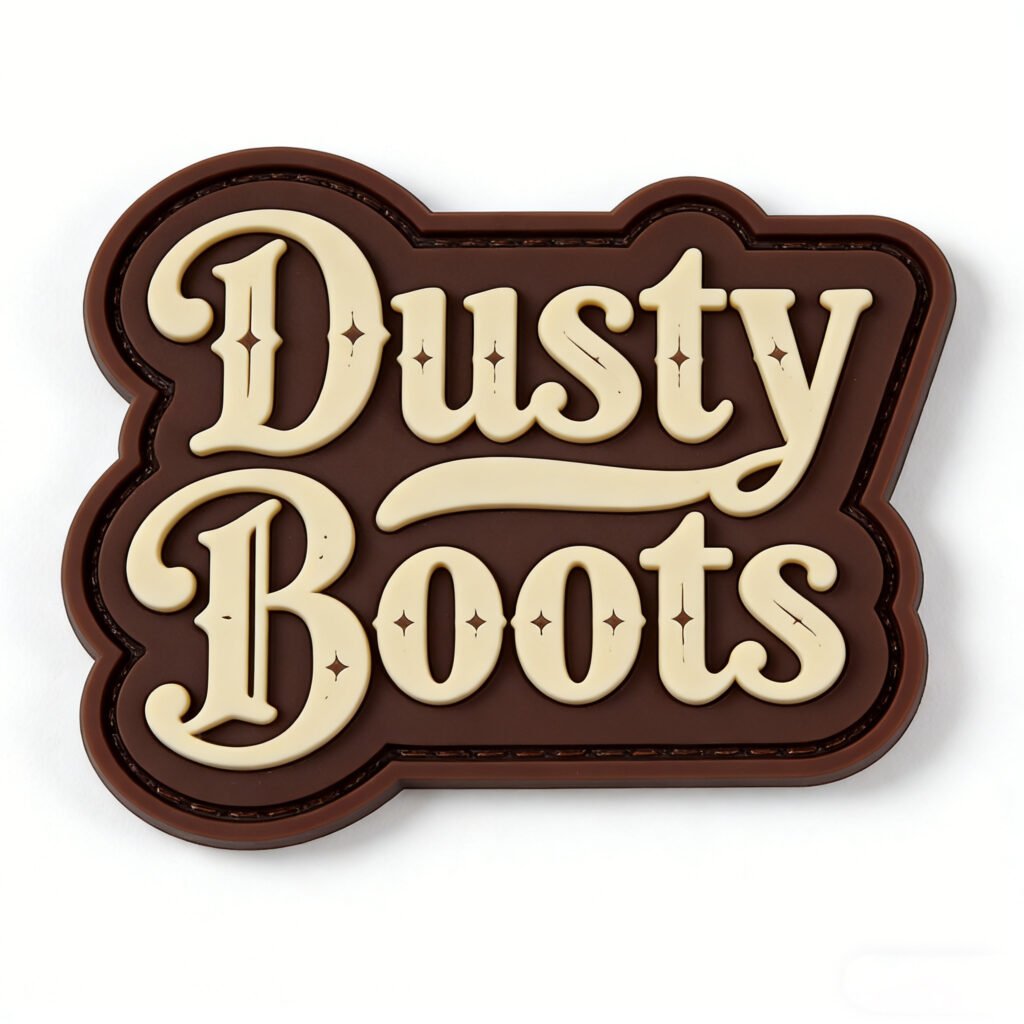
A PVC Velcro patch—often referred to as a rubberized patch or soft rubber badge—is a composite accessory consisting of a molded PVC emblem bonded to a standard Hook-and-Loop (Velcro) backing. Unlike woven or embroidered counterparts, PVC patches represent a fusion of rigid structure and flexible utility. The front-facing PVC is a dense, non-porous polymer that retains intricate details, while the rear hook system allows for rapid deployment and removal. This hybrid nature makes it the premier choice for gear that requires both decorative flair and functional ruggedness. It is the go-to component for tactical load-bearing equipment, high-end outdoor apparel, and professional uniforms where reliability under duress is mandatory.
II. Core Technical Advantages: Beyond Aesthetics
The migration from textile to polymer is driven by performance gaps that traditional methods cannot bridge. PVC patches offer a suite of technical advantages that address the shortcomings of embroidery:
1. Total Waterproofing and Hydrophobicity:
The molecular structure of PVC is non-porous and hydrophobic. Unlike fabric, which acts like a sponge, PVC repels water entirely. In field conditions—be it torrential rain, high humidity in Southeast Asian jungles, or sweat-soaked tactical vests—these patches will not absorb moisture. This eliminates the risks of mold growth, fabric rot, and adhesive failure (delamination) that plague cloth patches. For maritime operations or desert environments in the Middle East, this resistance to moisture and sand contamination is a decisive factor.
2. Abrasion Resistance and Structural Integrity:
PVC exhibits high tensile strength and elasticity. Where embroidery is prone to “snagging” and thread unraveling when caught on branches or equipment, PVC patches maintain their structural integrity. The color is integral to the material; it does not fade through surface scratching. Even after repeated scouring, brushing, or rough handling, the edges remain crisp and the surface unmarred. This makes them ideal for high-friction zones on backpacks, plate carriers, and headwear.
3. Three-Dimensional Tactile Realism:
One of the most significant visual upgrades offered by PVC is the ability to achieve high-relief, 3D molding. Unlike flat embroidery, PVC can be injection-molded to create deep recesses and high peaks. This allows for a level of detail and “pop” that is simply impossible with thread. Logos appear more aggressive, text is easier to read at a distance, and complex iconography gains a sculptural quality. This 3D effect enhances brand perception, making the patch look less like a label and more like a piece of precision equipment.
4. Low Maintenance and Cleanability:
Operational efficiency extends to maintenance. The smooth, non-porous surface of PVC does not trap dust, mud, or oils. Decontamination is as simple as a quick rinse under a tap or a wipe with a wet cloth. There is no need for delicate washing cycles or special detergents. For military units, outdoor guides, or industrial workers, this “clean-as-you-go” functionality ensures that identification remains visible and professional-looking without adding to the logistical burden.
III. Backing Mechanics: The Science of Adhesion
The utility of a PVC patch is rendered useless if the backing fails. The bond between the PVC mold and the Velcro hook is the most critical stress point in the product. There are two primary methods of attachment, each suited to different operational demands:
1. Stitched (Sewn) Backing – The Industry Standard:
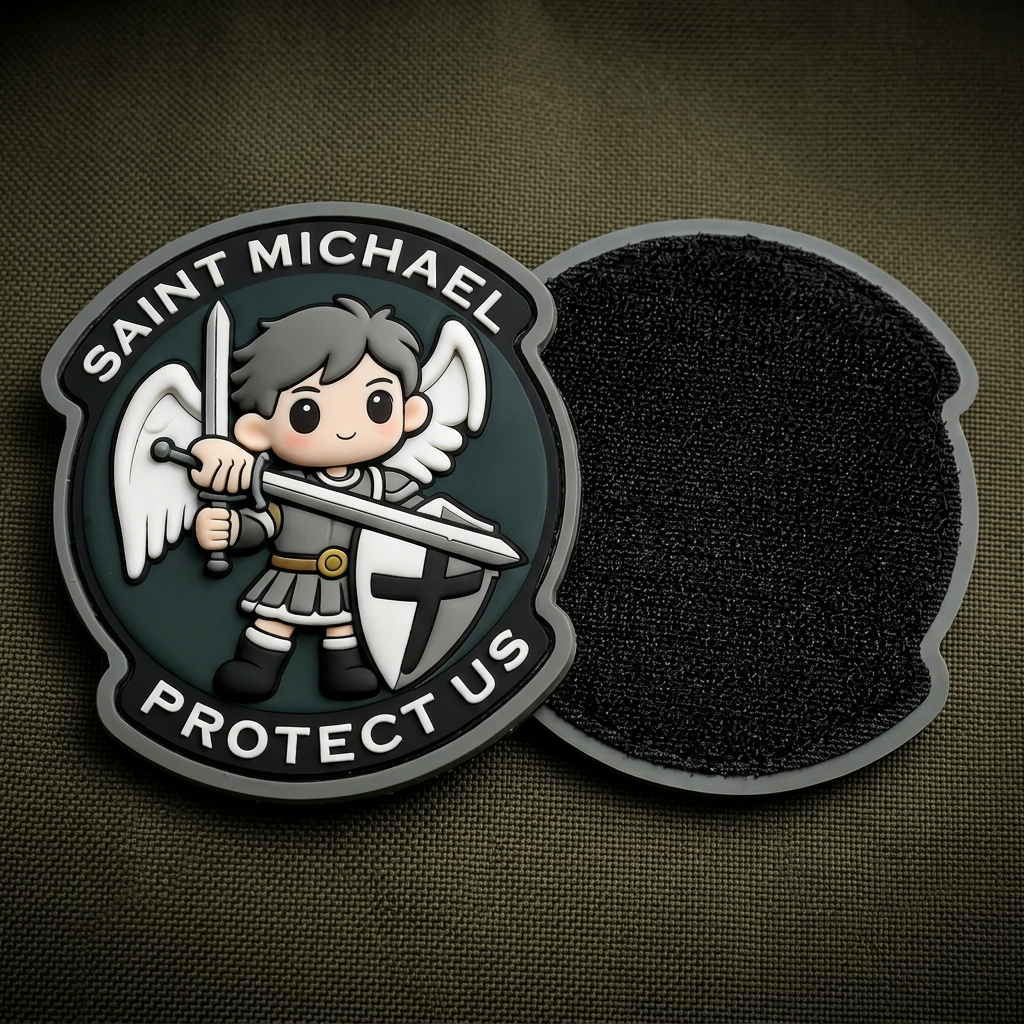
For tactical gear and high-wear applications, stitching is the gold standard. A high-grade industrial sewing machine attaches the hook Velcro directly to the PVC base using heavy-duty nylon thread. This method distributes stress evenly across the entire surface area of the patch. The result is a bond that can withstand extreme tensile forces, repeated shearing (side-to-side rubbing), and countless attachment/detachment cycles without failing. For military contracts or law enforcement uniforms, specifying a “full-perimeter lock-stitch” is recommended to prevent edge peeling.
2. Heat-Pressed (Thermal Bonding) – The Aesthetic Choice:
Using high temperatures and pressure, the Velcro hooks are fused directly onto the PVC substrate. This creates a seamless, sleek profile with no visible stitching lines. While aesthetically pleasing and slightly lighter in weight, thermal bonding generally offers lower shear strength compared to stitching. It is best reserved for low-abrasion environments, such as corporate polo shirts, hats, or casual jackets where the patch is not subjected to heavy loads or frequent removal.
Regardless of the method, the quality of the “hook” material itself is paramount. Inferior hooks lose their “grip” over time. Specifying high-grade nylon hooks ensures maximum “nap-matting” with the corresponding loop (fuzzy) surface, preventing accidental detachment during strenuous activity. This modularity allows users to swap patches instantly—changing a “Police” identifier to a “Fire” identifier on a multi-agency response vest, for example.
IV. Strategic Applications Across Industries
The versatility of PVC Velcro patches allows them to transcend niche markets:
• Tactical and Law Enforcement: Used for morale patches, unit insignias, flag representations, and blood type/ID markers on MOLLE systems and plate carriers. Their silent movement (no rustling fabric) and IR (Infrared) signature compatibility make them essential.
• Outdoor and Adventure Clubs: Mountaineering teams, airsoft groups, and motorcycle clubs utilize PVC patches for branding. Their resistance to UV rays prevents the sun-bleaching common in embroidered patches, ensuring the club logo remains vibrant on backpacks and outer shells.
• Industrial and Corporate Uniforms: Security firms, airlines, and construction crews benefit from the professional appearance of PVC. Unlike embroidery, which can look frayed after a few washes, PVC maintains a “new” look throughout the garment’s lifecycle, reinforcing brand consistency.
• Promotional and Merchandise: Brands targeting the youth market or “Gorpcore” fashion trends use PVC patches on caps and bags to add a tactile, high-value element to their products.
V. Customization Specifications and Procurement Insights
Navigating the customization process requires attention to specific technical parameters:
1. Design Dimensionality (2D vs. 3D):
• 2D Lay Flat: Ideal for text-heavy designs, simple logos, or numerical identifiers. The design is molded with a flat top surface, allowing for easy cleaning and a minimalist aesthetic. It is cost-effective for large-volume corporate orders.
• 3D Raised: Best for complex logos, mascots, or “Morale” patches. This involves varying levels of height within the same mold. It creates a premium, sculptural look that catches the light and stands out on a uniform. Note: extremely fine details (smaller than 1mm) may not translate well to 3D molding.
2. Minimum Order Quantities (MOQs) and Tooling:
PVC injection requires a metal mold (tooling). While there is a one-time mold fee, this investment grants access to low per-unit costs for subsequent bulk orders. Most factories offer flexible MOQs, accommodating small-batch test runs for startups (as low as 50-100 pcs) as well as mass production for large enterprises (10,000+ pcs). The mold remains the property of the client, allowing for repeat orders years later without re-incurring the setup fee.
3. Production Lead Times:
Typical lead times range from 10-15 business days after artwork approval and sample confirmation. Rush services are often available for time-sensitive projects like emergency response deployments or product launches, though they may incur a premium.
4. Contingency Planning:
It is a standard industry practice to order a buffer of 5-10% extra patches. These “spares” account for potential losses in the field, future promotions, or replacements for damaged gear. Given the longevity of PVC, these spares will remain viable for years.
Conclusion: The Evolution of Identification
The transition from embroidered cloth to PVC Velcro represents an evolution in materials engineering tailored for modern demands. By solving the inherent weaknesses of traditional patches—moisture vulnerability, abrasion failure, and aesthetic flatness—PVC has established itself as the superior choice for any application where gear is expected to perform in challenging environments. For the procurement specialist, the choice is clear: investing in PVC patches means investing in longevity, clarity, and professionalism. Whether adorning a soldier’s tactical vest in Eastern Europe, a ranger’s jacket in a Southeast Asian rainforest, or a technician’s uniform in the Arabian Gulf, a well-executed PVC patch is more than just a label; it is a durable testament to identity and function.