Welcome to hykeychain.com
How to Choose Custom Embroidered Patch Backing: Sew-On, Heat-Activated and Hook-and-Loop Options
Compare sew-on, heat-activated, hook-and-loop and self-adhesive embroidered patch backing options for uniforms, apparel, gear and promotional programs.

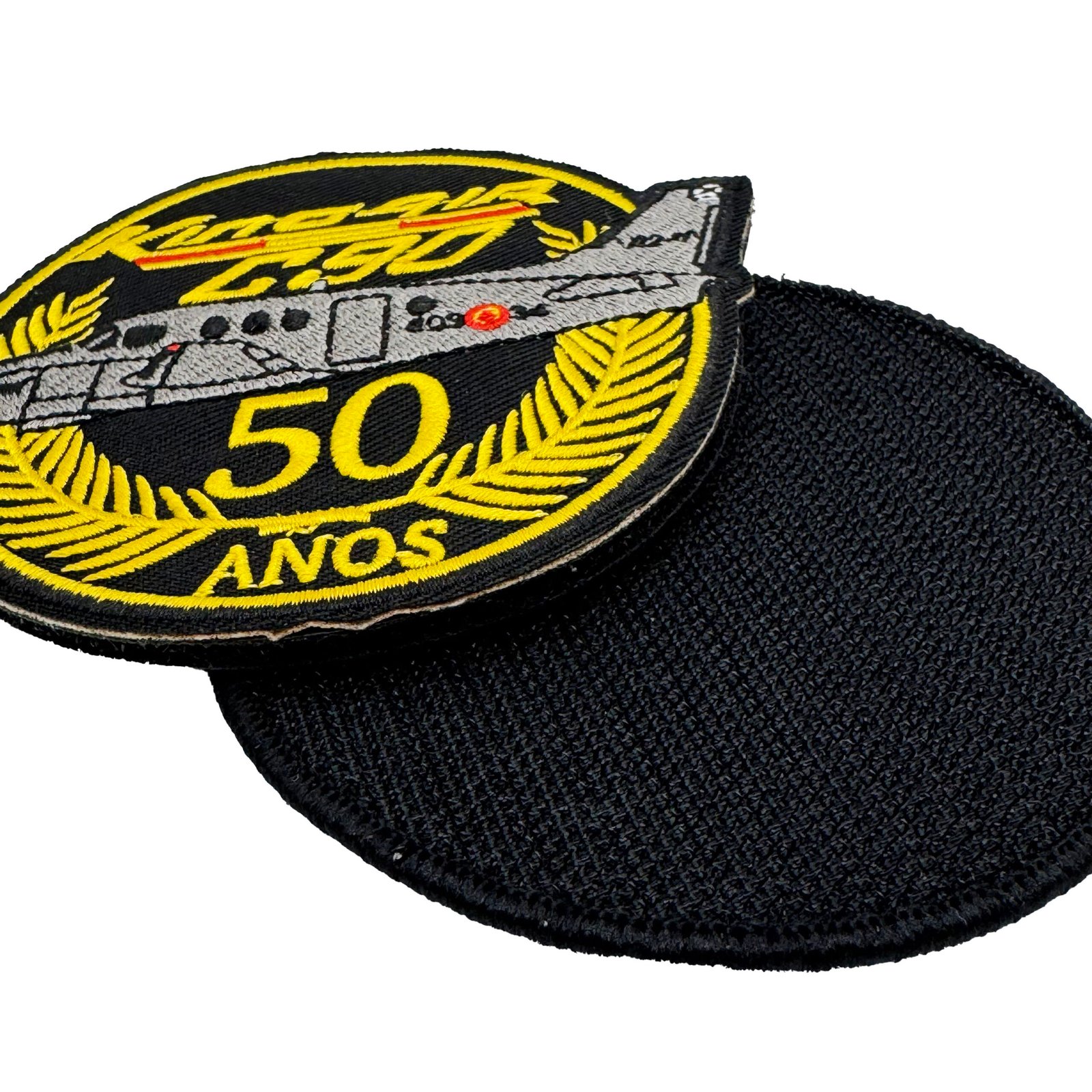
Quick answer: Choose sew-on backing when the patch will be permanently attached to uniforms, apparel or bags; heat-activated backing when the garment and care process are compatible with heat application; hook-and-loop backing when the patch must be removable; and self-adhesive backing for short-term display, events or packaging inserts. The right choice depends on the base material, use conditions, laundering, attachment equipment and whether the wearer needs to remove the patch.
For B2B buyers, backing is not a minor finishing detail. It changes how a custom embroidered patch is installed, how it sits on the product, how it is packed, and what must be checked before bulk production. A patch that looks excellent on an approval board can still be a poor fit if its backing does not match the garment, bag, cap or gear panel it will be applied to.
This guide compares the most common custom embroidered patch backing options and gives a practical way to specify them. It is written for brand teams, uniform suppliers, event buyers and distributors planning a production order—not for a single “best” answer that ignores the end use.
Start with the job the patch needs to do
Before selecting backing, define the host product and the duty cycle. Is the patch going onto a cotton twill cap, a polyester jacket, a work uniform, a backpack, a retail garment or a hook-and-loop field on tactical gear? Will it be washed repeatedly? Will staff remove it for different roles or locations? Is installation done by a sewing contractor, a heat press, or the end customer?
These questions affect more than attachment strength. A thick or stiff backing may change drape on lightweight apparel. A removable system needs both sides of the attachment considered. A heat-applied patch needs an actual trial on the intended fabric, because fabric coatings, seams, heat sensitivity and pressing equipment all matter.
In factory sample review, the useful decision is normally made with a simple brief: finished patch size, border style, backing type, intended substrate, application method, expected care, and whether a separate mating piece is required. That brief gives the production team something practical to test rather than leaving a vague instruction such as “make it strong.”
1. Sew-on backing: the flexible permanent option
Sew-on backing is a common choice for uniforms, jackets, workwear, bags and caps when the patch will remain in place. The patch is supplied for stitching around the edge or through defined sewing areas. It does not depend on a garment adhesive or a specific heat press setting, which makes it useful when the final installer controls their own sewing process.
When sew-on is a good fit
- Uniform programs and workwear with a long service life.
- Heavy fabrics, bags and caps where an edge stitch is visually acceptable.
- Orders installed by a garment factory, embroidery contractor or local tailor.
- Projects where the buyer wants to avoid heat exposure on coated or sensitive fabrics.
The trade-off is installation labor. A complex outline may require careful stitching around narrow points, and the buyer should decide whether the stitch line is meant to be visible. During pre-production review, ask to see the finished edge, border width and sample placement at the actual product size. This is especially important for small badge patches with detailed shapes.
2. Heat-activated backing: useful only with a verified application process
Heat-activated backing, often called iron-on backing, uses an adhesive layer intended to be activated with controlled heat and pressure. It can simplify installation for compatible garments, promotional apparel and some retail patch programs. The benefit is speed when the installer has a suitable press and a defined process.
It should not be selected on the assumption that every textile can be treated the same way. Base fabric composition, coatings, seams, garment construction and the equipment used by the installer can all affect the result. For a bulk order, request an application sample on the actual target substrate—or on a confirmed equivalent—and record the agreed application instructions for the team doing installation.
Questions to settle before approving heat-activated backing
- What fabric will receive the patch, and is it heat compatible?
- Will application take place on a flat area, or across seams, pockets or panels?
- Which press, temperature range, dwell time and pressure will the installer use?
- Will the finished item be washed, dry-cleaned or exposed to demanding work conditions?
- Should stitching be added as a secondary retention method for the intended use?
These are project questions, not a claim that one setting works universally. A documented trial prevents a common failure mode: a buyer approving a patch sample by itself and discovering later that the finished garment needs different preparation.
3. Hook-and-loop backing: built for removable identification
Hook-and-loop backing is the practical option when a patch must be removed, exchanged or repositioned. It is commonly used for role identifiers, outdoor gear, event kits, club systems and products that already include a compatible loop panel. Buyers sometimes use the brand term “Velcro,” but a clear production brief should state which side is supplied with the patch and whether the matching side is included separately.
For a patch with hook material on the back, confirm that the receiving item has compatible loop material and that the patch outline fits the available field. If the buyer needs both pieces supplied, clarify the dimensions and whether the loop piece will be stitched, bonded or otherwise installed by another party. A removable patch system is only complete when the mating surface is planned too.
Where hook-and-loop makes sense
- Multi-role uniforms or event staff identification.
- Backpacks, tactical-style gear and equipment organizers with loop fields.
- Membership kits, collector sets and product lines that change by season.
- Programs that require easy replacement without altering the base item.
When checking a sample, attach and remove it several times from the intended loop panel. Review the perimeter for clean cutting, confirm that corners do not lift unnecessarily, and check whether the patch sits flat. The result depends on the combination of the patch, its backing, the mating material and the installed surface.
4. Self-adhesive backing: practical for short-term placement
Self-adhesive backing gives a patch a peel-and-stick application for temporary uses. It can be appropriate for event handouts, product packaging, display boards, limited-time campaigns or inserts where the buyer does not expect the patch to become a permanent garment component.
Adhesive performance is sensitive to the receiving surface. Dust, fabric texture, coatings, moisture, temperature and handling all influence results. For that reason, it is best described honestly in the product brief: temporary application on a specified surface, not a replacement for sewn attachment on garments that will be repeatedly washed or heavily used.
Ask the factory to protect the adhesive with the appropriate release liner and agree on packing that keeps the patch flat and clean through shipping. Shipment inspection should include a check that liners are present, undamaged and consistently applied.
5. Other attachment choices: pins, magnets and combinations
Some patch projects are better treated as badges or accessories. Safety-pin fittings can suit short-term event identification. Magnetic fittings may be considered for certain non-garment uses where the buyer has reviewed the end-user and safety requirements. Combination approaches are also possible: for example, a heat-activated layer plus edge sewing for a specific uniform construction, or hook-and-loop plus a supplied matching loop panel.
These options require more careful product application planning. Do not choose a fastening based only on appearance. Confirm the attachment point, target users, product regulations where applicable, packaging and installation responsibility before adding it to a purchase order.
Custom embroidered patch backing comparison
| Backing option | Best use | What to confirm | Typical limitation |
|---|---|---|---|
| Sew-on | Permanent uniforms, bags, caps and apparel | Stitch path, border, installer and placement | Requires sewing time |
| Heat-activated | Compatible apparel with controlled installation | Fabric trial, press process and care conditions | Not suitable to assume across all fabrics |
| Hook-and-loop | Removable identifiers and gear patches | Which mating side is supplied and field size | Needs a compatible receiving surface |
| Self-adhesive | Temporary events, displays and packaging | Receiving surface, liner and packing | Not designed as a universal permanent garment method |
| Pin or specialty fitting | Badge-like or defined accessory uses | Use case, safety and attachment point | Requires application-specific review |
Specify the backing before the sample, not after it
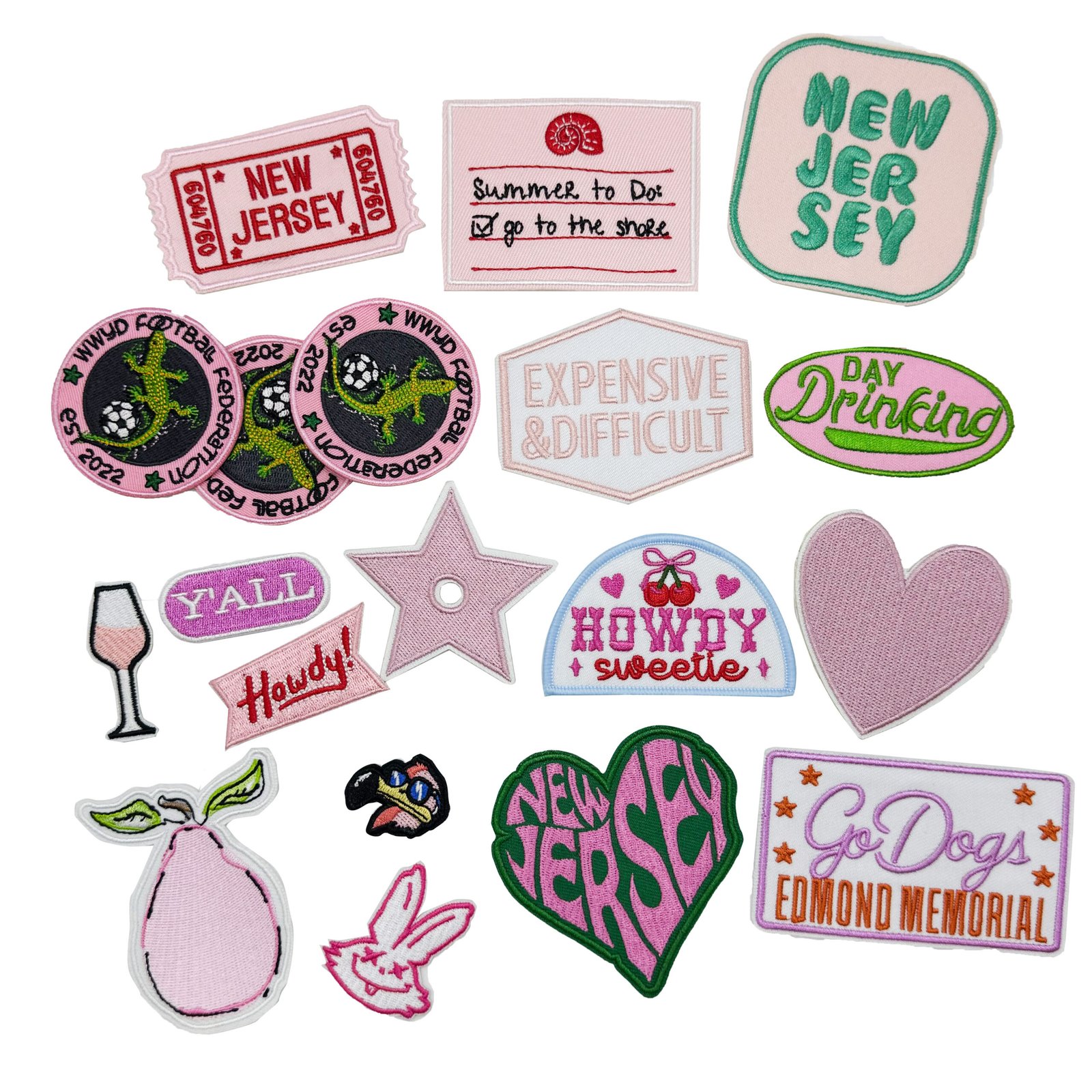
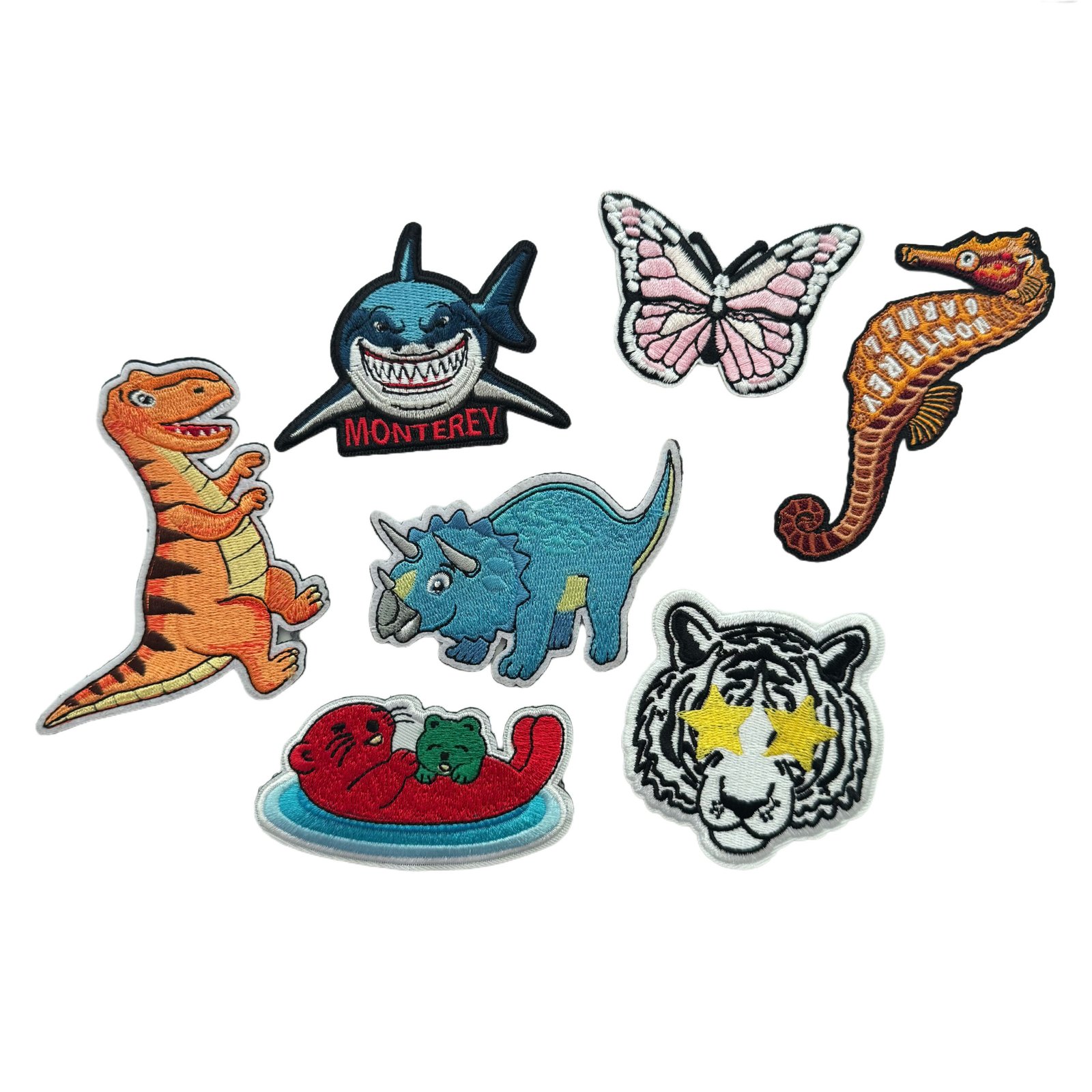
Backing choice should appear in the first artwork and quotation brief. A professional request for quotation does not need to be long, but it must make the attachment clear. Include the information below so the supplier can prepare the correct sample and packing plan.
- Patch design: artwork file, finished dimensions, number of colors and border preference.
- Backing: sew-on, heat-activated, hook-and-loop, self-adhesive or another defined option.
- Application: what the patch will be attached to and who will attach it.
- Use conditions: routine wear, promotional display, removable identification, washing or outdoor exposure where relevant.
- Quantity and packing: expected order quantity, individual bagging, liner protection or pairing requirements.
- Approval control: digital proof, physical sample, placement photo or pre-shipment inspection expectations.
A defined brief reduces changes after sampling. It also helps prevent an avoidable mismatch such as ordering hook backing without the matching loop side, or requesting heat activation for a fabric that has not been evaluated.
How to inspect an embroidered patch sample
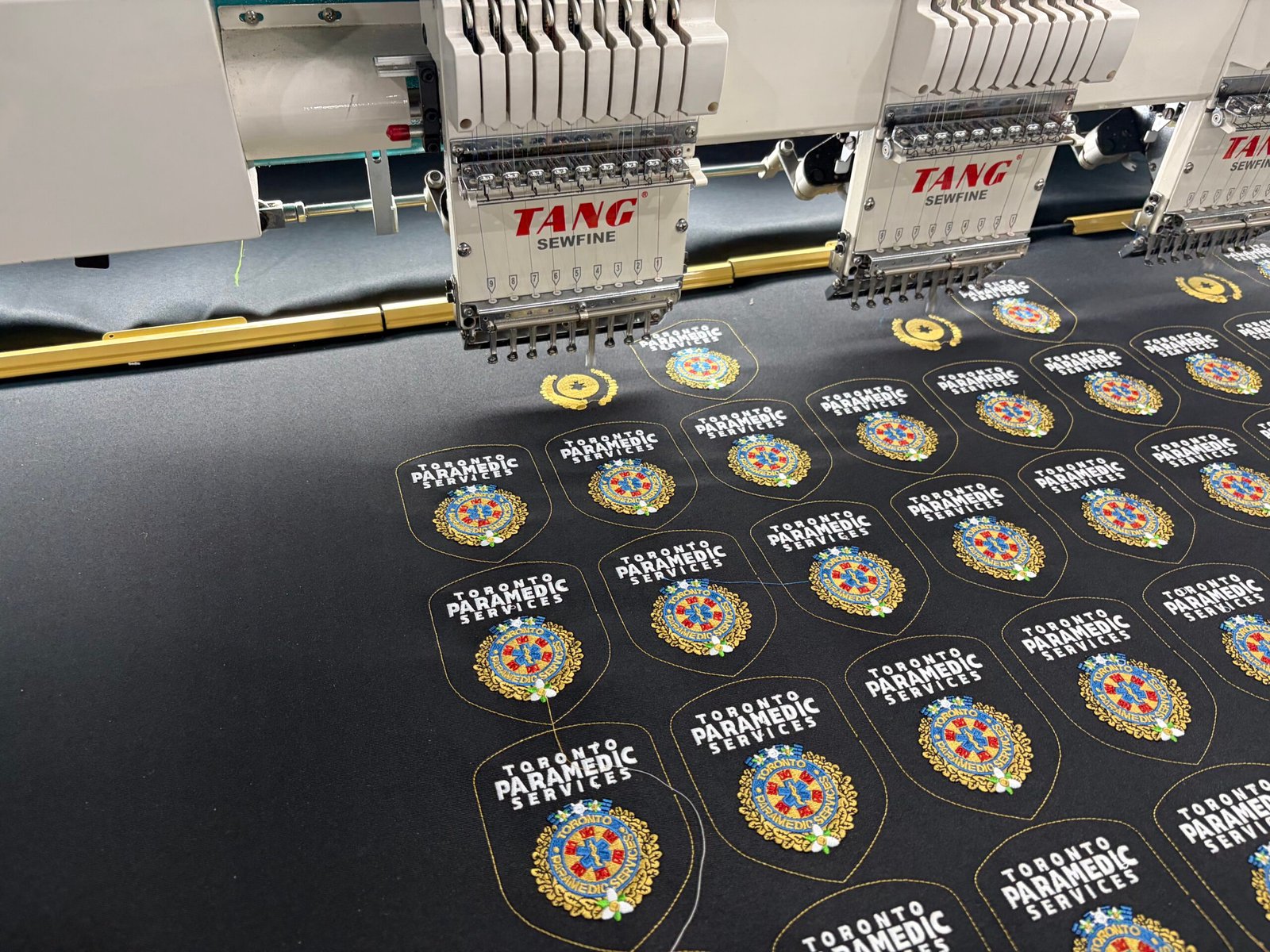
Artwork approval confirms that the logo, wording and colors are generally right. A physical sample should also answer whether the construction is right. Review the patch at the intended finished size and on the intended product whenever possible.
Sample inspection checklist
- Compare text, spelling, key colors and outline shape with the approved artwork.
- Check embroidery coverage, thread transitions, border consistency and cut edges.
- Confirm the supplied backing matches the purchase order and approved specification.
- Attach the sample to the real substrate using the planned method.
- Check placement, flatness and interaction with seams, pockets, zippers or curved surfaces.
- For removable patches, verify the mating surface and repeated attachment experience.
- For adhesive or heat-applied patches, keep a record of the actual trial conditions used by the installer.
For bulk orders, these checks can be repeated during production and again at shipment inspection. The goal is not to add bureaucracy; it is to compare the goods against the agreed sample and packing standard before dispatch.
FAQ: embroidered patch backing options
Which embroidered patch backing is best for uniforms?
For permanent uniform identification, sew-on backing is often the most straightforward starting point because the installer can stitch the patch to the actual garment. Heat-activated backing can also be considered when the fabric and application process have been tested. The final decision should follow the uniform material, care process and installation capability.
Can hook-and-loop patches be used on ordinary clothing?
Only if the garment has, or will receive, a compatible loop panel. The patch backing alone is not enough. The placement, dimensions and method for attaching the mating panel need to be specified.
Is self-adhesive backing suitable for washed garments?
It is better to treat self-adhesive backing as a temporary solution unless a project-specific test and product specification say otherwise. For a repeatedly washed garment, a sewn attachment or a tested application system is a more responsible starting point.
Do I need to order the matching loop piece with a hook-backed patch?
Order it when the receiving item does not already have a compatible loop field. State whether you need the matching piece, its dimensions and how it will be installed.
Should I choose backing before or after approving artwork?
Choose it before the physical sample is made. Backing affects the patch construction, the application trial and, in some cases, packing. It should be included in the approval brief alongside size and artwork.
What information should I send for a quote?
Send the artwork, finished size, quantity, intended use, backing choice, host product material, delivery country and any special packing requirement. If you are still deciding, describe the application and expected care so the supplier can recommend a suitable option for sampling.
Conclusion: choose the attachment system, then prove it in the sample
The best custom embroidered patch backing is the one that matches the real product application. Sew-on backing suits many permanent textile applications; heat-activated backing depends on a controlled, compatible process; hook-and-loop supports removability; and self-adhesive backing has a role in temporary use. The strongest purchasing decision is made when the buyer specifies the substrate and use conditions, then reviews the attachment on a physical sample before bulk production.
Need a sample-ready embroidered patch brief? Contact Heyang Craft with your artwork, patch size, target product, quantity and preferred backing. We can help you prepare a clear quotation and sample checklist for your order.