Welcome to hykeychain.com
Custom Promotional Product Packaging: A B2B Guide to Retail, Event and Export Orders
Choose packaging for custom promotional products with a practical B2B guide to retail cards, event packs, mixed assortments, carton marks and shipment checks.

Custom Promotional Product Packaging: A B2B Guide to Retail, Event and Export Orders
Packaging is not an afterthought in a custom promotional-product order. It affects how a keychain, patch, luggage tag, medal or other branded item is protected, presented, counted, inspected and received. A package that is right for a trade-show handout may be wrong for retail display; a carton plan that works for domestic delivery may need more detail for an export shipment.
Quick answer: choose the packaging from the distribution route backward. Start with the recipient and sales channel, then confirm individual protection, display needs, labels, inner-pack quantity, outer-carton marks and shipment documents. Put the agreed format in the quotation and sample approval record before bulk production begins.
Why packaging belongs in the original product brief
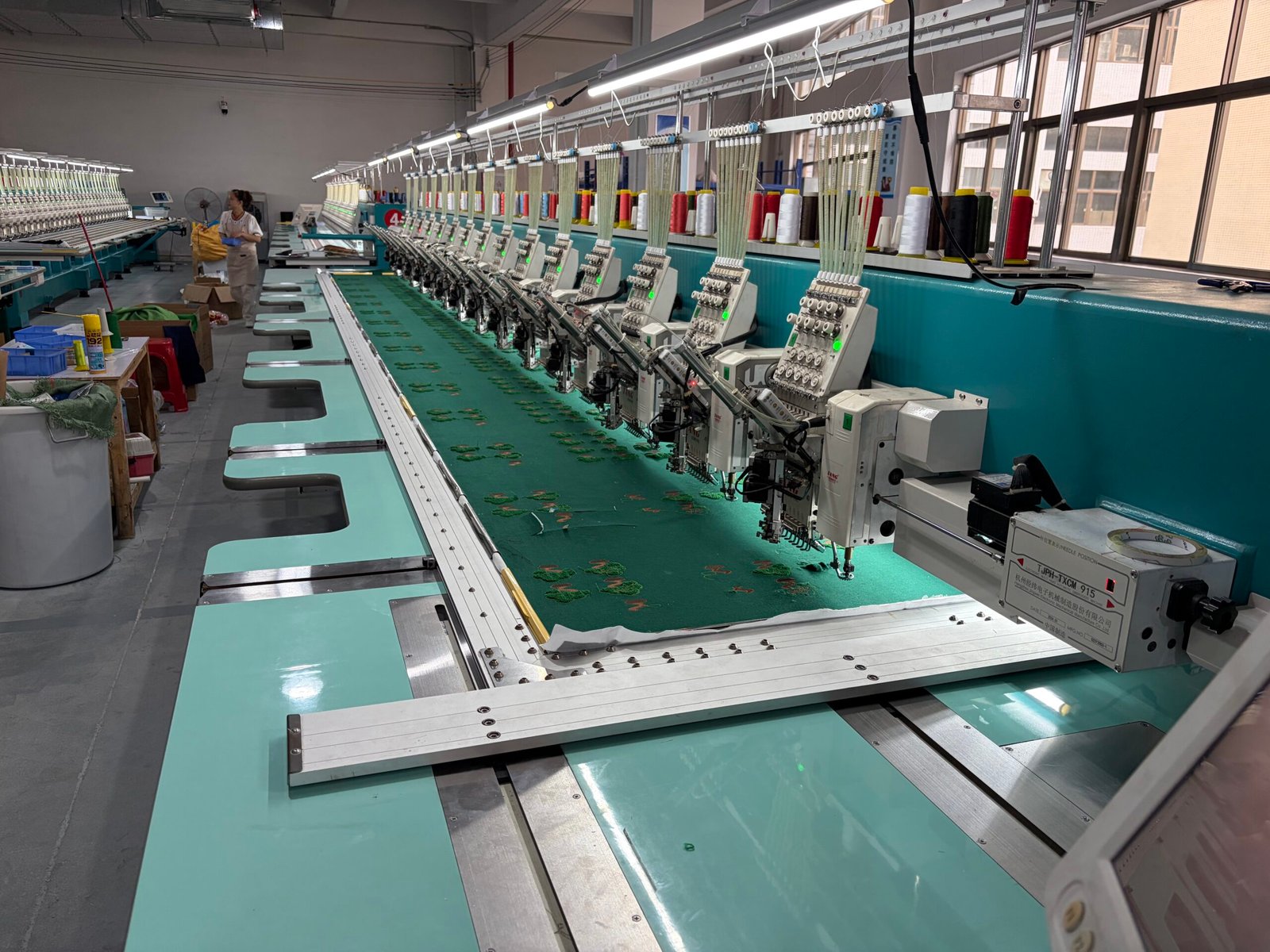
Buyers often finalize the product artwork and only later ask about a bag, backing card or gift box. That can create avoidable changes. Packaging may affect the product’s attachment, the display orientation, mixed assortment counts, packing labor, carton dimensions and delivery schedule. When packaging is defined early, the supplier can evaluate the product and pack as one practical system.
For B2B procurement, packaging has four jobs. It protects the product from scratching, deformation, moisture or hardware entanglement. It presents the product appropriately for the recipient. It controls quantity and identification through labels and packing records. It supports handling during storage and shipment. The correct level is not always the most elaborate one; it is the one that fits the intended route and agreed requirements.
1. Start with the channel and the recipient
Ask where the item will go after it leaves the factory. The answer usually narrows the packaging choice quickly.
- Event giveaway: fast distribution and simple individual protection are often the priority. A clear bag or practical bulk pack may be sufficient when the item is handed out on site.
- Retail display: the buyer may need a backing card, header card, hang hole, barcode area, product information or a display-ready orientation.
- E-commerce fulfilment: the item may need individual identification, protection during parcel handling and a format that works with the buyer’s own mailer or fulfilment process.
- Corporate or recognition gift: presentation, an insert, a card or a premium box may matter more than speed of distribution.
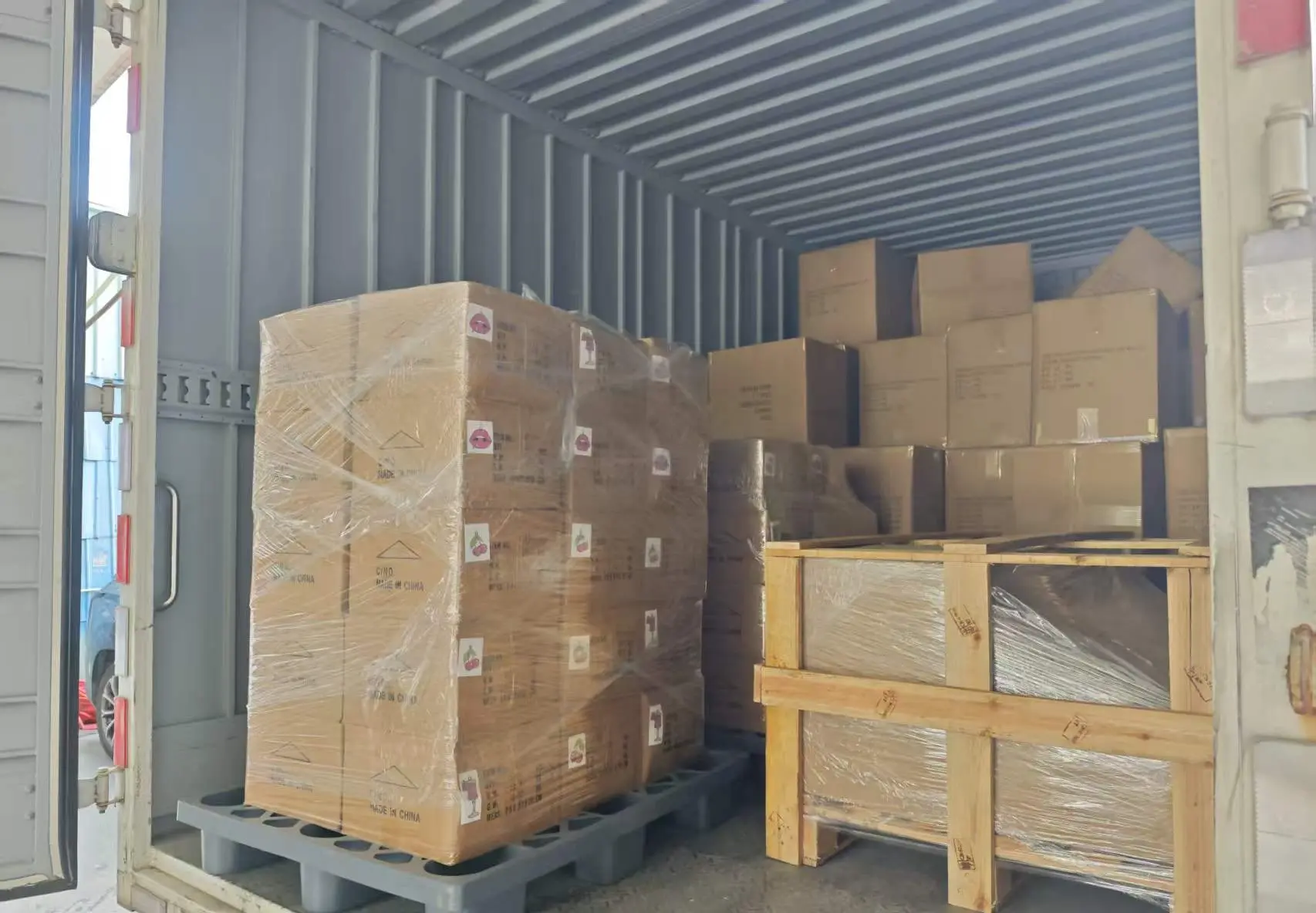
- Export bulk order: inner packs, carton marks, carton count and packing documentation become especially important for receiving and onward distribution.
Do not assume that a “retail pack” has one fixed meaning. A retail buyer may need only a header card and barcode, while another needs a display card, sealed bag, insert and specific warning or regulatory text. Request the buyer’s packaging specification if one exists.
2. Choose the individual-pack level
The simplest option is bulk packing, where items are grouped in a larger bag or inner carton. This can be suitable for controlled event distribution or for a buyer that will complete its own packing after receipt. However, products with loose rings, chains, metal hardware or printed surfaces may need separation to avoid tangling or visible friction during transit.
An individual clear bag is a practical middle ground. It helps keep each item clean and separated while leaving the product visible. A backing card or header card adds a presentation surface and can carry the logo, product name, barcode, care information, campaign message or peg-hole position. The factory needs the final card artwork, finished card size, paper or board preference, print sides, finishing and hole placement before it can prepare a complete sample.
Boxes, pouches and inserts are usually selected when the item has higher perceived value, must arrive as a gift, or needs additional protection. These formats should be tested with the real product and hardware. A box that fits the PVC body may not fit the ring, chain or hanging loop neatly; a pouch may protect the product but offer little retail information. Treat the product and package as one sample set.
3. Make a retail backing card production-ready
A backing card is not only a graphic design. It is a physical component that needs a clear size, hole position, attachment method and packing route. The card should support the product without covering the key artwork or allowing it to swing excessively. If the product has a chain or ring, show exactly how it will attach to the card and whether it should face front or back.
Send editable card artwork, a print-ready PDF and the relevant brand guidance. Confirm whether the card is single- or double-sided, whether the design requires a coated or uncoated surface, and whether barcodes, batch codes, product numbers or country-of-origin information must appear. Leave a defined area for any information that will be applied later rather than placing it over critical artwork.
Before approving a card sample, check spelling, scan-readability where a barcode is required, colors, hanging orientation, fold or crease positions, product attachment and the final packed appearance. A graphic that looks correct as a flat proof can still fail if the hole is too close to the edge or the attachment hides the message.
4. Define mixed assortments and inner-pack quantities
Mixed designs are common for promotional collections: several colors, characters, logos or sizes may ship together. A supplier needs an unambiguous assortment plan. State how many units of each design belong in one inner pack and one outer carton, whether the mix must be equal, and whether each design needs a separate label or divider.
For example, an order may contain four artwork versions but not four equal quantities. The purchase order, approved packing list and carton marks should all reflect the intended breakdown. Avoid instructions such as “mixed randomly” unless the buyer genuinely accepts any mix. If a warehouse must receive products by SKU, random mixed cartons can create extra sorting cost and inventory errors.
At final inspection, count both the total quantity and the assortment. A shipment can have the correct total number of pieces but still be commercially incorrect if one design is short and another is over-packed.
5. Specify outer-carton marks and shipment data
For export or warehouse receiving, outer-carton information is a control tool. Agree whether cartons need a purchase-order number, item code, product name, color or design, carton sequence, gross and net weight, carton dimensions, destination mark, handling symbol or buyer-provided label. Use the buyer’s preferred format where one exists.
Do not invent regulatory statements or shipping marks. Requirements can vary by destination, sales channel and product category. The buyer should provide any mandated wording, barcode standard, carton label template or compliance instruction. The factory can then confirm where it will be placed and how it will be checked before dispatch.
Also confirm whether the buyer needs a packing list by carton, by SKU or by inner-pack quantity. This is particularly useful when a shipment will be received by a third-party warehouse rather than by the buyer’s own team.
6. Build packaging checks into sample approval and inspection
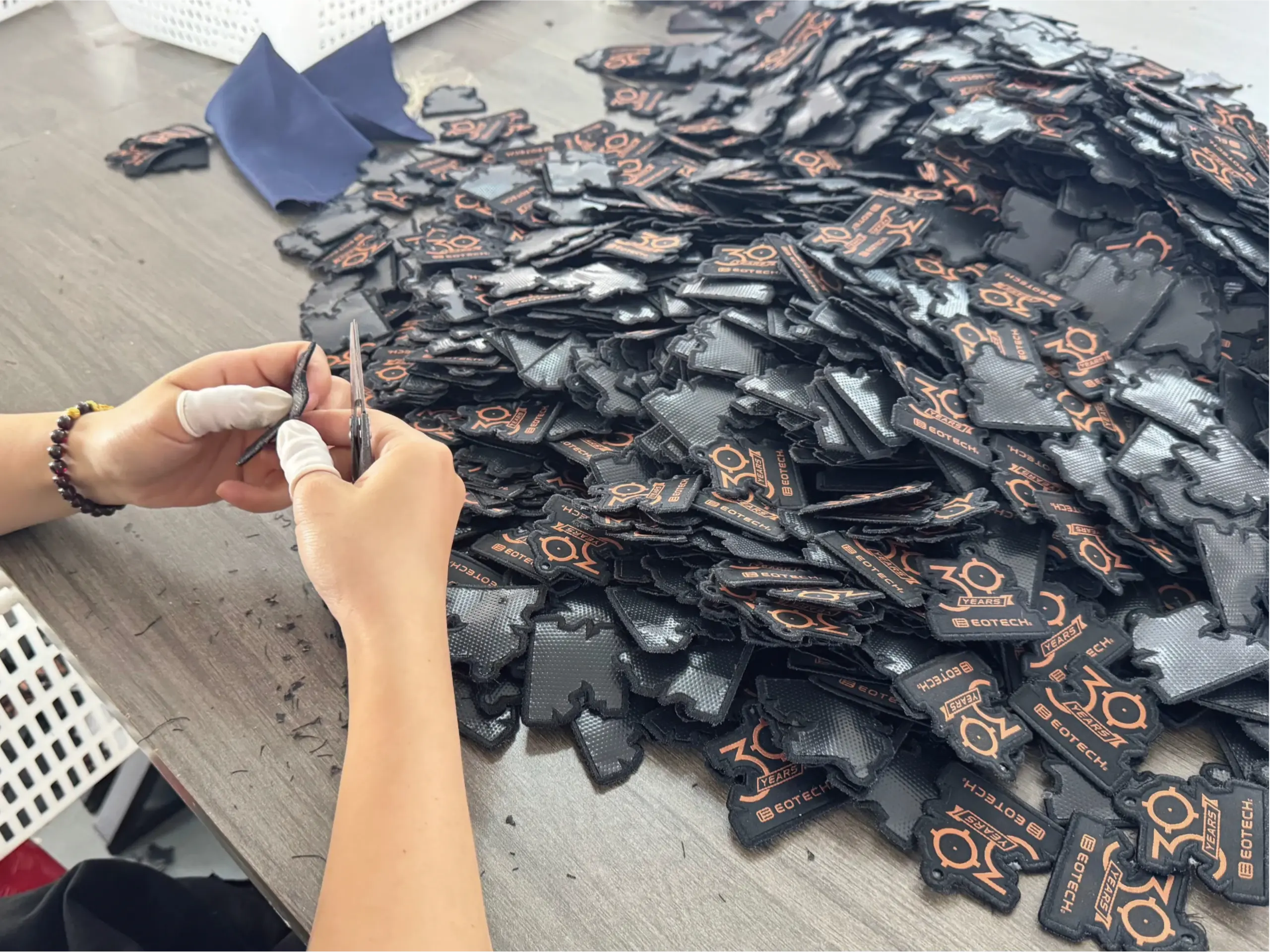
A product sample and a packaging sample should be reviewed together whenever packaging is part of the order. During pre-production review, check that the product fits, the card or insert is correct, all printed information is accurate and the packaging can be assembled consistently. Before shipment, inspect a representative number of finished units and cartons against the approved requirements.
Useful checks include:
- Correct product, artwork version, color and attachment inside the agreed pack.
- Clean individual bags, cards, boxes or inserts without visible damage or incorrect print.
- Correct label content and readable barcode where applicable.
- Correct inner-pack and carton quantity, including each design in a mixed order.
- Carton marks that match the purchase order and packing list.
- Cartons sealed, protected and suitable for the agreed shipment method.
For a broader product and shipment inspection framework, see our custom promotional-product sourcing and quality-control checklist.
7. Plan packaging timing with the production schedule
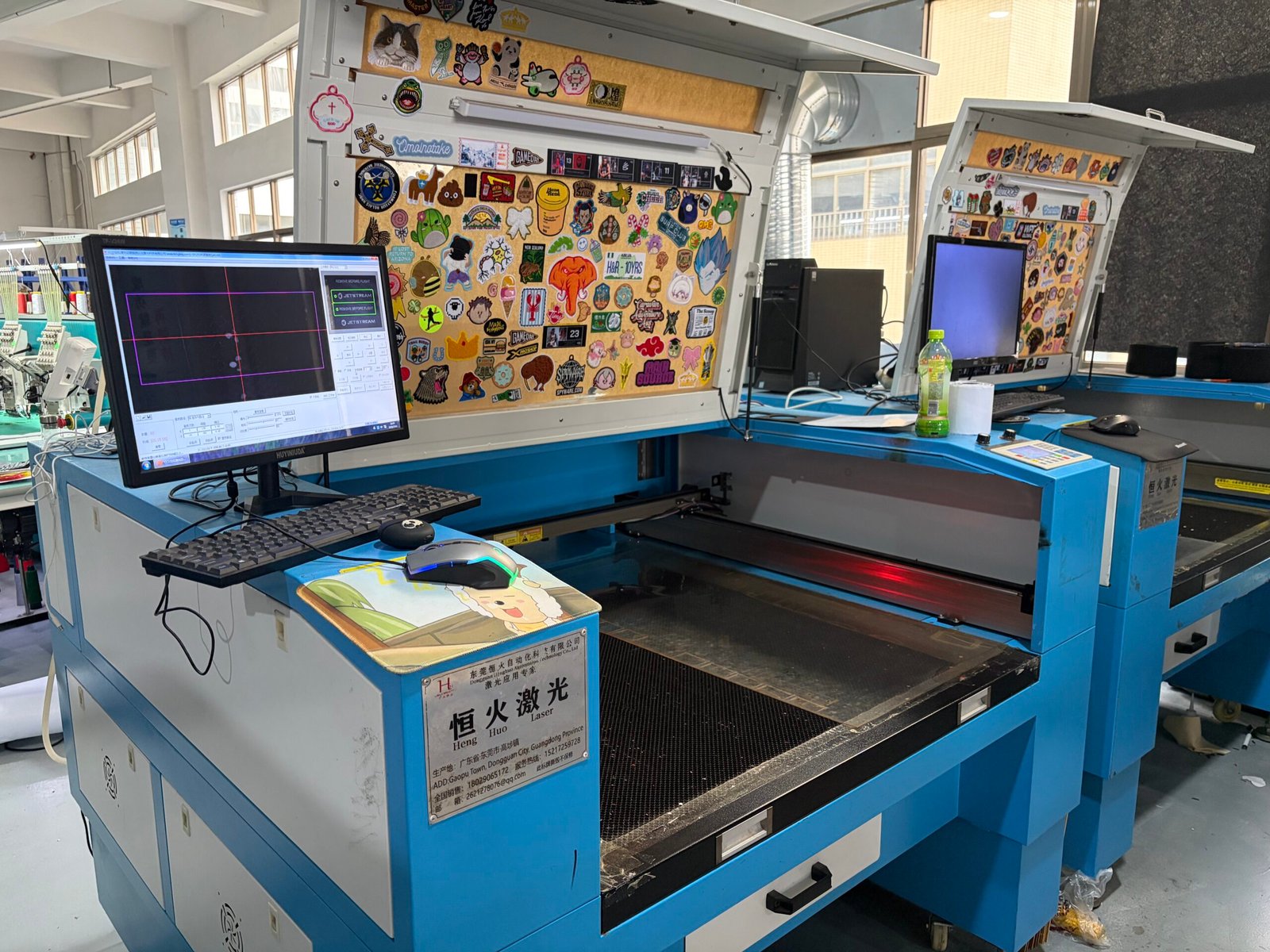
Packaging artwork, printed cards, custom boxes and special labels can have their own approval and production steps. They should be included in the schedule, not added after the product is complete. A late card revision can hold an otherwise finished order; an unapproved barcode format can require a reprint; a missing packing instruction can delay the final count and shipment release.
Share the target delivery date, final ship-to country, intended shipping method and any required receiving date early. Then confirm the sequence: product drawing, packaging artwork, packaging sample if needed, product sample, bulk production, packing, inspection and shipment preparation. The process is explained in more detail in our guide to MOQ, samples and lead time for custom promotional products.
Where the product and packaging are made by different specialist suppliers, assign one person to coordinate the final fit and count. The party responsible for packing needs the approved product dimensions, attachment plan, packing standard and label data before work begins.
Ask for a Packaging Recommendation →
Packaging brief checklist for buyers
| Brief item | What to confirm | Purpose |
|---|---|---|
| Distribution route | Event, retail, e-commerce, gift set, warehouse or export order. | Sets the appropriate pack level. |
| Individual packaging | Bulk, bag, backing card, header card, pouch, box or insert. | Defines protection and presentation. |
| Product attachment | Ring, chain, loop or other attachment position on the pack. | Ensures the item fits and displays correctly. |
| Printed information | Artwork, SKU, barcode, labels, country or buyer-required copy. | Supports retail and receiving requirements. |
| Assortment plan | Quantity by design per inner pack and carton. | Prevents SKU and count errors. |
| Outer-carton marks | PO, carton number, destination, item code, weights and dimensions. | Supports inspection and warehouse receiving. |
How factories and buyers can avoid common packaging errors
The most common error is treating packaging as a verbal instruction rather than an approved specification. “Pack individually” does not state whether the item needs a bag, card, label, barcode, protective film or a particular orientation. “Retail ready” does not state the card size, printing, hole position or carton breakdown. Replace these broad phrases with a visual sample, written dimensions and a packing list.
Another risk is approving a product photo but not the packed product. If the packaging is part of what the recipient sees or receives, the sample should show the final product in its final pack. This is the time to catch a card that bends, a hole that is misplaced, a chain that hides the logo, a box that is too loose or a label that uses the wrong SKU.
Finally, avoid changing carton instructions after production is complete. Confirm the outer-carton mark and quantity plan before final packing. This makes the factory’s shipment inspection more reliable and gives the buyer clearer receiving information.
Use a packaging test plan for higher-risk orders
Not every promotional order needs the same level of packaging validation. A simple event giveaway may only require a visual check of the final bag and count. A retail program, a premium gift set or an export order with multiple SKUs benefits from a documented packaging test plan. The purpose is not to add paperwork for its own sake; it is to make the acceptance points visible before the products are packed in volume.
Start with the risks that matter to the buyer. For a keychain with metal hardware, check that pieces do not scratch or tangle in the agreed bag or card format. For embroidered patches, check that the backing, border and folded pack remain clean and flat. For a mixed collection, check that each label and carton quantity agrees with the approved assortment. For a warehouse program, use the actual label format and scan it in the buyer’s normal receiving flow where possible.
During a sample or pre-shipment review, retain representative photos of the packed item, inner pack, outer-carton mark and pallet or loading arrangement where relevant. These photos do not replace an inspection, but they give the buyer and factory a shared reference if a question arises after dispatch. Match them to the approved packing list and date the version of any card or carton artwork.
It is also useful to identify who has authority to approve packaging changes. A marketing team may own the card artwork, a purchasing team may own the pack count, and a logistics team may own carton marks and delivery documents. Consolidating their final approval avoids a last-minute conflict between presentation requirements and warehouse receiving needs.
FAQ
What is the most practical packaging for custom promotional keychains?
It depends on the distribution route. An event handout may use simple protection, while retail often needs a backing card or header card and an export order may need defined inner packs and carton marks.
Do I need a packaging sample?
It is recommended when the packaging carries branding, product information, a barcode, a special attachment or a premium presentation requirement. Review it with the actual product inside.
What should be printed on a retail backing card?
Use the buyer’s required artwork and product information. This may include branding, SKU, barcode, product name, care or safety information and origin details, depending on the sales channel and destination.
How should mixed designs be packed?
Specify the quantity of each design in every inner pack and carton. The total order quantity alone is not enough for a warehouse or retail receiving team.
What are carton marks?
They are the agreed identifiers printed or labeled on the outer carton, such as purchase-order number, item code, carton sequence, destination, quantity, weight or dimensions.
When should packaging be finalized?
Finalize it before bulk production and include it in the sample approval and production schedule. Printed packaging and labels can require their own artwork review and lead time.
Conclusion: choose packaging for the real distribution route
Effective custom promotional-product packaging balances protection, presentation and control. Start with the intended recipient and channel, then make the individual pack, printed information, assortment plan and carton marks specific enough to inspect. A clear brief helps the factory prepare the correct sample, pack consistently and release the shipment with fewer avoidable questions.
Heyang Craft can help buyers match packaging to custom keychains, patches and other promotional products. Send your product brief, target quantity, distribution route and any label or artwork files you already have; we can identify the practical packaging points to confirm before sampling.